On Pentecost, Thousands Want to Be Baptized at Once. The Real Question Is What Happens the Day After.
A synchronized global baptism could be a beautiful sign of unity. But the church must ask whether it is ready to form the people it welcomes into the water.
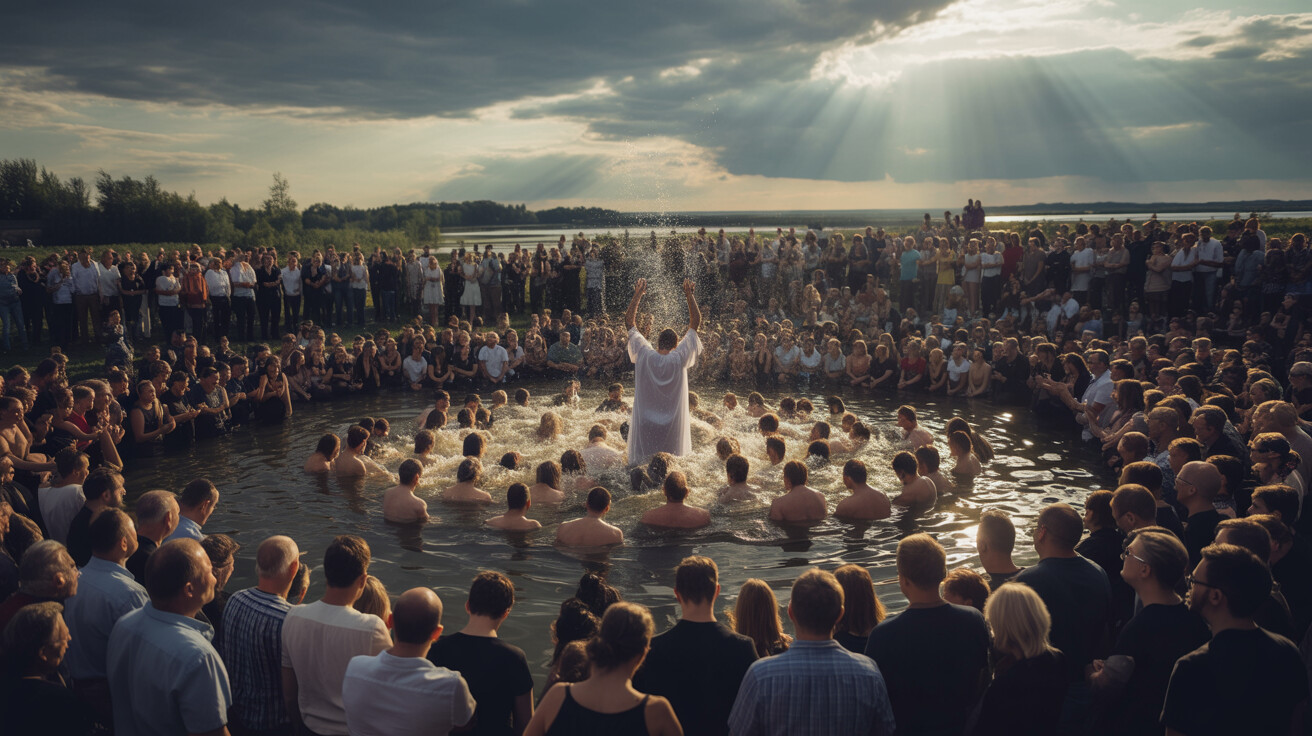
When Religion News Service reported on May 18 that churches across dozens of countries are preparing for the world’s largest synchronized baptism on Pentecost, the headline naturally invited amazement.
And yet the most important question is not whether the event will be large. It is whether it will be deep.
Baptism is not a content moment, not a platform event, and not a spiritual trend graphic. It is one of the church’s clearest public signs that a person is passing through death into life.
But if modern Christianity is going to speak honestly, it has to say more than “look how many showed up.”
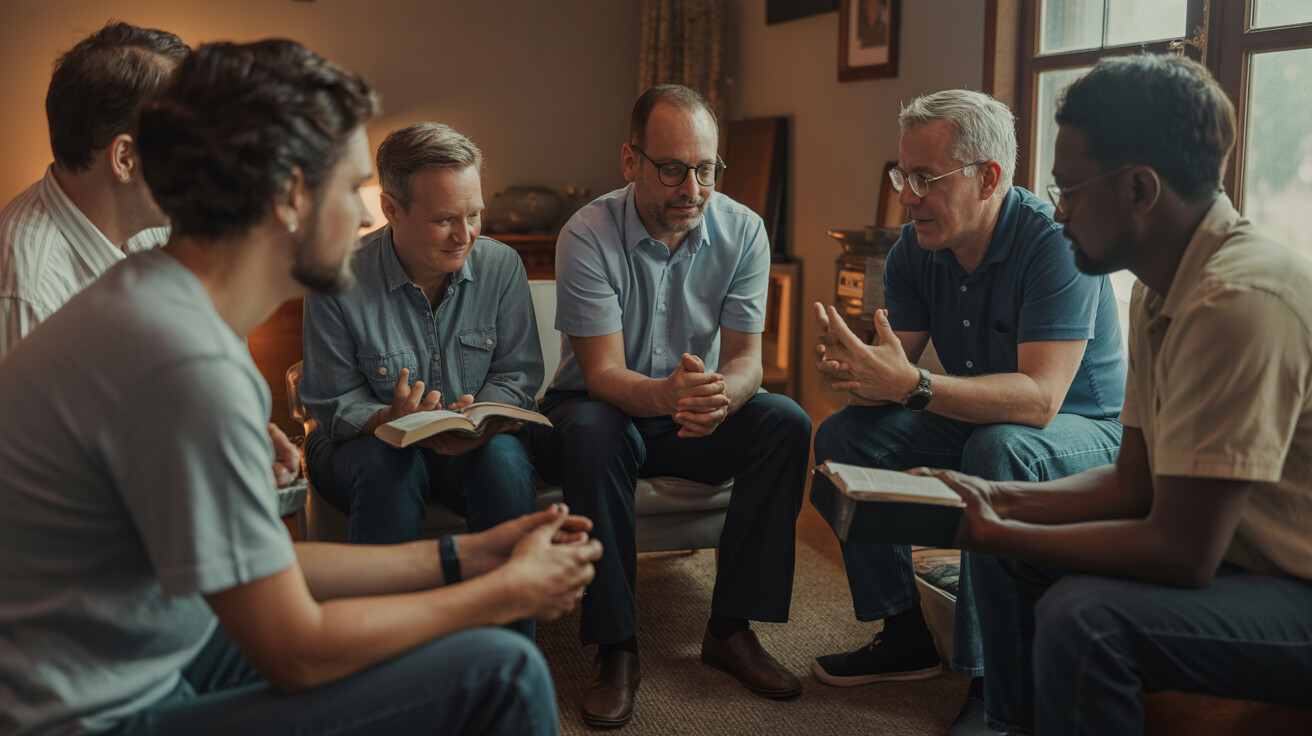
The day after baptism, people still need a church. They still need to be taught to pray. They still need Christian friendships, pastoral care, correction, meals, rhythms, and durable habits.
Because the real miracle is never only that someone enters the water. It is that they learn to walk with Christ after they come out.
Sponsored


3 Takeaways
- Large public baptisms are meaningful, but they are not self-interpreting. Discipleship after the event matters more.
- Baptism is a public sign of belonging, not merely a revival metric.
- The health of the church is measured not only by response, but by what kind of life people are welcomed into afterward.
Bottom line: A synchronized global baptism on Pentecost could be a beautiful sign of Christian unity and spiritual openness. But the most important question is not how many people go into the water. It is whether the church is ready to form them when they come out.
Need a steadier next step for real life? Get your personalized daily coaching drop at ZUL Daily Verse — a Bible verse, a modern-day translation, and 3 practical actions for today.
Try ZUL Daily Verse