Modern Christian culture commentary for a generation that wants depth, style, and real conversation.
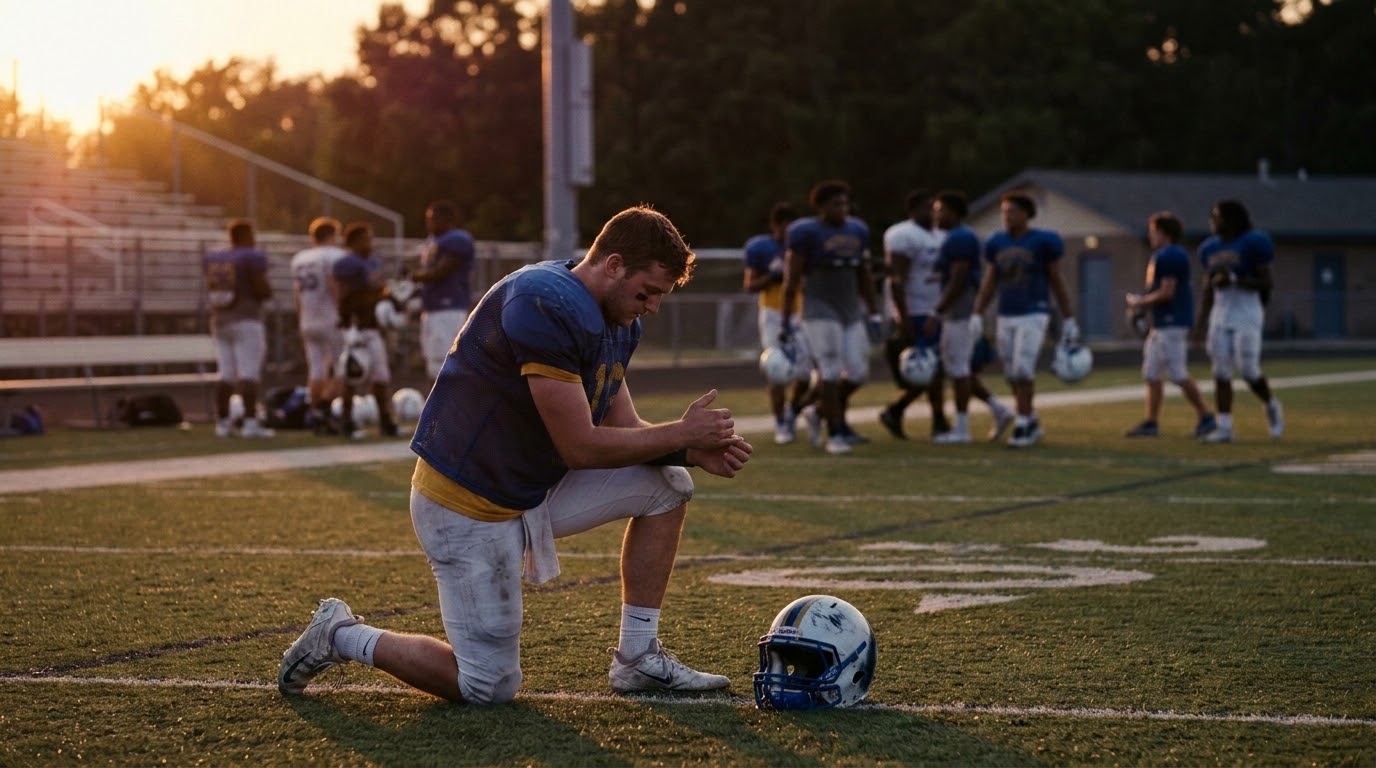
Sports Still Gives Christianity One of Its Few Public Languages for Destiny Without Irony.
Public Gratitude Is Becoming One of the Riskiest Things a Celebrity Can Say Out Loud.
Pop Culture Is Finally Starting to Admit That Screens Are Forming Souls, Not Just Habits.
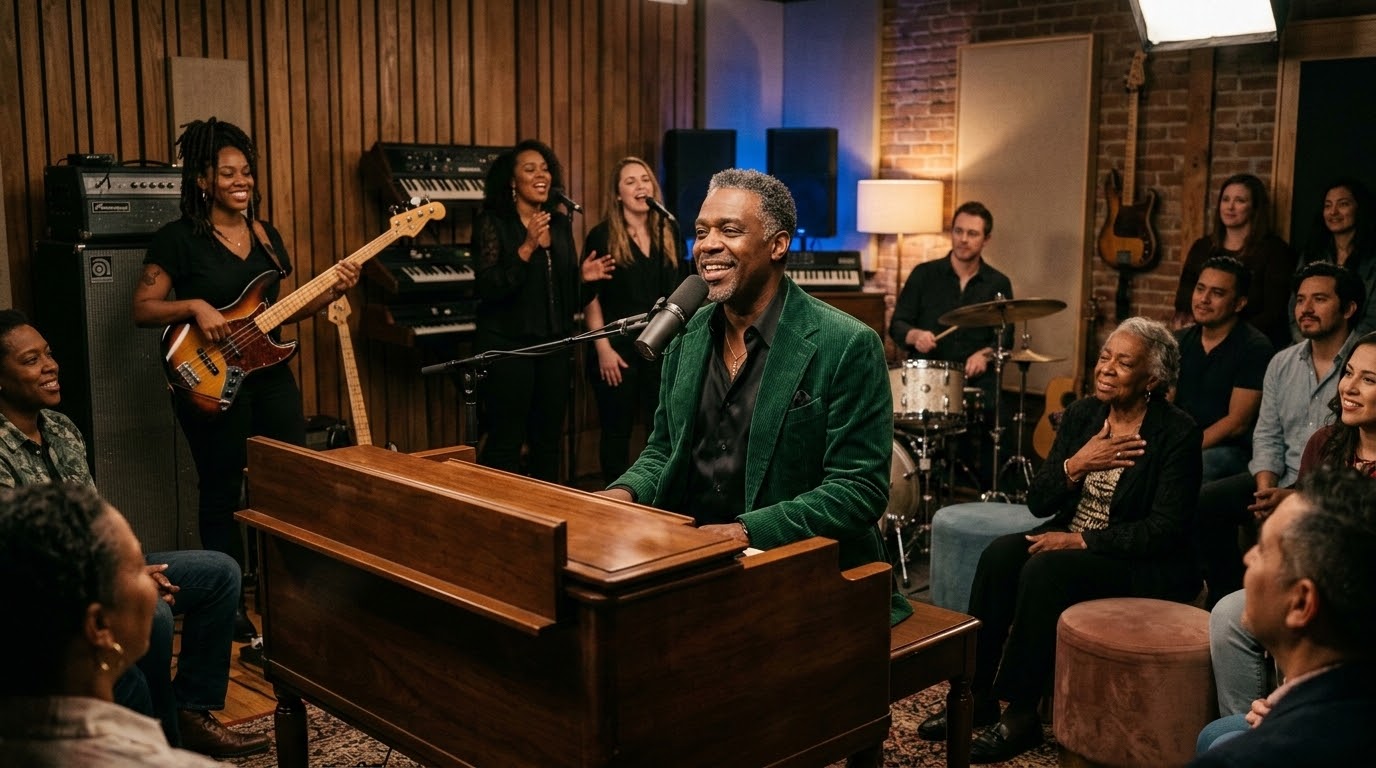
Gospel Legacy Still Knows How to Enter the Room Without Explaining Itself.
Faith No Longer Has to Sound Like a Sanctuary to Feel Spiritually Real.
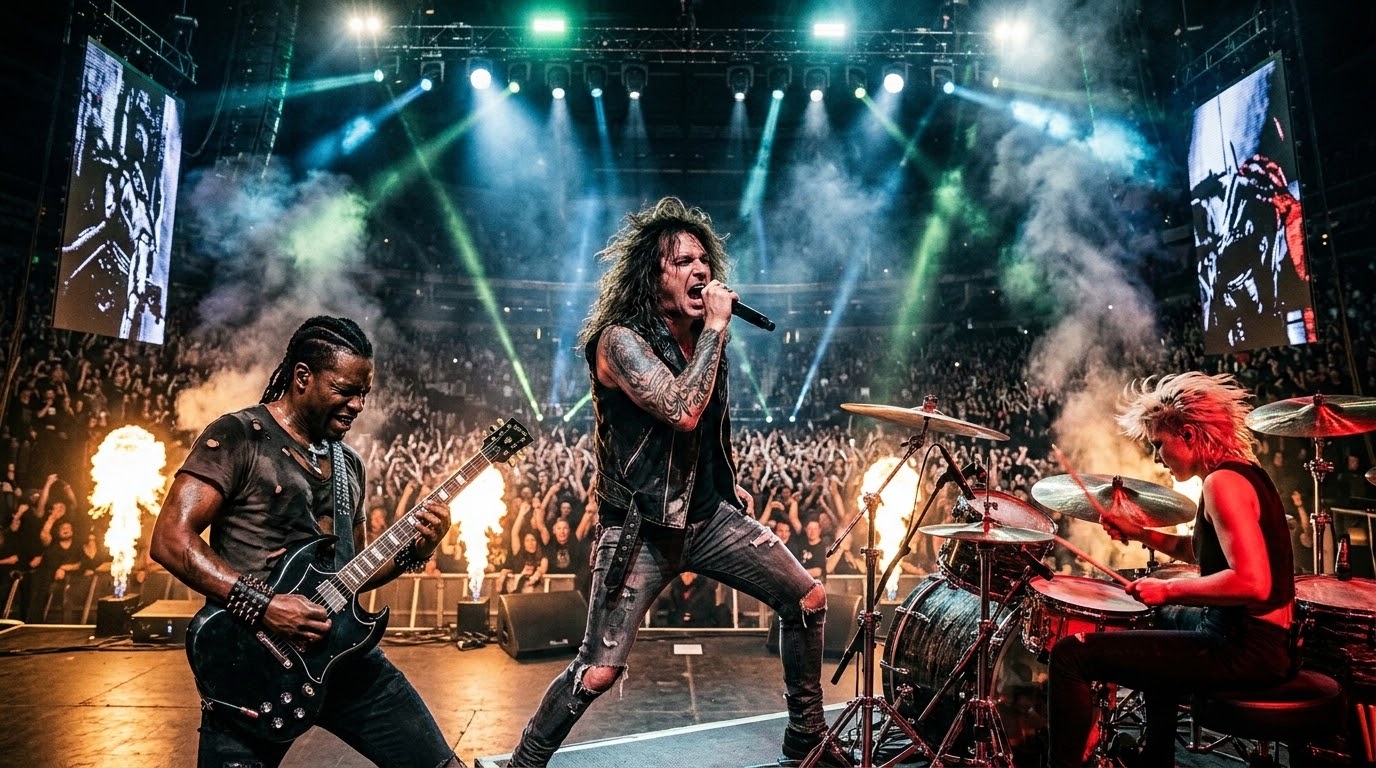
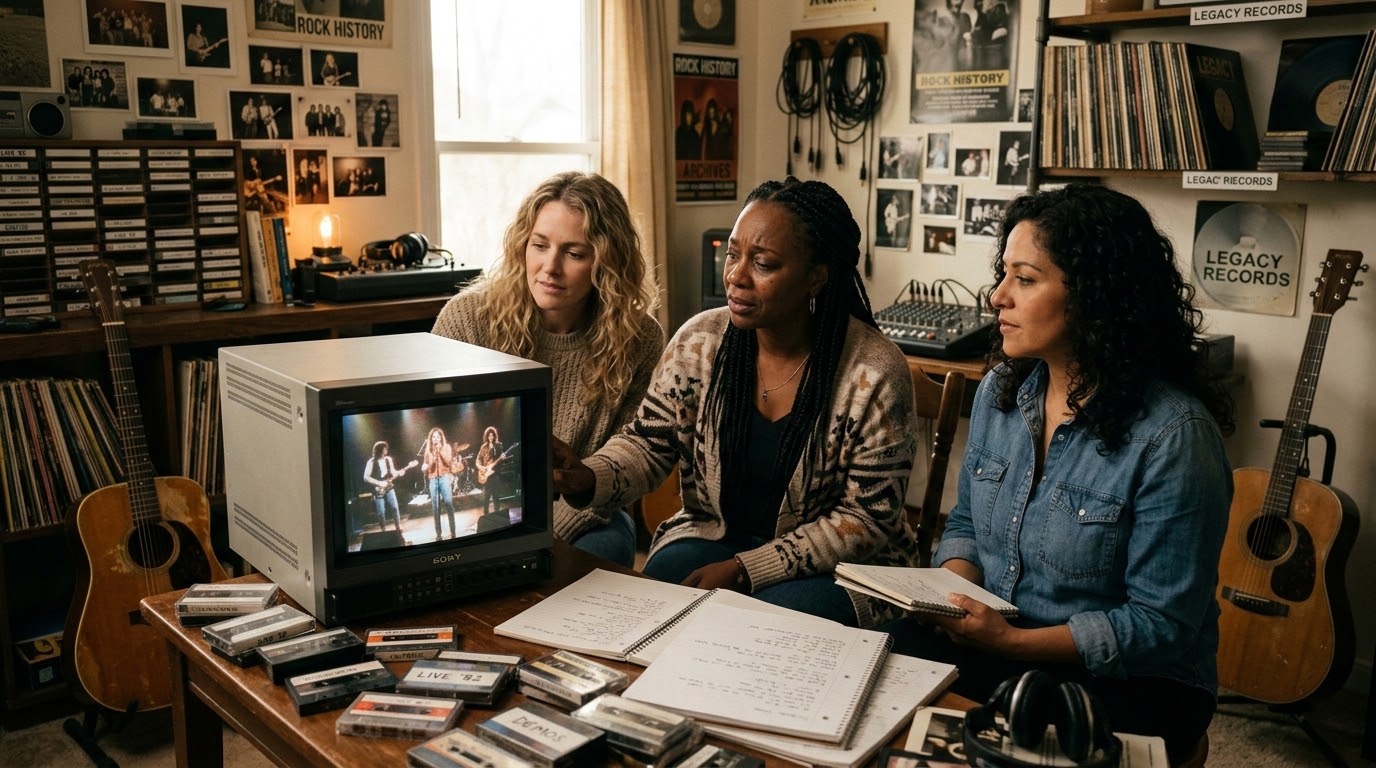
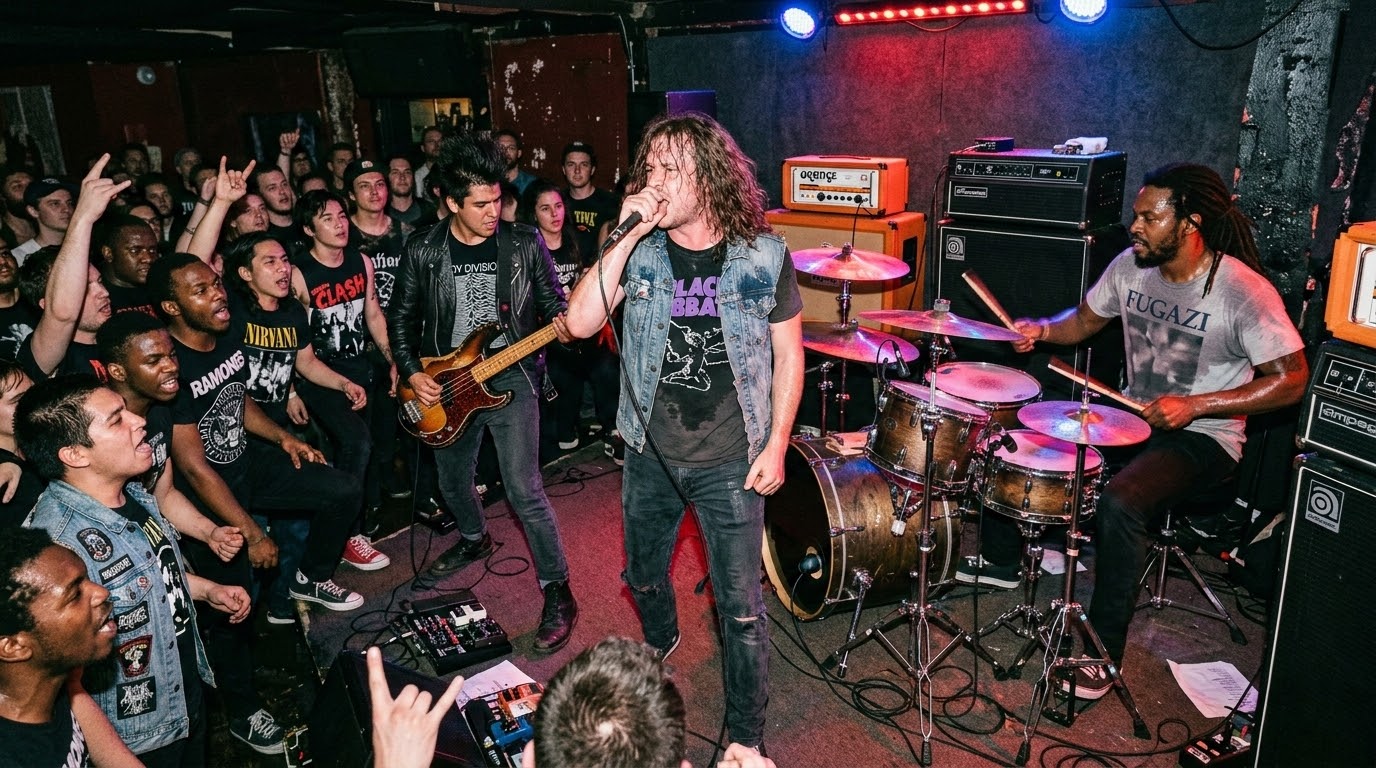
Christian Rock Doesn’t Need to Be Rehabilitated — It Needs to Be Remembered as a Real Force.
Christian Pop Culture Is Healthiest When It Refuses to Age Out of Curiosity.
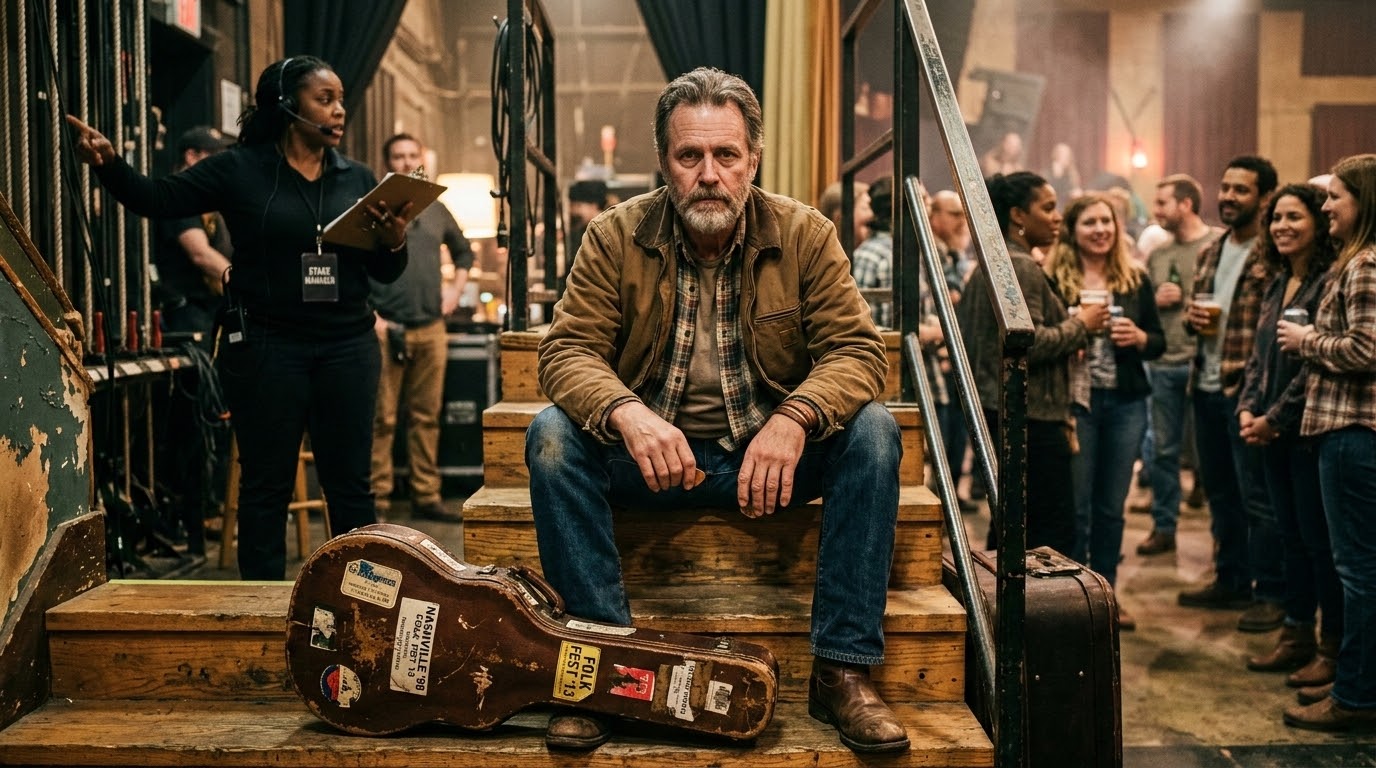
Christian Pop Culture Still Needs Elders Who Know How to Carry Legacy Without Freezing in It.
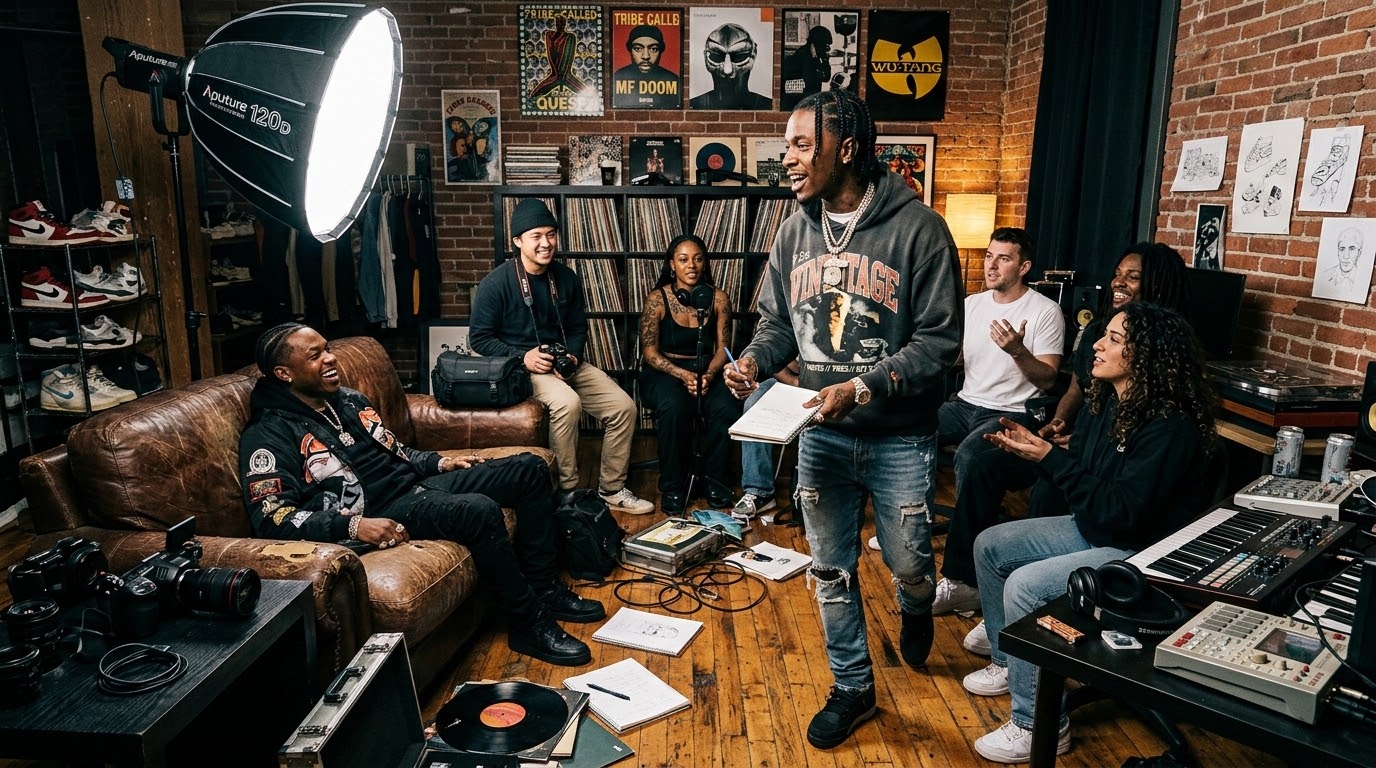
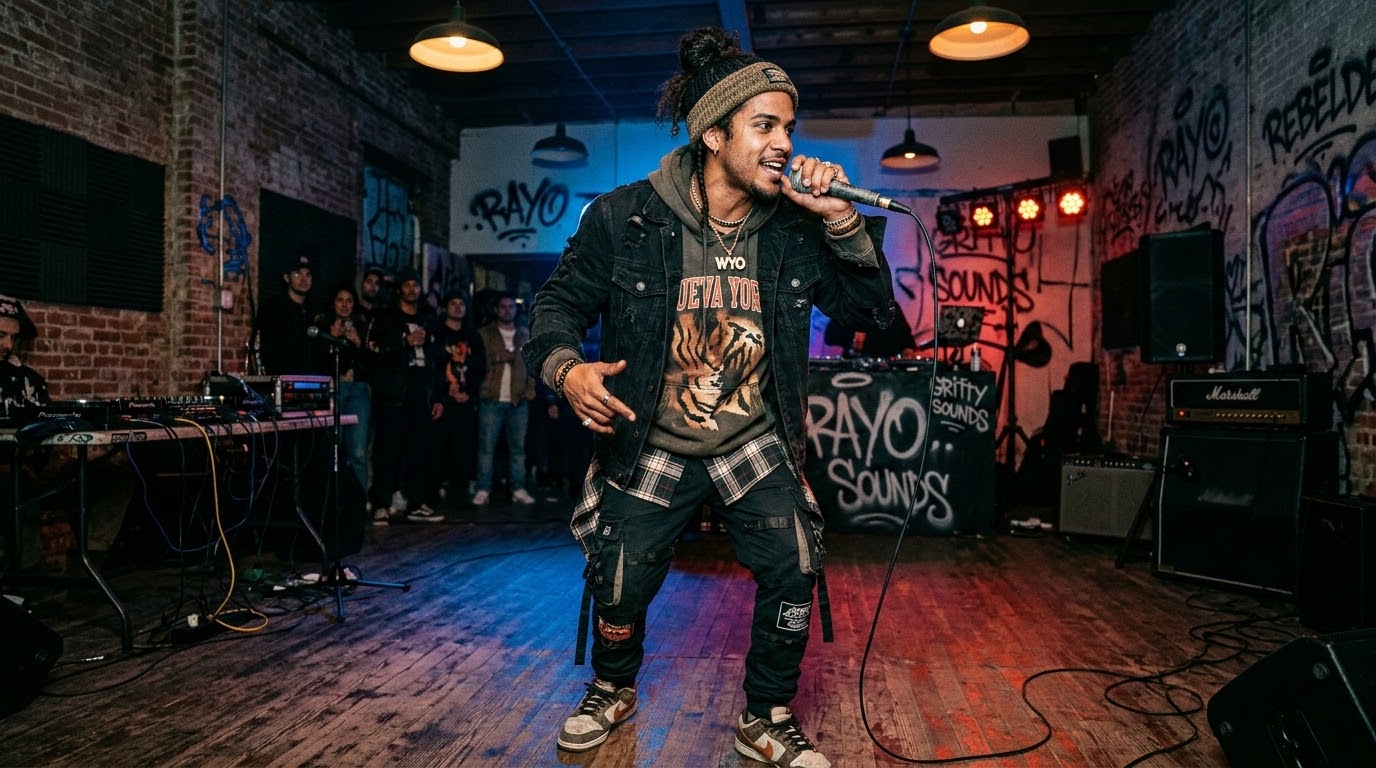
Christian Rap Has Finally Reached a Point Where It Can’t Be Treated Like a Side Conversation Anymore.
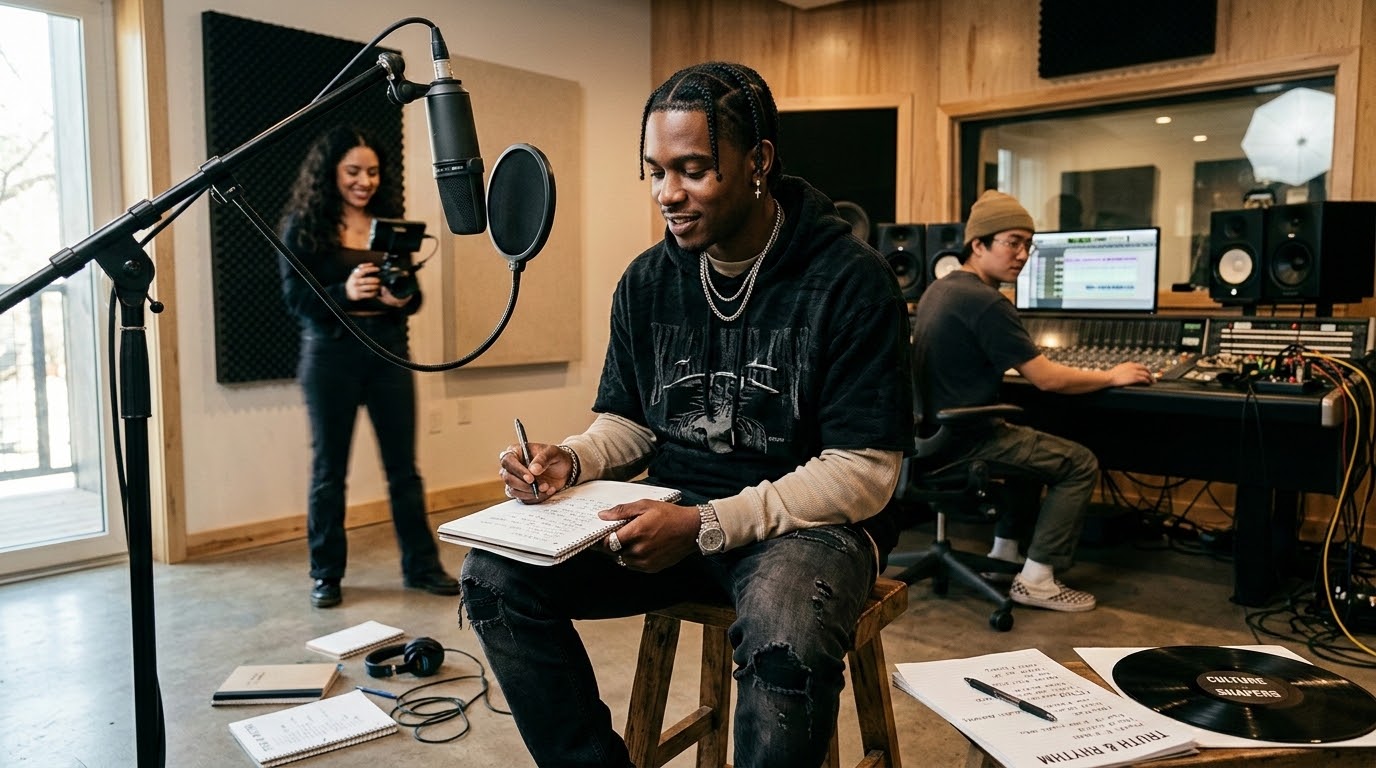
The Future of Faith-Based Art Belongs to Artists Who Sound Like Themselves First.
Christian pop culture is learning the difference between spectacle and presence.
Christian pop culture needs more public faith that sounds earned, not scripted.
Christian alt-rock was never just a sound — it was a way of being alive inside belief.
Christian pop culture is still learning how to handle it when secular platforms reframe sacred stories.
The industry finally ran out of stories that don't require something bigger than itself.
The genre has confused intensity with depth for too long.
Christian music nostalgia is strongest when it becomes memory with purpose.
Christian pop culture needs more honest outsider pressure.
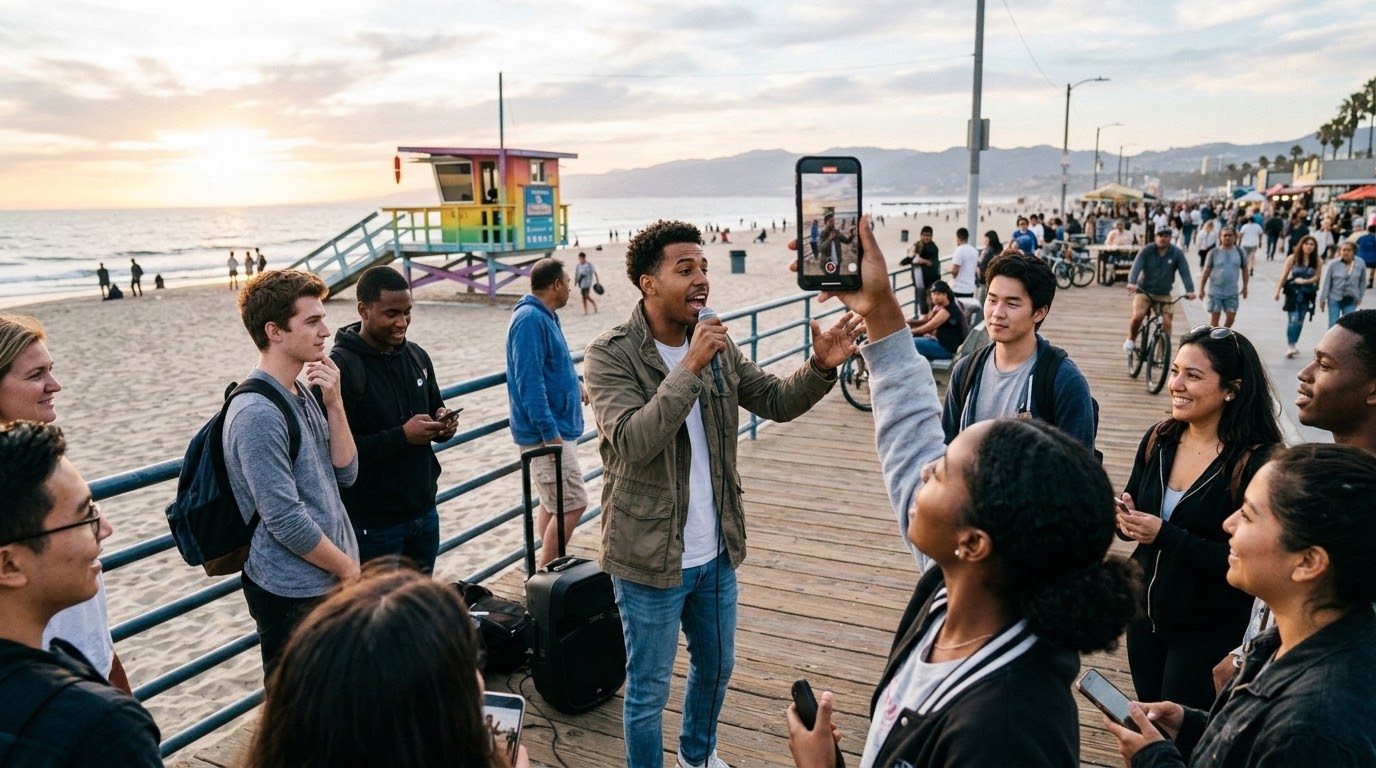
Christian hip-hop no longer wants to sound like it's asking for permission.
Public redemption is more interesting than celebrity reinvention.
Christian celebrity is most credible when it stops performing for attention.
Christian nostalgia only works when it still feels alive.
Christianity still breaks through global pop culture through people, not platforms.
The real question is whether Christian pop culture knows how to handle wonder without panic.
Christian music is finally making room for artists who sound like they live in 2026.
People still want faith in public — just not in the old packaging.
The real reason faith-based entertainment is improving is not better marketing — it is better taste.
Christian creativity is getting more comfortable with genre — and less afraid of imagination.
Anne Wilson is rebranding conviction for a post-conformist age.
People are tired of performed victory — and CAIN is leading the correction.
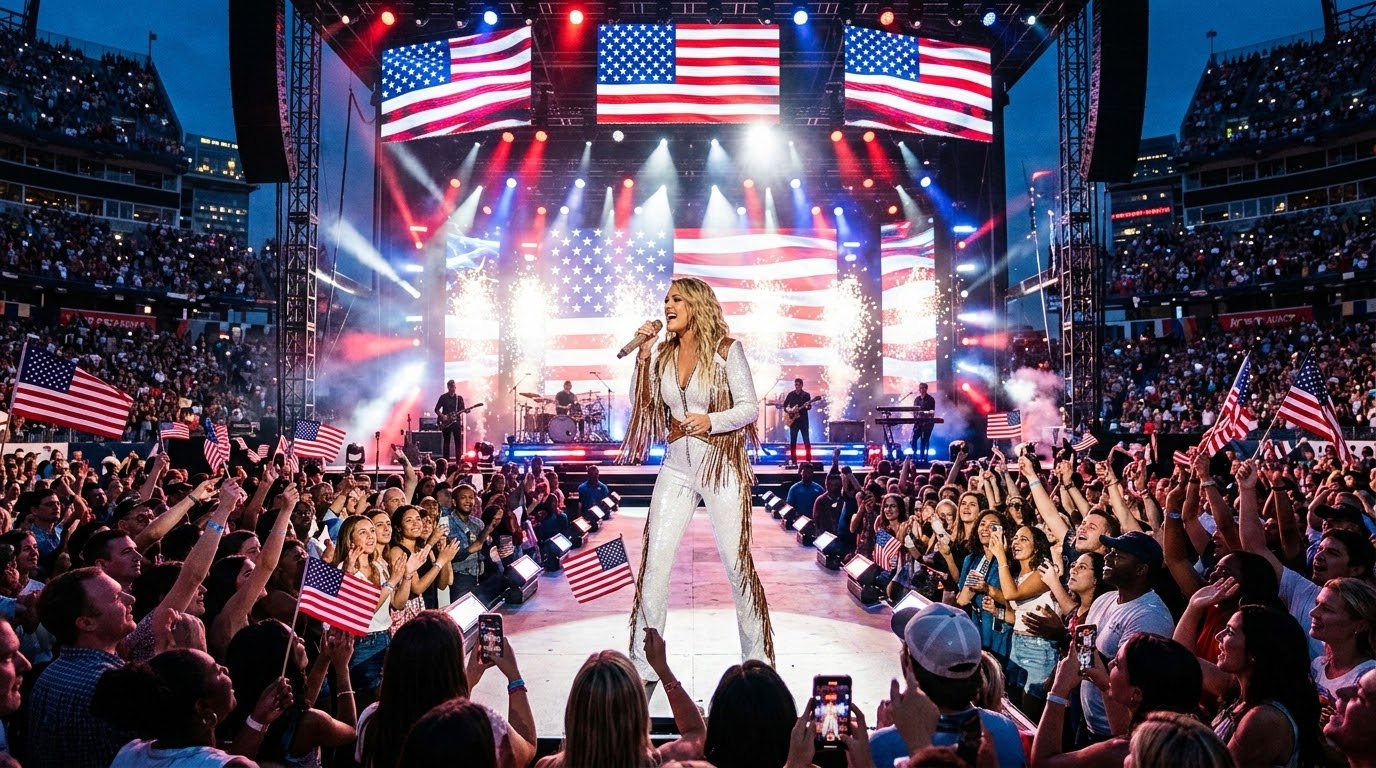
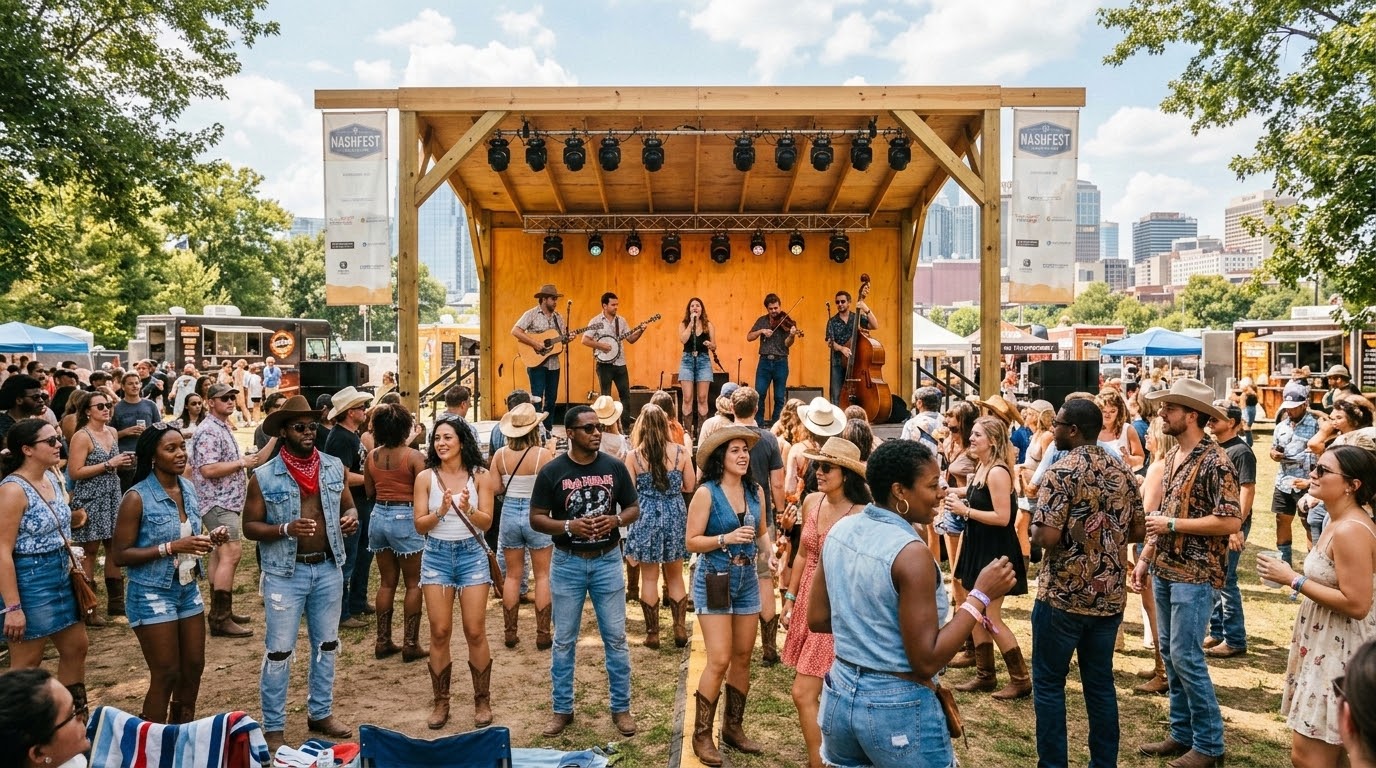
Faith is no longer staying in its own lane — and CMA Fest proves it.
Christian pop culture is done asking permission to leave the building.
Conversion still has the power to interrupt the aesthetic scripts we expect people to follow.
Christian rock only feels dead until a band shows up like it still has blood in it.
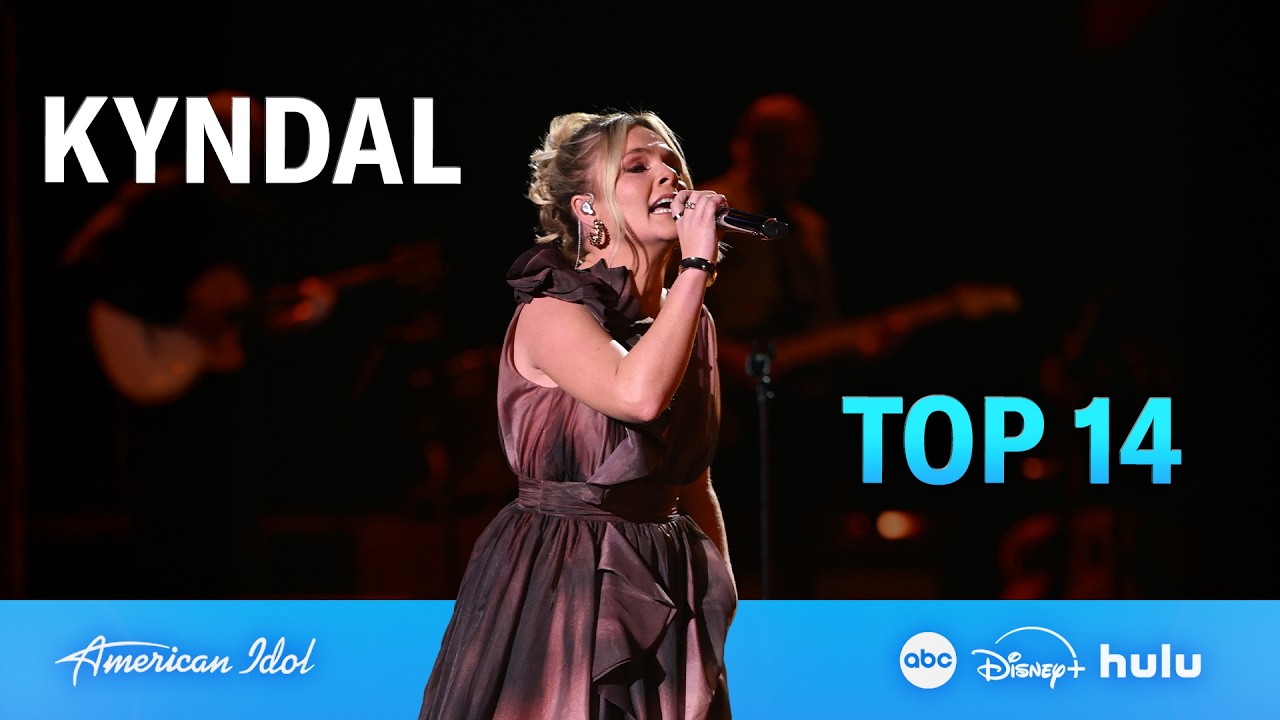
When all three American Idol finalists are outspoken Christians, it says something about where faith still sounds normal — and how witness travels best in mainstream spaces.
CCM Magazine’s wonderfully odd headline about Amy Grant and Disney reveals something important: Christian pop culture’s influence often outlives the moment people think it belongs to.
Religion News Service asks the sharpest Christian pop-culture question of the month: can virality create revival? Bryce Crawford’s rise makes the answer uncomfortable.
RELEVANT spotlights Christian EDM artists pushing worship into new sonic territory — and asking whether holiness must always arrive in familiar packaging.
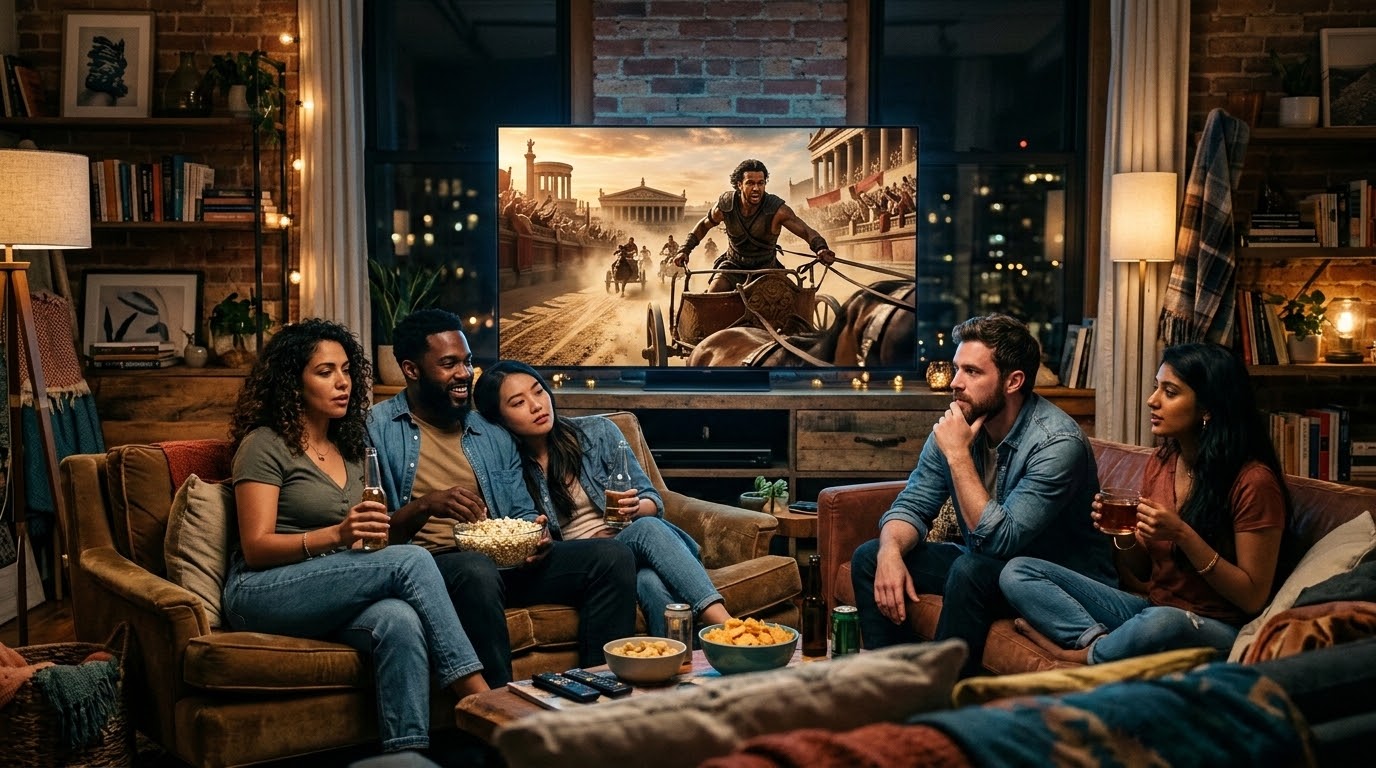
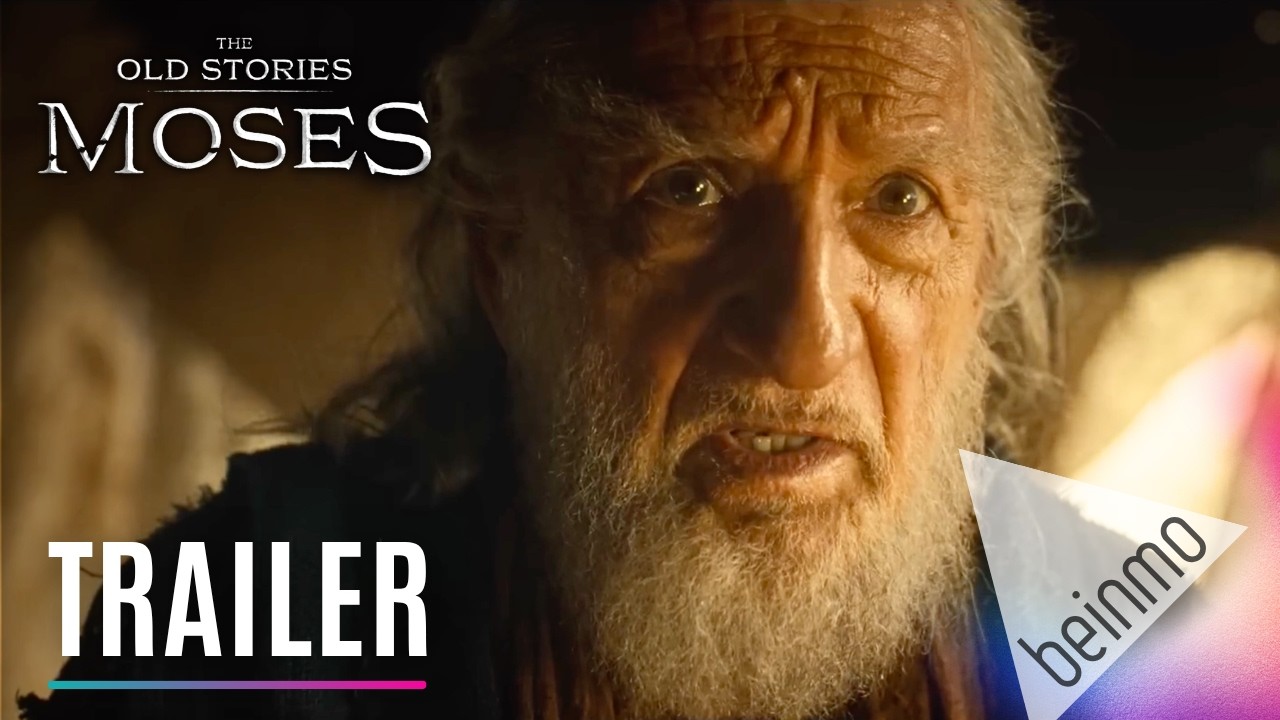
RELEVANT rounds up the Bible show boom and asks the question the church should be asking too: what version of God is Hollywood making imaginable?
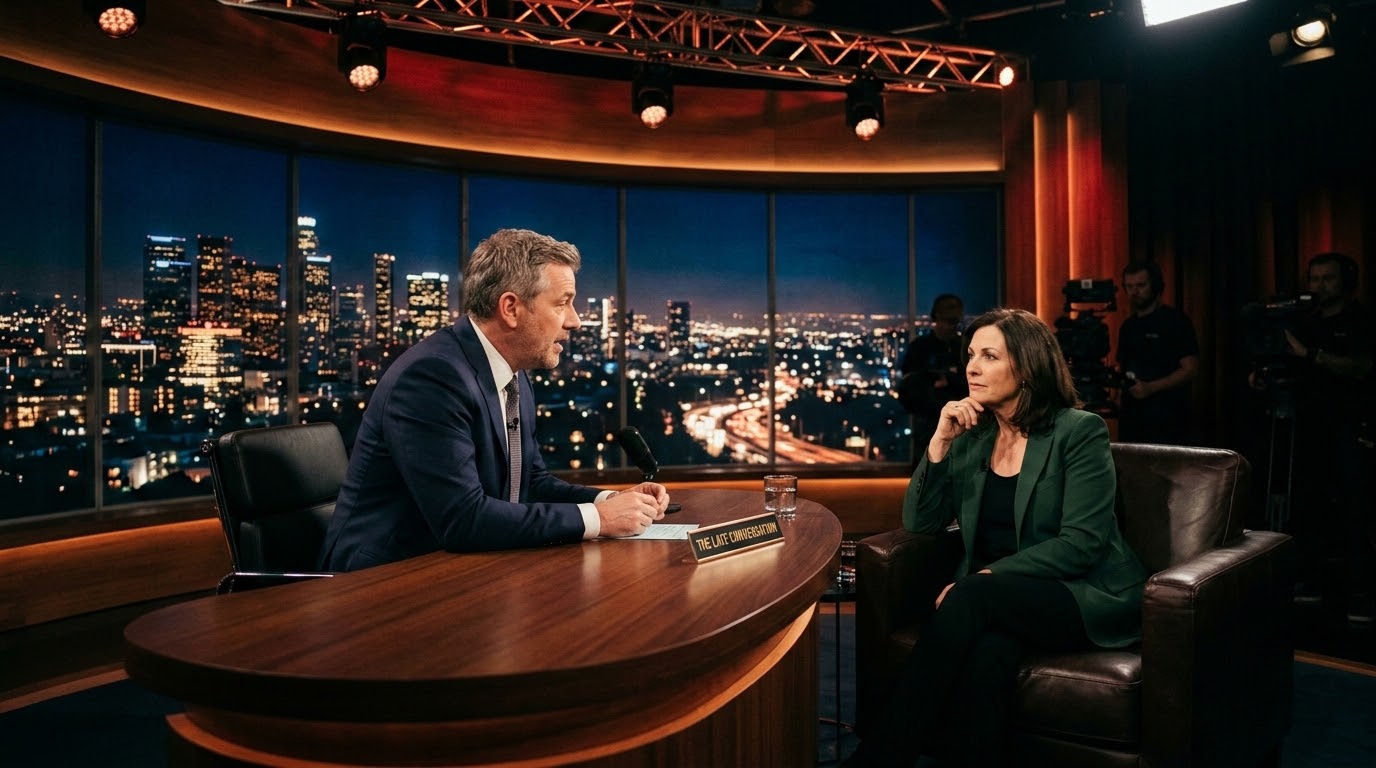
RELEVANT’s look back at Colbert’s best faith moments reveals what public Christianity looks like when it is neither defensive nor performative.
RELEVANT profiles Marty as a disruptive voice in Christian hip-hop — but the real disruption is whether Christian art still has room for honesty sharp enough to cut through performance.
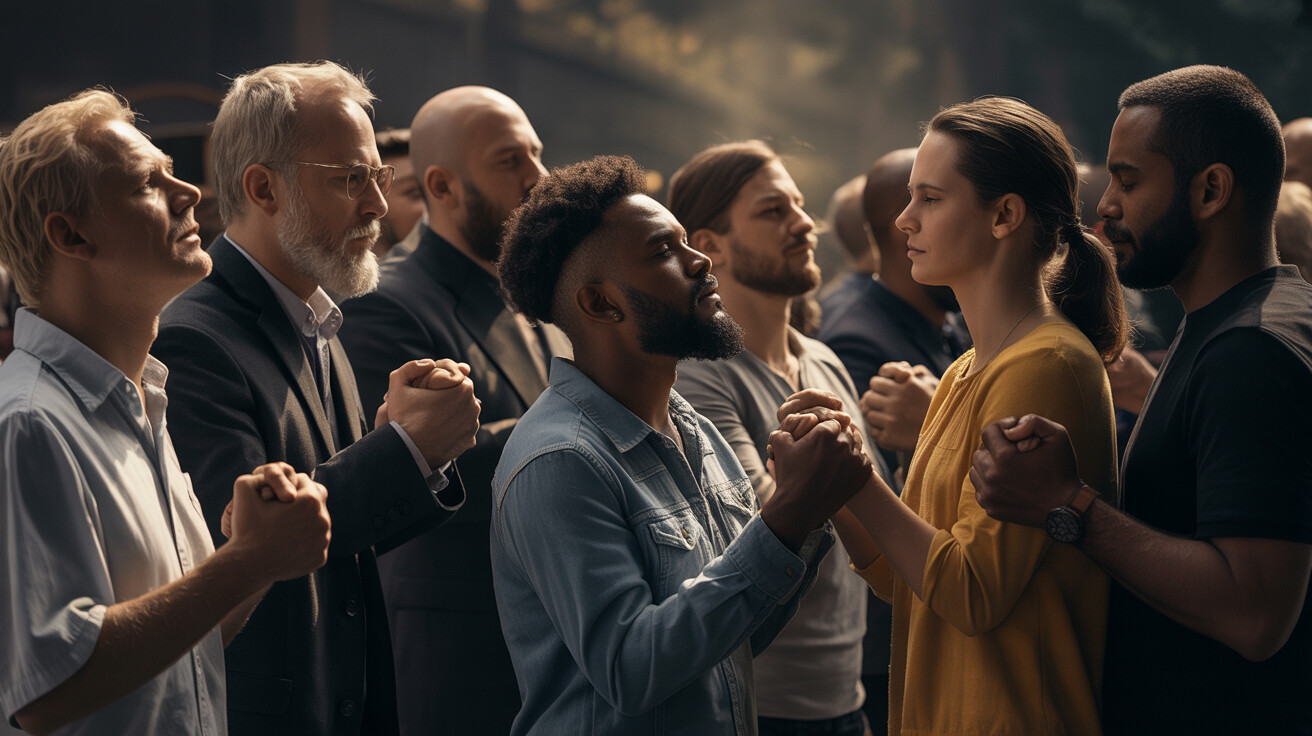
A new docudrama featuring Francis Chan asks what happens when unity moves from slogan to practice — and whether modern Christianity is willing to pay the price.
Christianity Today interviews the daughter of an imprisoned Chinese pastor — and challenges Western advocacy to become more humble, more patient, and more teachable.
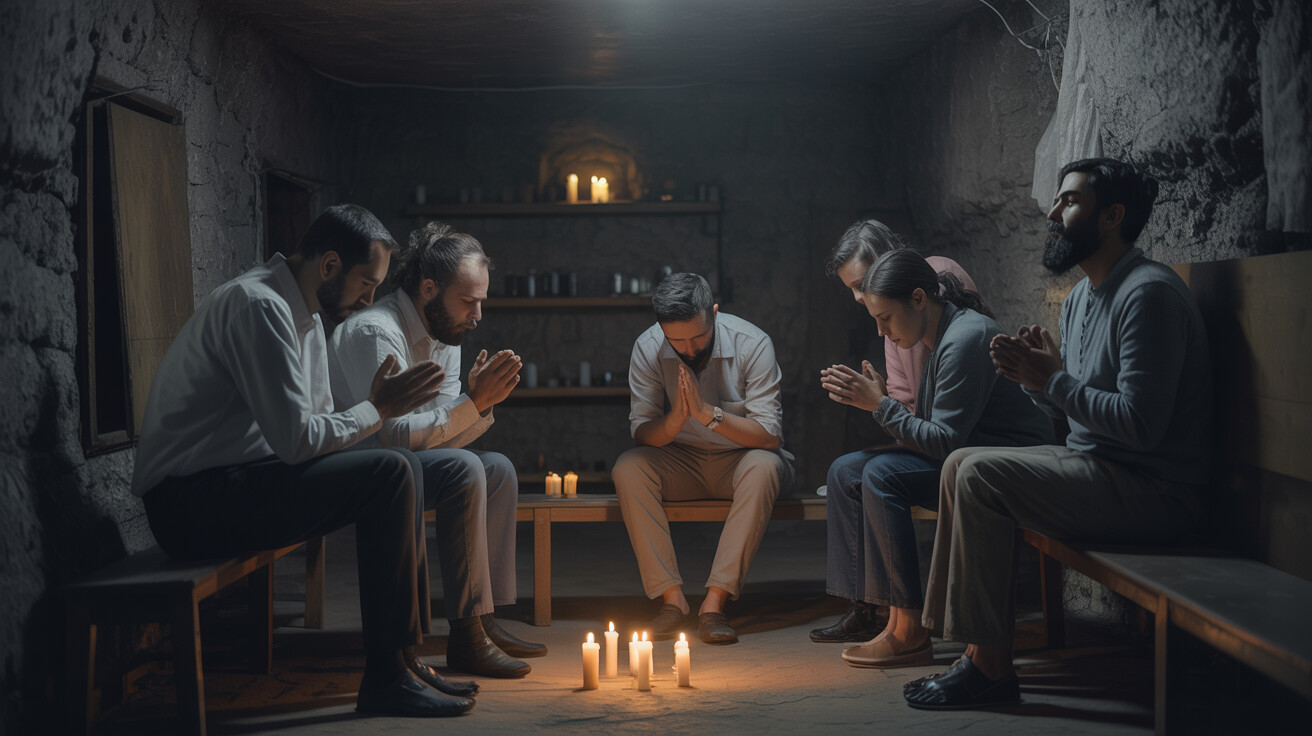
Christianity Today gives voice to a prayer most churches avoid — what trust in God looks like when the numbers simply do not stretch far enough.
Christianity Today exposes one of modern faith’s most respectable evasions — praising the body of Christ while treating local congregations as optional.
People are hungry for sacred form — even without religion. Christianity Today asks whether the church will answer that hunger or keep flattening the very rituals people are searching for.
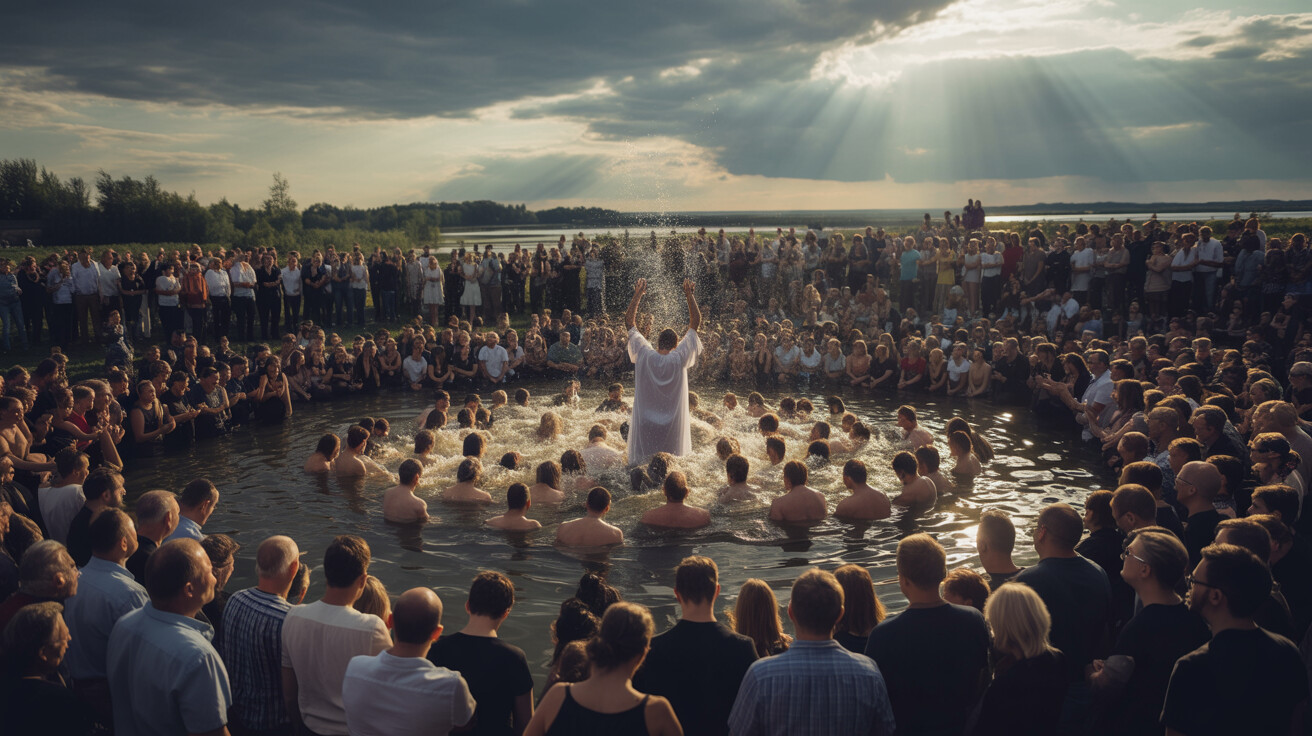
A synchronized global baptism could be a beautiful sign of unity. But the church must ask whether it is ready to form the people it welcomes into the water.
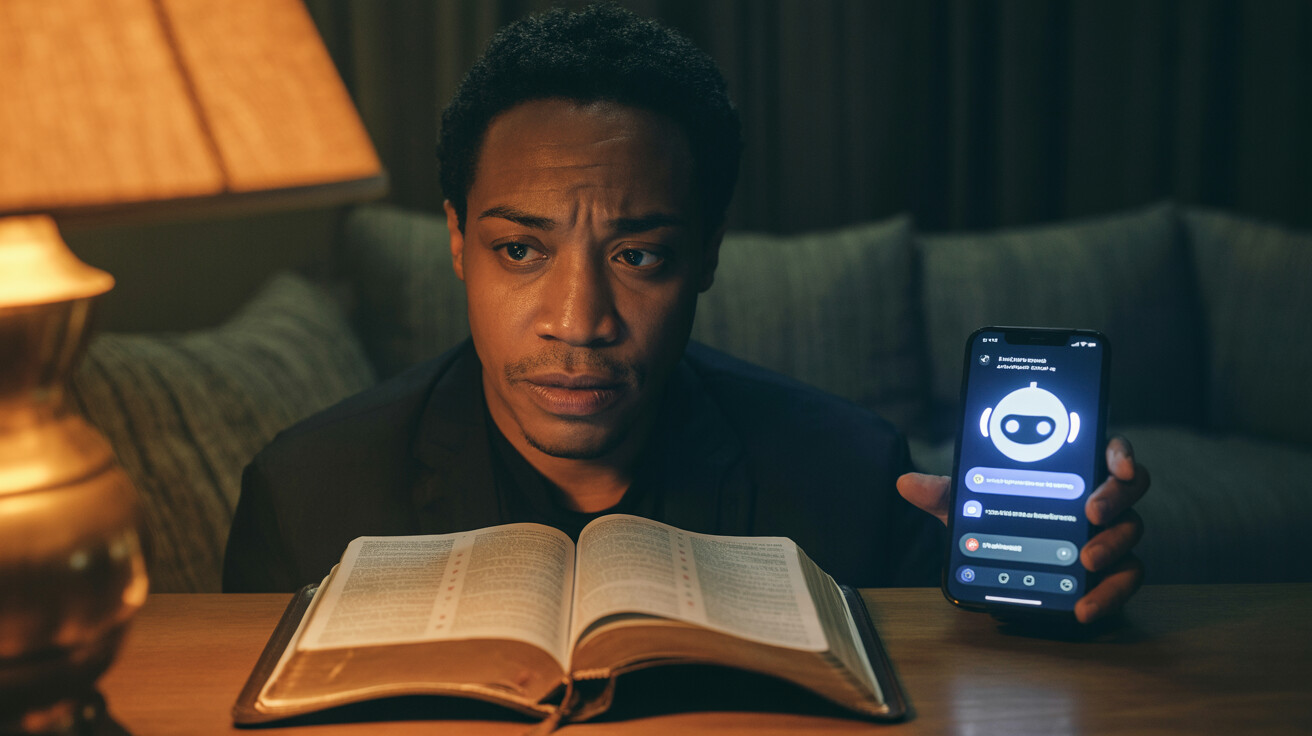
Christianity Today warns that frictionless faith may be the deepest risk of the AI age — not bad theology, but effortless understanding that never becomes real transformation.
The United Methodist Church's post-split road map raises a question every fractured community must face: surviving conflict isn't the same as healing from it.
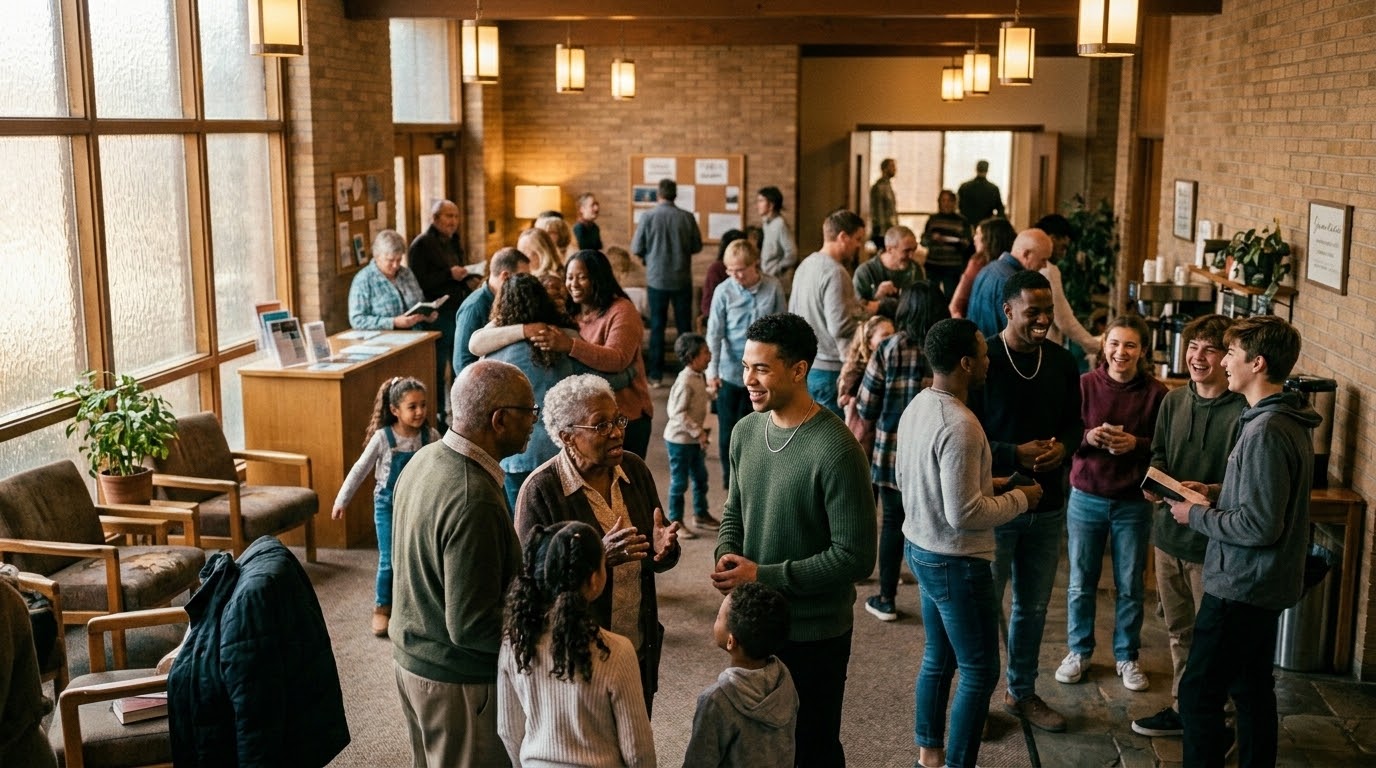
RELEVANT reveals the common thread among growing churches: they know what they are, what they believe, and what they're asking people to join.
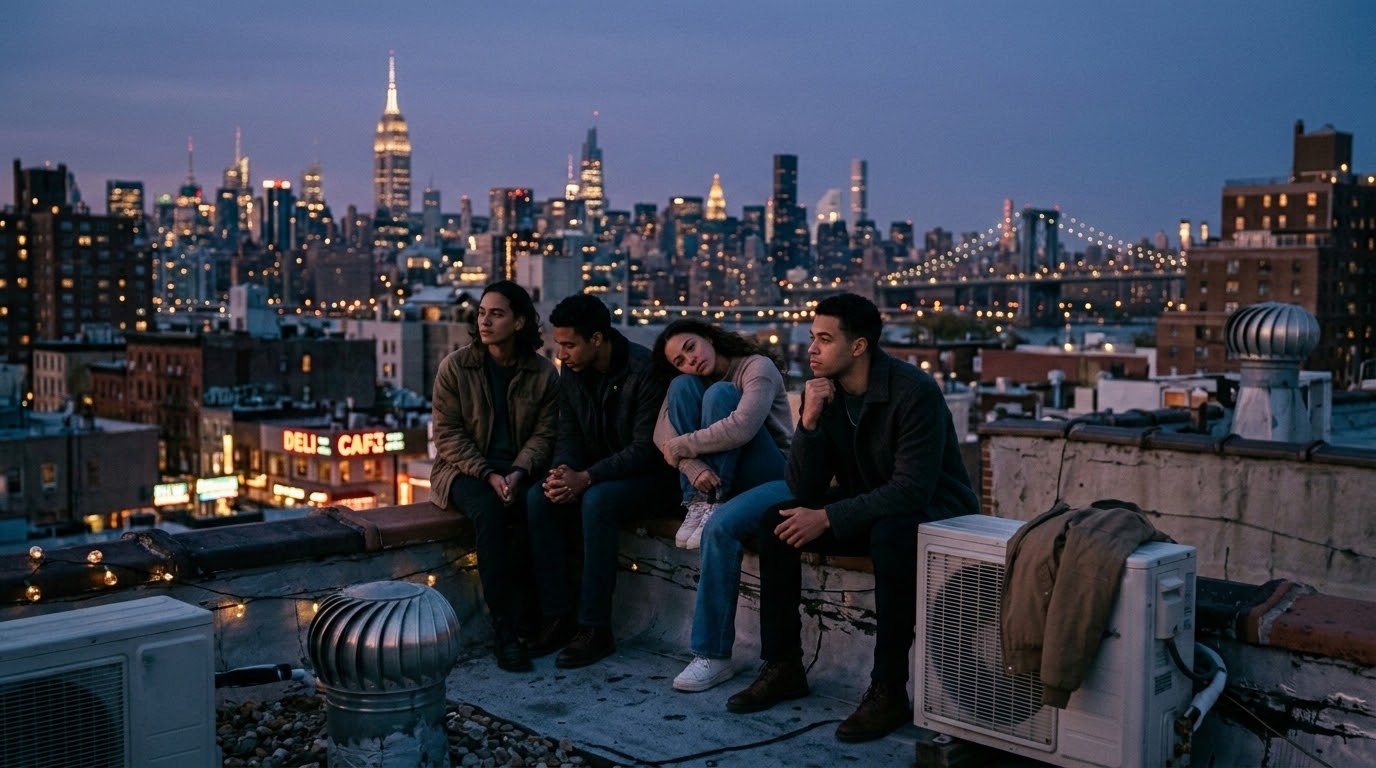
Christianity Today's conversation with Douglas McKelvey reveals a void: young adults crossing into adulthood without spiritual markers or communal witness.
RELEVANT's interview reveals a crucial distinction: younger adults aren't chasing Christian identity — they're looking for Jesus.
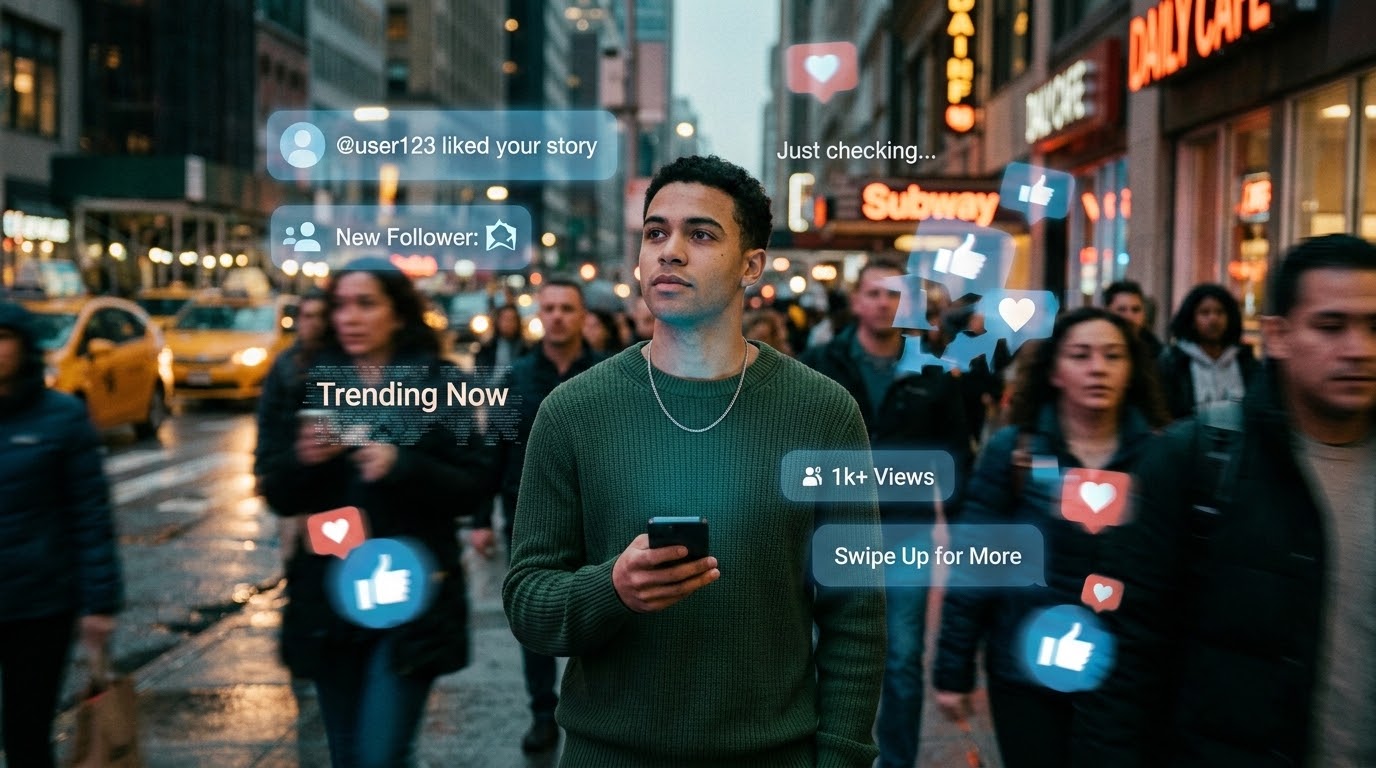
Christianity Today's essay reveals how digital platforms don't just show us content — they train our ambitions, speech, and spiritual formation in ways most believers haven't reckoned with.
This was not just a music milestone. It was a legitimacy milestone — and modern Christianity should pay attention.
When one of pop culture’s biggest stages makes room for worship, the real question is not whether it was viral. It is whether it was true.
When a generation starts expecting spiritual renewal, the real question is whether they mean repentance, belonging, beauty, or simply relief from exhaustion.
The recent rise in adult baptisms and initiations matters. But the real story is not hype. It is hunger.
When a mainstream stage makes room for worship, it says something bigger than entertainment.
The question is not whether AI is useful. The question is what it is replacing.
Christian creativity is not just making content anymore — it is entering the platforms people already live on.
The real question is no longer whether Bible stories can return — it is whether they can return with beauty and seriousness.
Platform expansion matters because it reveals what kind of faith-based voices people still want to carry with them.
This is not just about songs. It is about reaching people who feel shut out of church language.