Zion Ultra Virtual logo
Stephen Colbert’s Quiet Faith on Late Night May Be Harder to Replace Than People Think
Back to Media Center

Culture & ChristMay 26, 2026

Stephen Colbert’s Quiet Faith on Late Night May Be Harder to Replace Than People Think

RELEVANT’s look back at Colbert’s best faith moments reveals what public Christianity looks like when it is neither defensive nor performative.

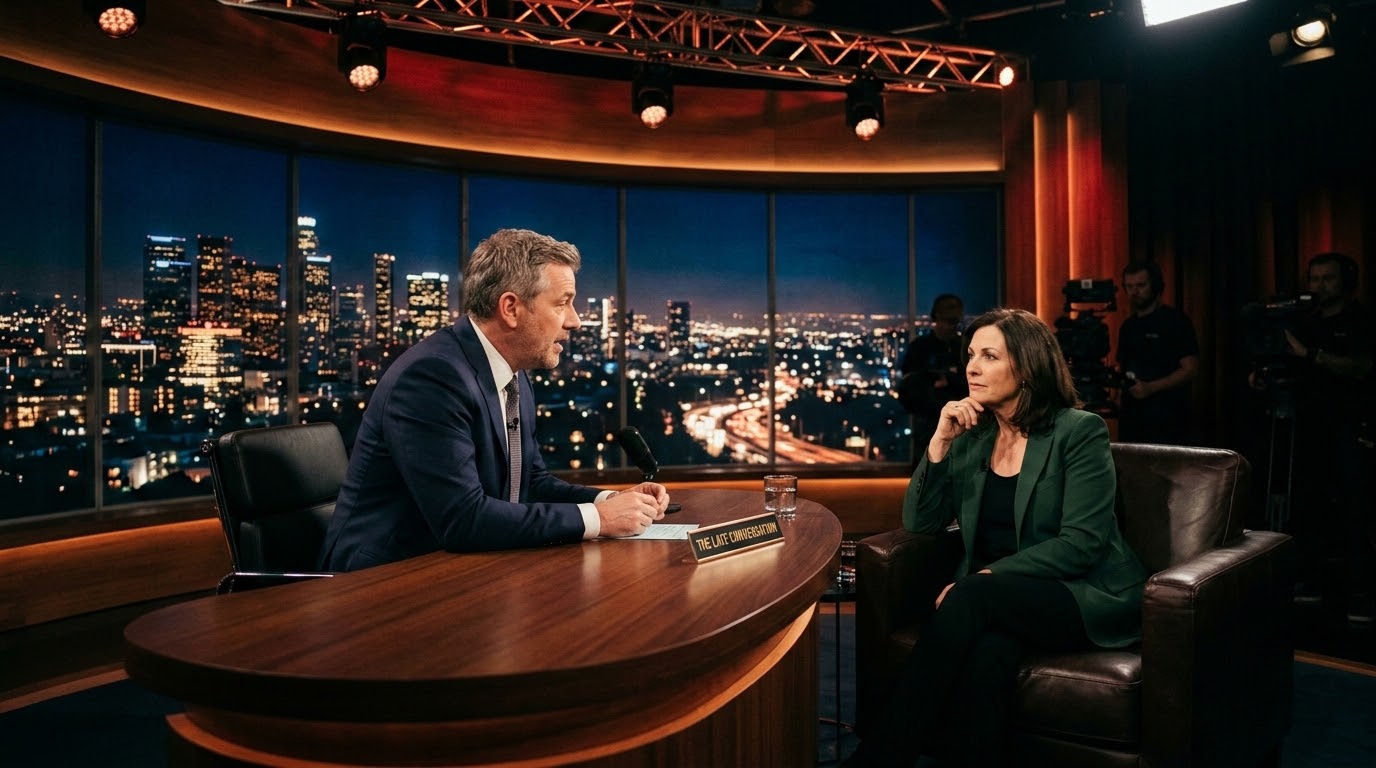
When RELEVANT looked back this month at The Five Best Faith Moments From Stephen Colbert’s ‘Late Show’ Run, it highlighted something many viewers sensed without fully naming: Colbert was one of the only major mainstream TV hosts who regularly made room for conversations about faith without turning them into irony, spectacle, or culture-war bait. RELEVANT noted that on The Late Show, prayer, doubt, Scripture, Jesus, and suffering could come up naturally and sincerely in a network entertainment setting — a rare thing in contemporary pop culture. (RELEVANT)

That matters more than nostalgia might suggest.

Because Colbert’s importance was not simply that he was “a Christian on TV.” Public Christianity has no shortage of visible figures. His significance was that his Catholicism shaped tone. It made room for seriousness without making the show stiff, and for moral depth without requiring a religious segment label. Faith was not treated like a personal quirk or branding asset. It was part of the atmosphere of thoughtfulness the show could hold. (RELEVANT)

That is a big deal in modern pop culture.

Most mainstream entertainment spaces still know how to handle religion only in one of three ways: as joke material, as controversy, or as therapeutic personal detail. What Colbert offered was different. He made it possible for faith to appear as an intellectually alive, emotionally serious, and culturally literate part of public conversation.

Modern Christianity should pay attention to that because it shows what public witness can look like when it is neither defensive nor performative.

Not every faith moment needs a declaration. Not every act of witness needs a sermon. Sometimes what is most culturally powerful is a public figure who can speak of suffering, grace, and belief with enough steadiness that the room itself becomes more open to seriousness.

That kind of witness is rare partly because it cannot be faked. It depends on a person whose faith has become part of their moral imagination rather than merely part of their public identity.

And that is what may be hardest to replace.

As Christian pop culture keeps asking how faith enters mainstream spaces, Colbert’s example offers one answer: not always through overt religious programming, but through a public presence that treats God, suffering, and moral reality as subjects too important to flatten into irony.

That may not go viral the way spectacle does.

But it leaves a deeper mark.

Sponsored

God Over Everything Global Clothing - Faith, Fashion, Purpose
GOE Limited Drop - God Over Everything Apparel

3 Takeaways

  • Colbert’s faith mattered not just because it was visible, but because it shaped the tone of mainstream conversation. (RELEVANT)
  • Public Christianity is stronger when it appears as thoughtful, humane presence rather than forced branding.
  • Christian pop culture should value settings where faith is treated as serious without being weaponized or trivialized.

Bottom line: Stephen Colbert’s faith moments on late night mattered because they made room for belief in a mainstream space without reducing it to performance. That kind of presence is harder to replace than people think. (RELEVANT)

Need a steadier next step for real life? Get your personalized daily coaching drop at ZUL Daily Verse — a Bible verse, a modern-day translation, and 3 practical actions for today.

Try ZUL Daily Verse