Modern Christian culture commentary for a generation that wants depth, style, and real conversation.
The Kendrick Brothers’ tiny 2003 debut has been reimagined in Rio de Janeiro and arrives in U.S. theaters Oct. 16. The direction of influence is no longer only from American Christian media outward.
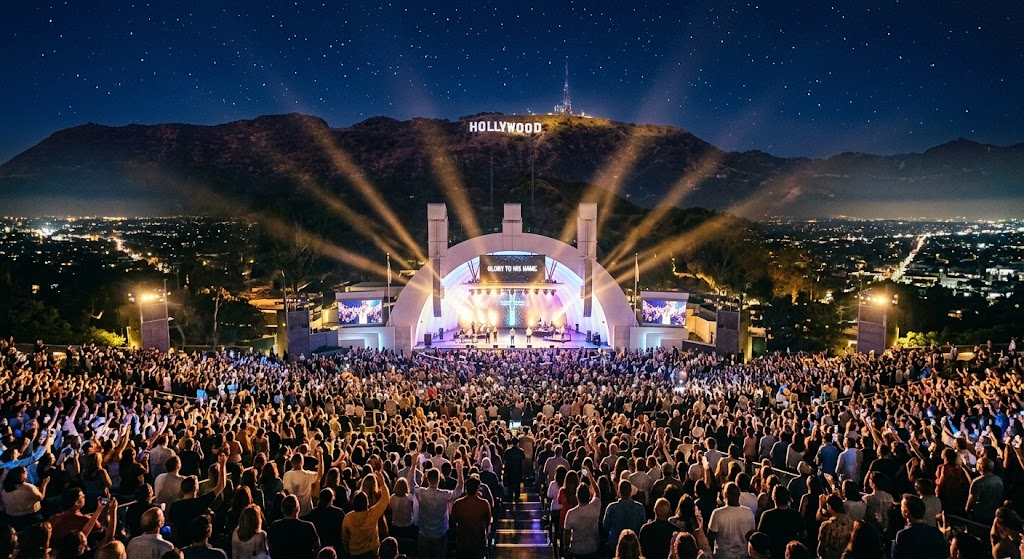
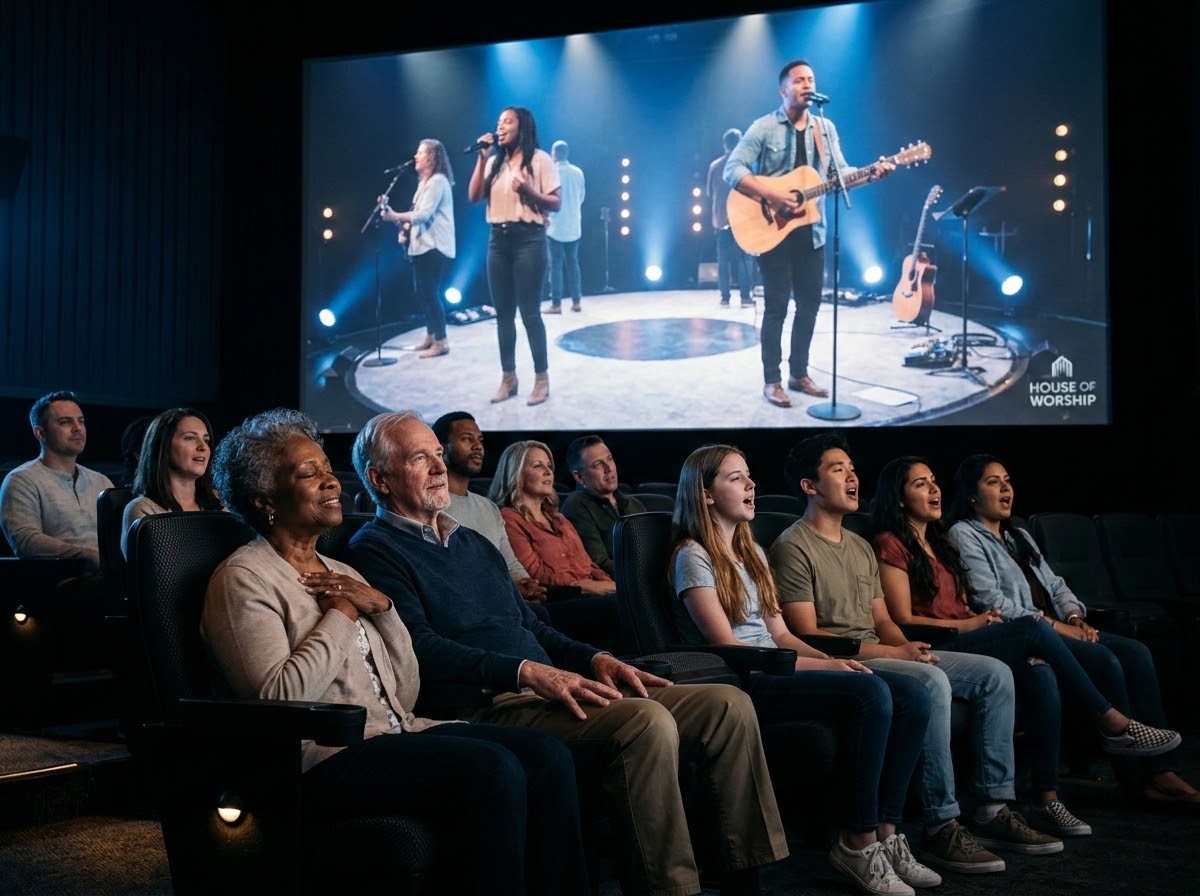
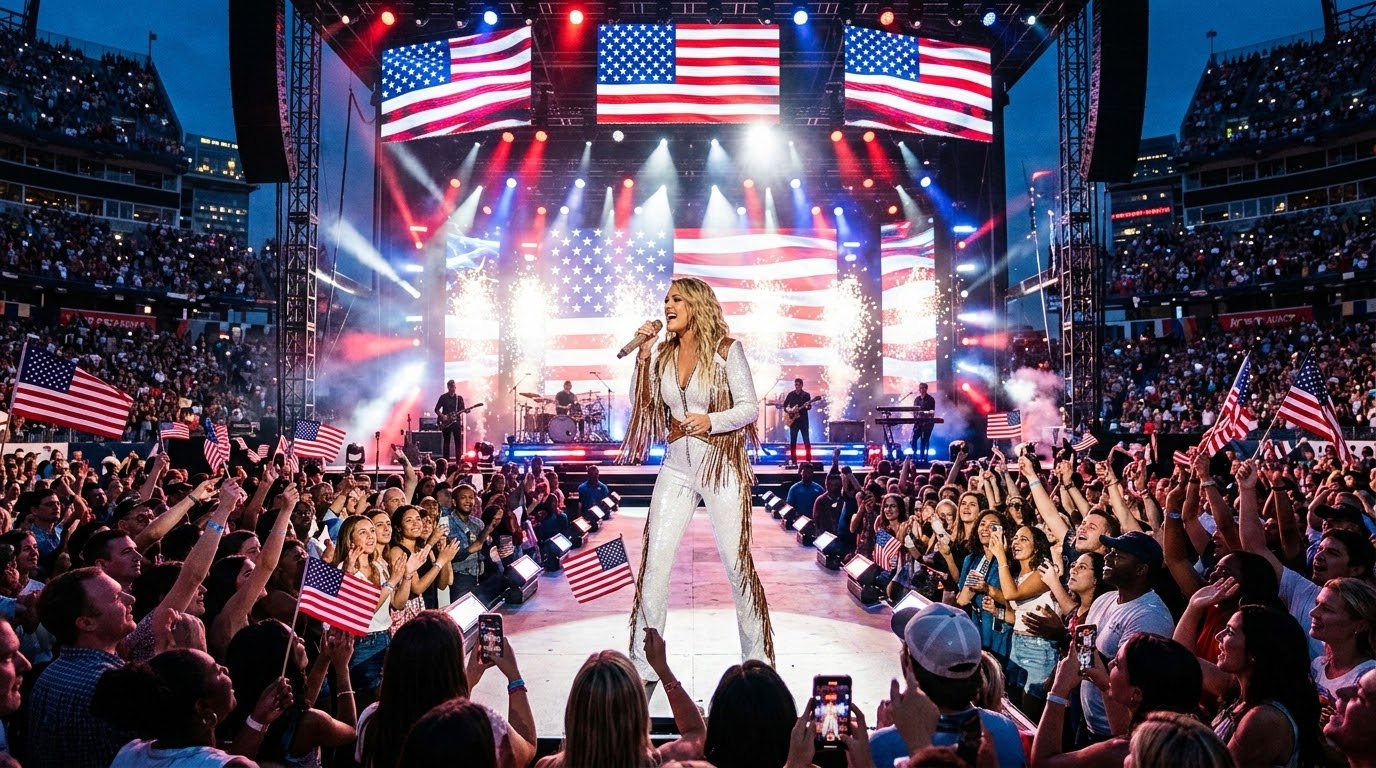
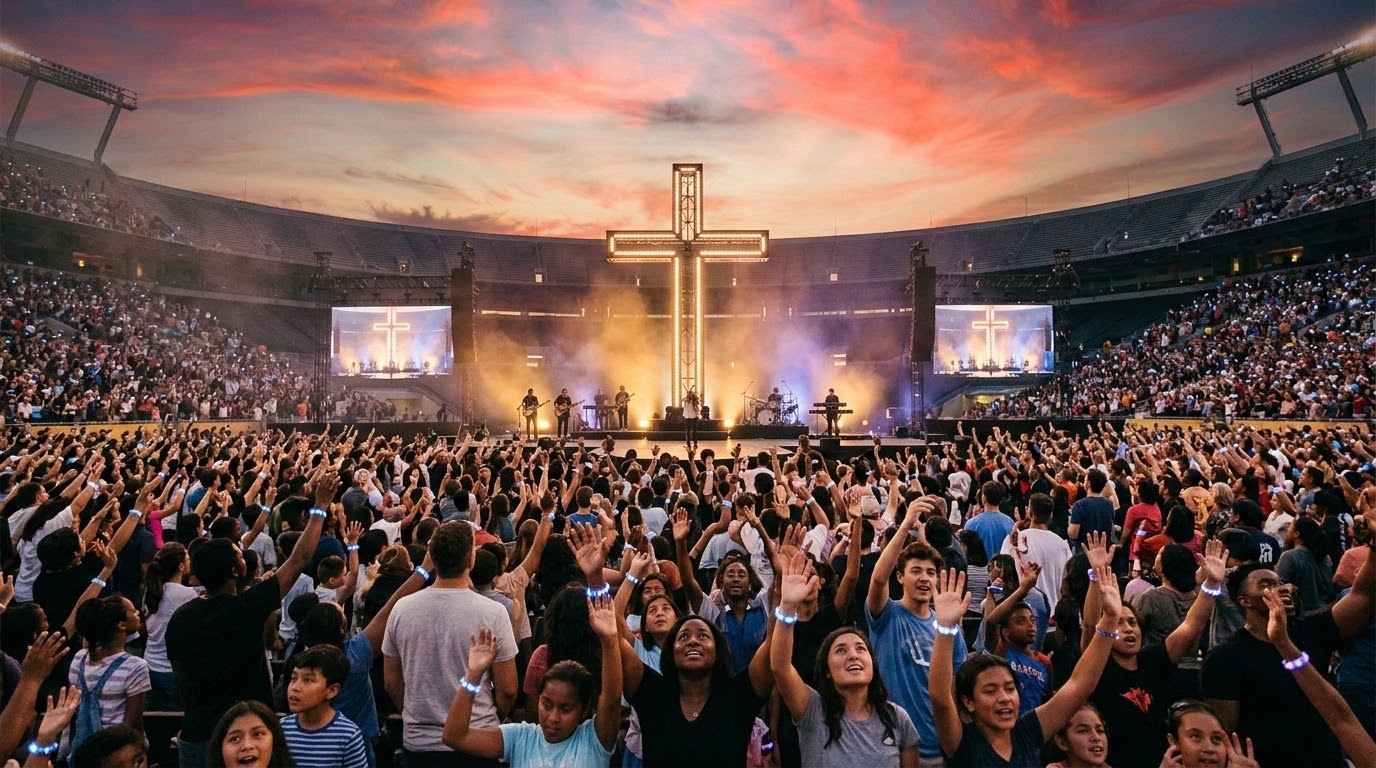
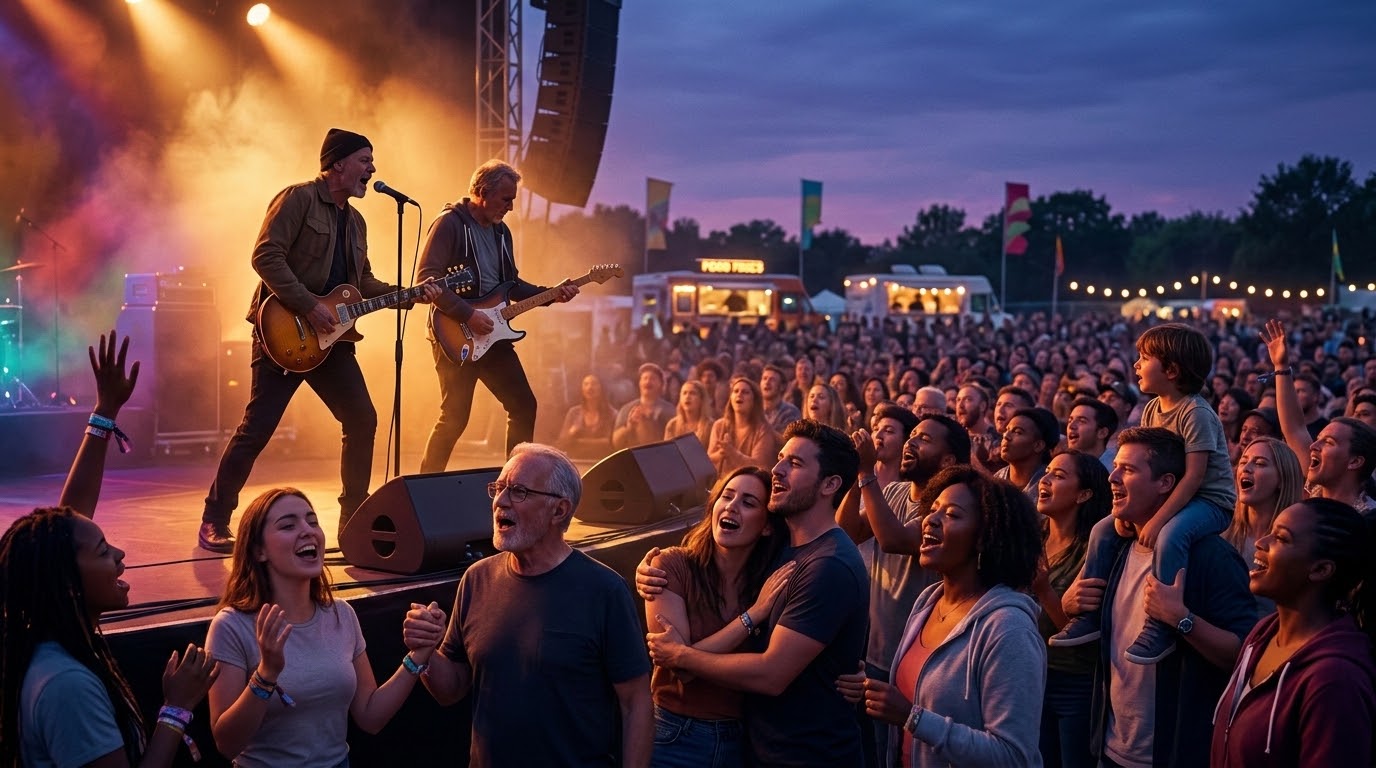
The “Live and In Worship” tour is turning each night into a coordinated visual experience, reminding audiences that concerts can create community instead of merely delivering content.
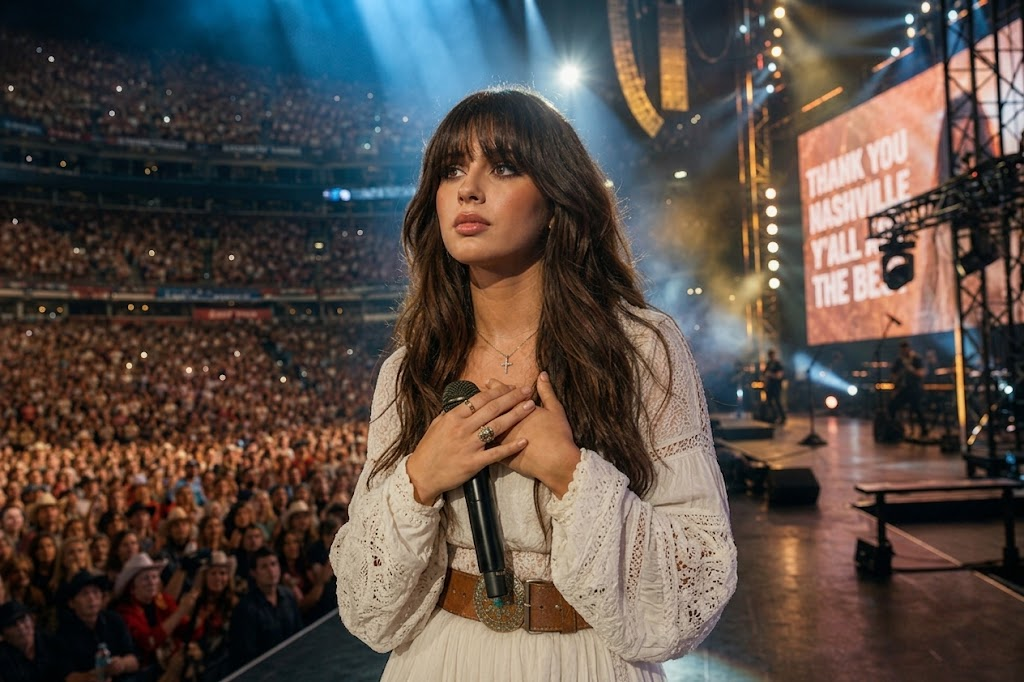
Winans’ first headlining arena tour moved through Tulsa and Fort Worth this weekend and continues through Oct. 16, turning a long career into a current-tense story.
“Together For One” is easy to print on a stage. Wells argued that Christian unity has to survive disagreement, difference and the temptation to turn every distinction into a dividing line.
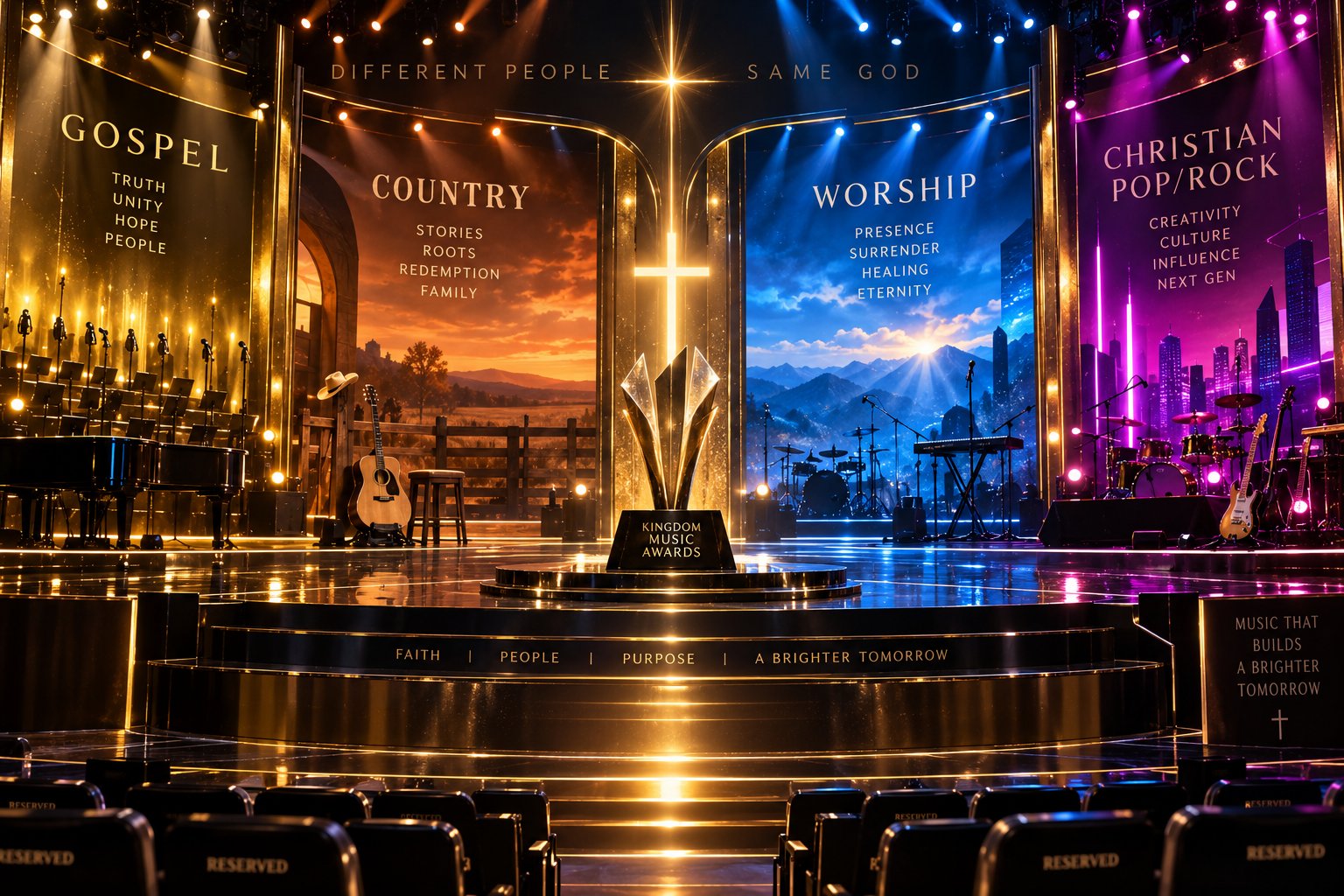
Phil Wickham won Artist of the Year, Jamie MacDonald won New Artist of the Year, gospel legends remained central, and “The Chosen” took a television award. The map is widening.
“After the Storm” pairs heavier rock with grief, anger and perseverance, offering a different emotional vocabulary for Christian encouragement.
“The Truth” made Megan Woods one of Christian music’s fastest-rising artists. Her debut album asks whether a breakout message can survive once it becomes a career.
After weeks of backlash over Netflix’s casting, C.S. Lewis’ family publicly said it is “thrilled” with the adaptation. The disagreement reveals how fiercely readers treat Narnia as inherited spiritual territory.
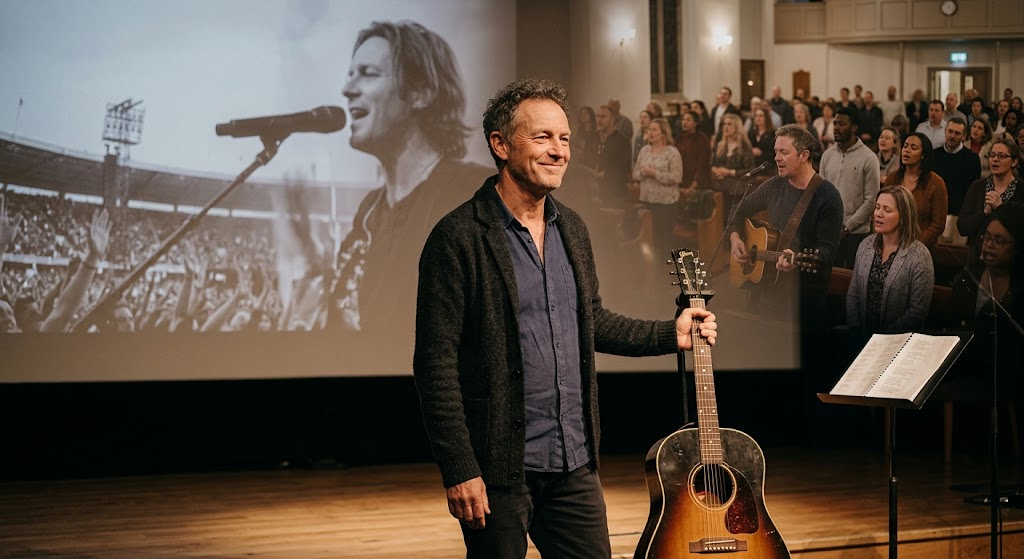
Martin Smith and Stu G are reuniting for one intimate evening in Nashville, a reminder that contemporary worship has been around long enough to develop nostalgia, lineage and generational memory.
Thirty years into a country career, Mark Wills says gospel music once felt too sacred for him to approach. His new record argues that reverence and participation do not have to be opposites.
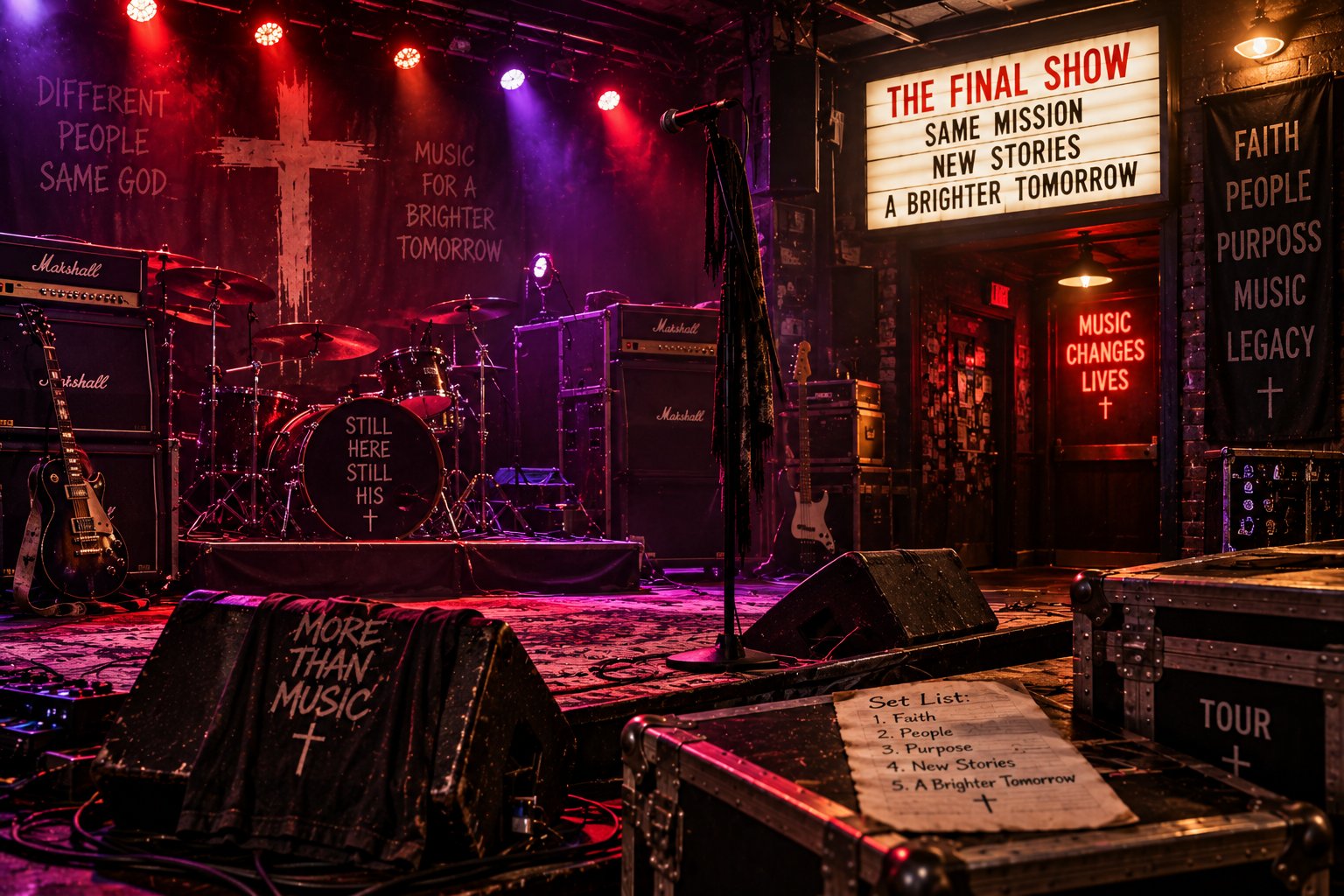
After more than four decades, BRIDE is preparing to leave the American stage with one final show, closing a chapter of Christian rock history that once existed far from mainstream approval.
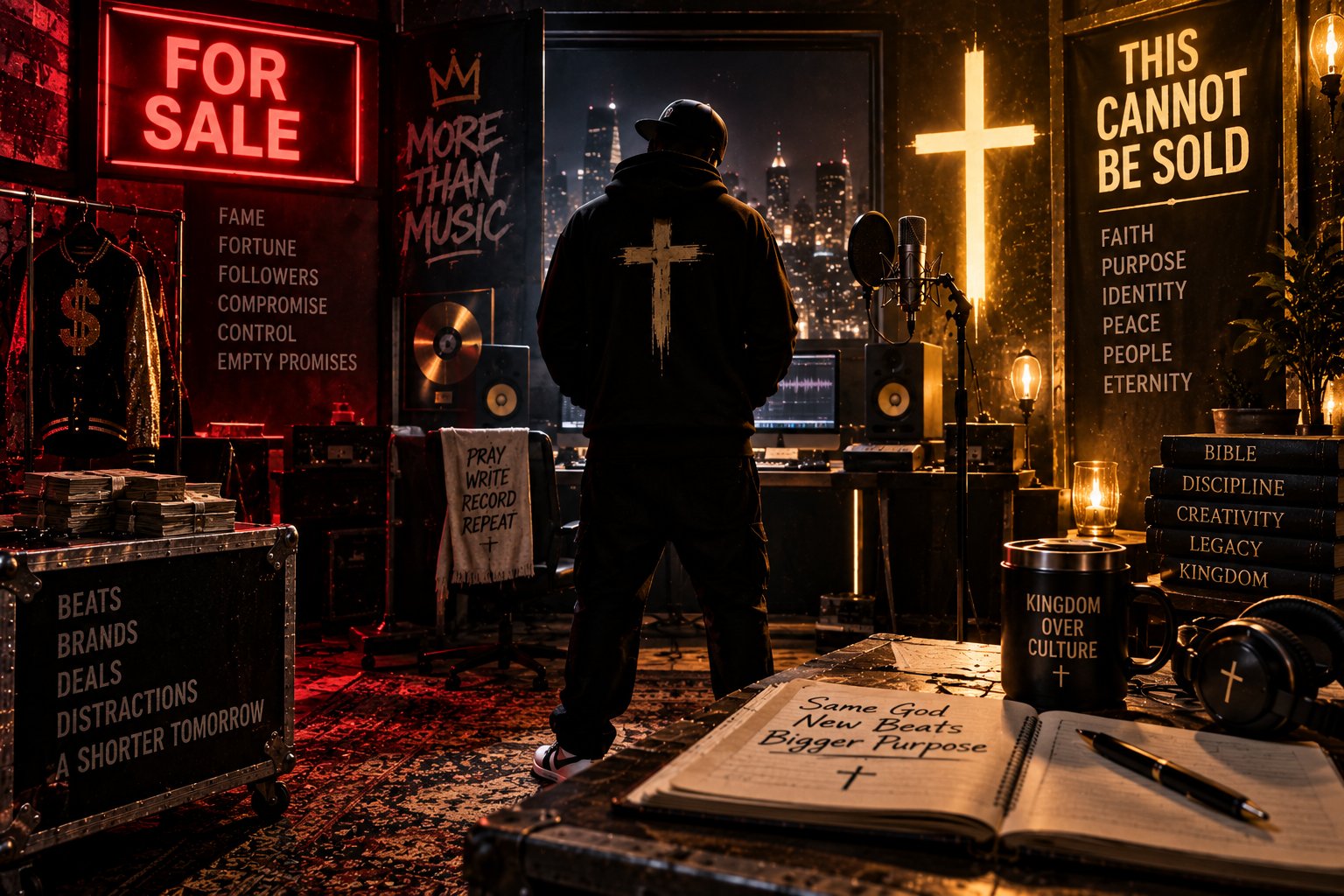
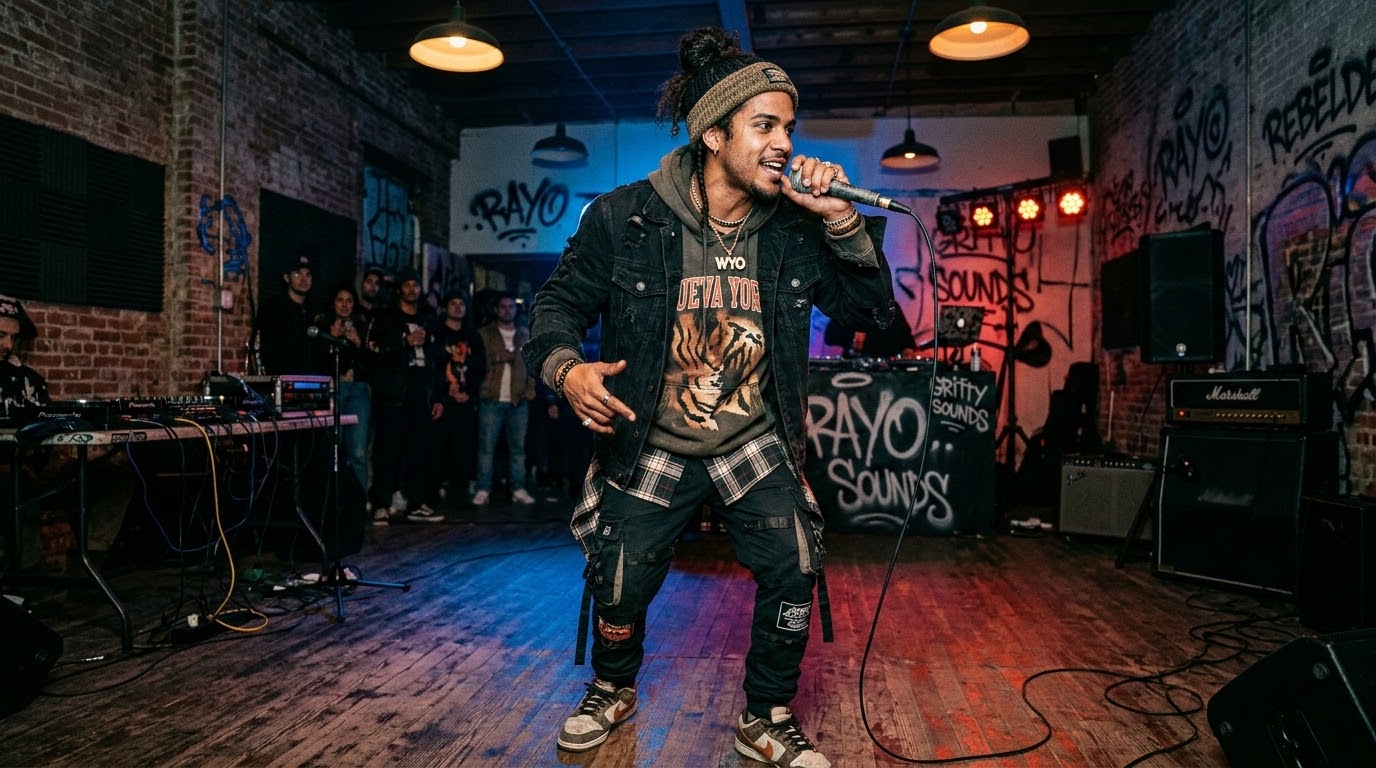
The rapper’s new project argues that faith becomes distorted when every conviction, wound and identity can be converted into content.
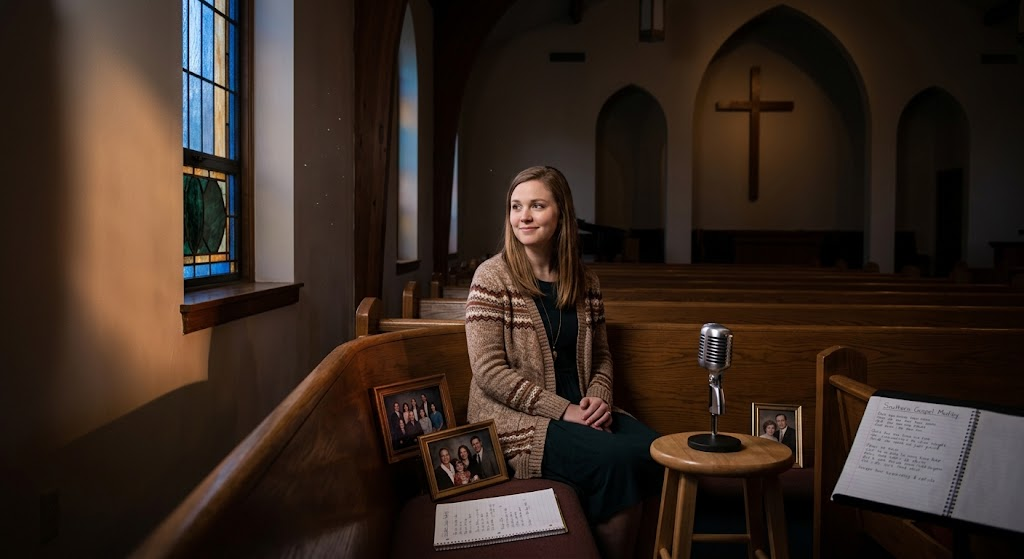
The worship songwriter had already written and recorded the music. Now his team is releasing a final album while the people who knew his songs are still grieving.
The final performer list mixes worship, gospel, country crossover and a Dolly Parton tribute under a theme built around unity.
A new memorial to J.R.R. Tolkien will place him near C.S. Lewis, recognizing not only literary achievement but an extraordinary friendship that shaped fantasy, faith and public imagination.
A crowdfunded experiment that began with no guaranteed audience has wrapped seven seasons after reaching hundreds of millions of viewers worldwide.
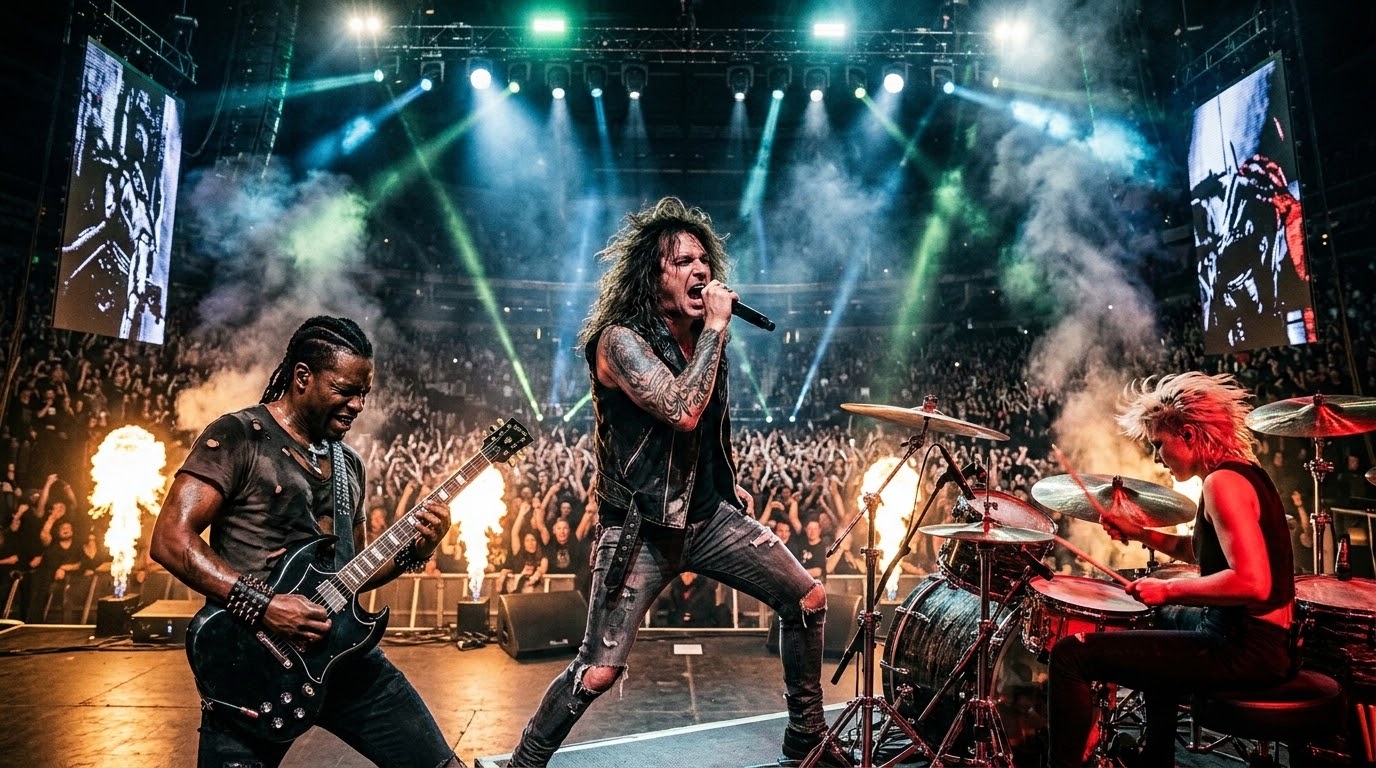
The Christian metal veterans say the point of making music was never supposed to disappear simply because the business model changed.
The Smashing Pumpkins frontman says he decided honesty about Jesus mattered more than the possibility that explicit faith could damage his career.
The boxer says the peace he felt before defending his title began before the knockout — in a locker room filled with worship music and prayer.
After Grammy Awards, chart records and decades of gospel influence, Winans is doing something she has somehow never done before: headlining arenas under her own name.
A new for KING + COUNTRY collaboration frames Simpson’s return not only as a career reboot but as a spiritual recovery tied to Tennessee and the faith of her youth.
The NBA star did not enter a livestream to preach. The conversation drifted from artificial intelligence to mortality, religion and the claims of Christianity.
Greta Gerwig’s decision to cast Streep as the voice of Aslan has triggered debates about faithfulness, symbolism and what adaptation owes the imagination of its readers.
The country star behind “A Bar Song (Tipsy)” says his Western narrative eventually became a story about sin, death, grace and bringing a life to God.
“God I’m Just Grateful” became the first Billboard Hot 100 entry for both artists, crossing from Christian-chart dominance into the all-genre national ranking.
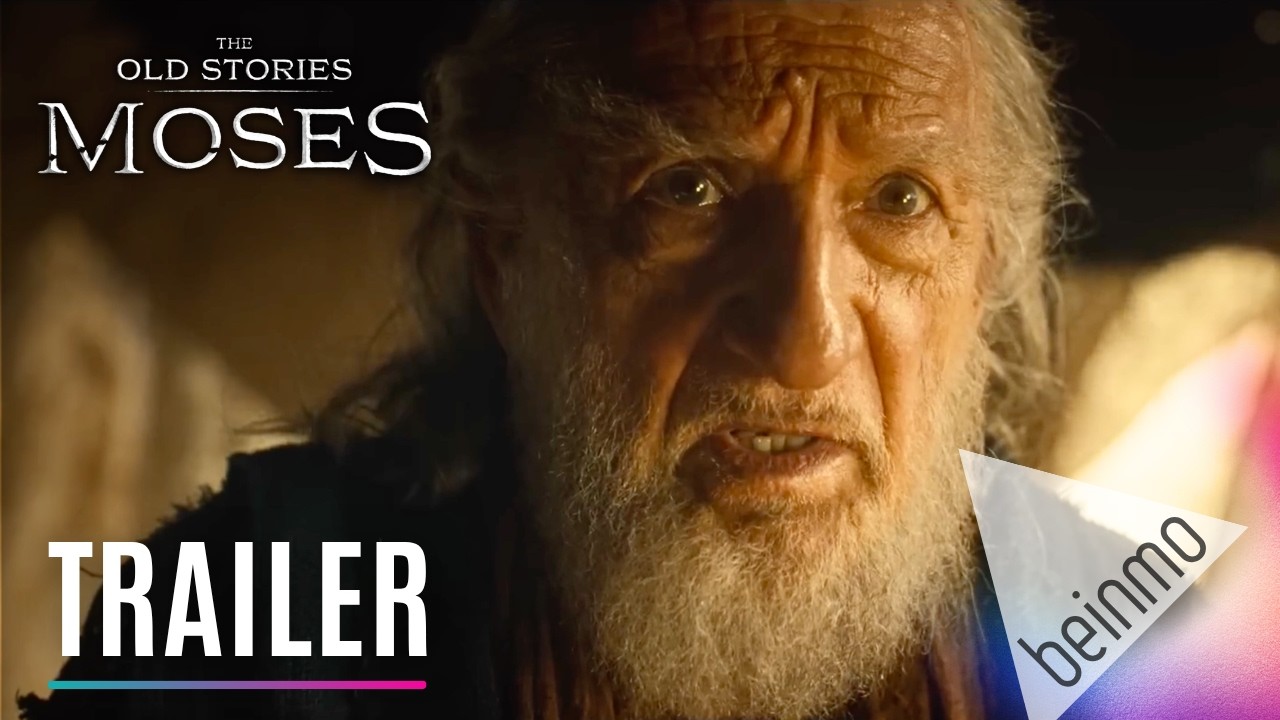
A new theatrical film with recognizable actors and Christian-music figures around its premiere treats a familiar Sunday-school story as cinematic material rather than devotional homework.
The surprise some older fans expressed at Queen’s headliner status says less about his audience than it does about how quickly the center of Christian music has shifted.
In a new conversation around “The Uprising,” Garfield again refuses easy religious categories while arguing that spirituality belongs beside questions of justice.
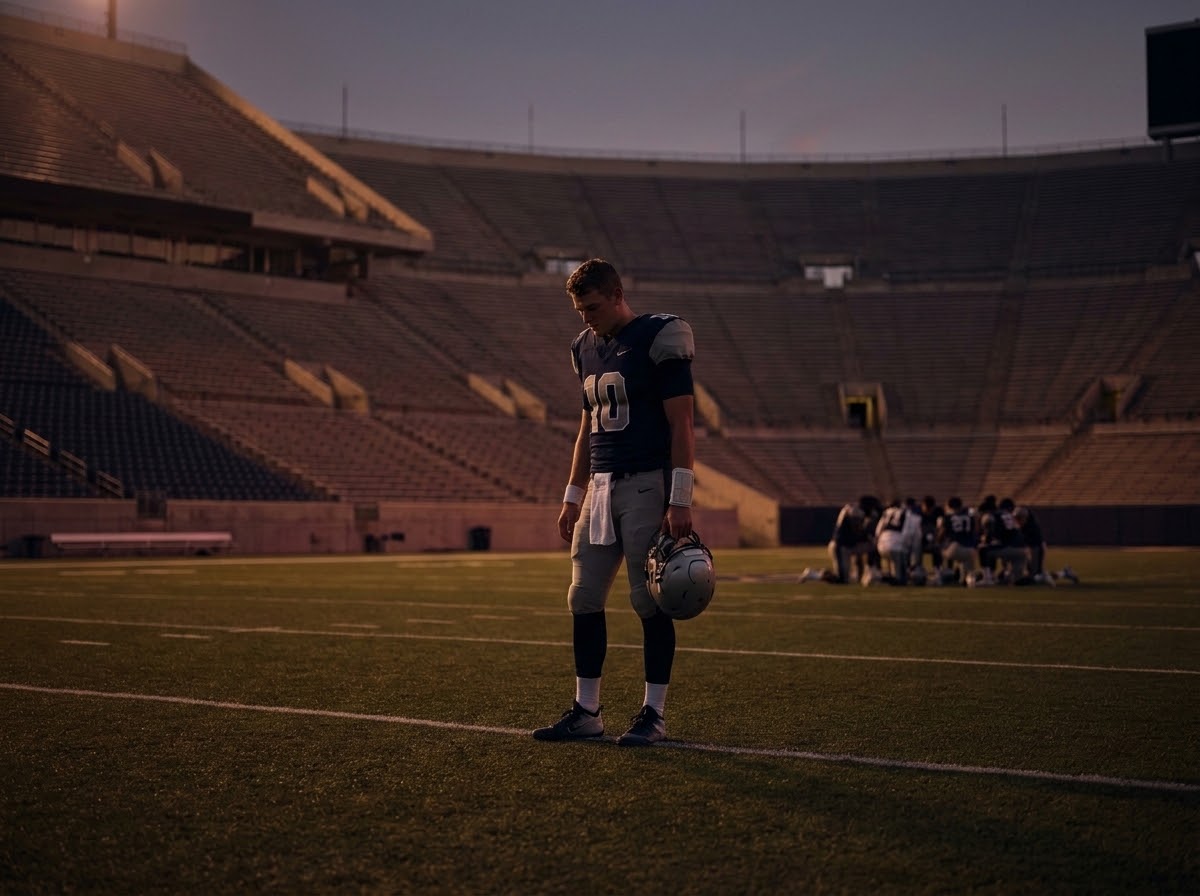
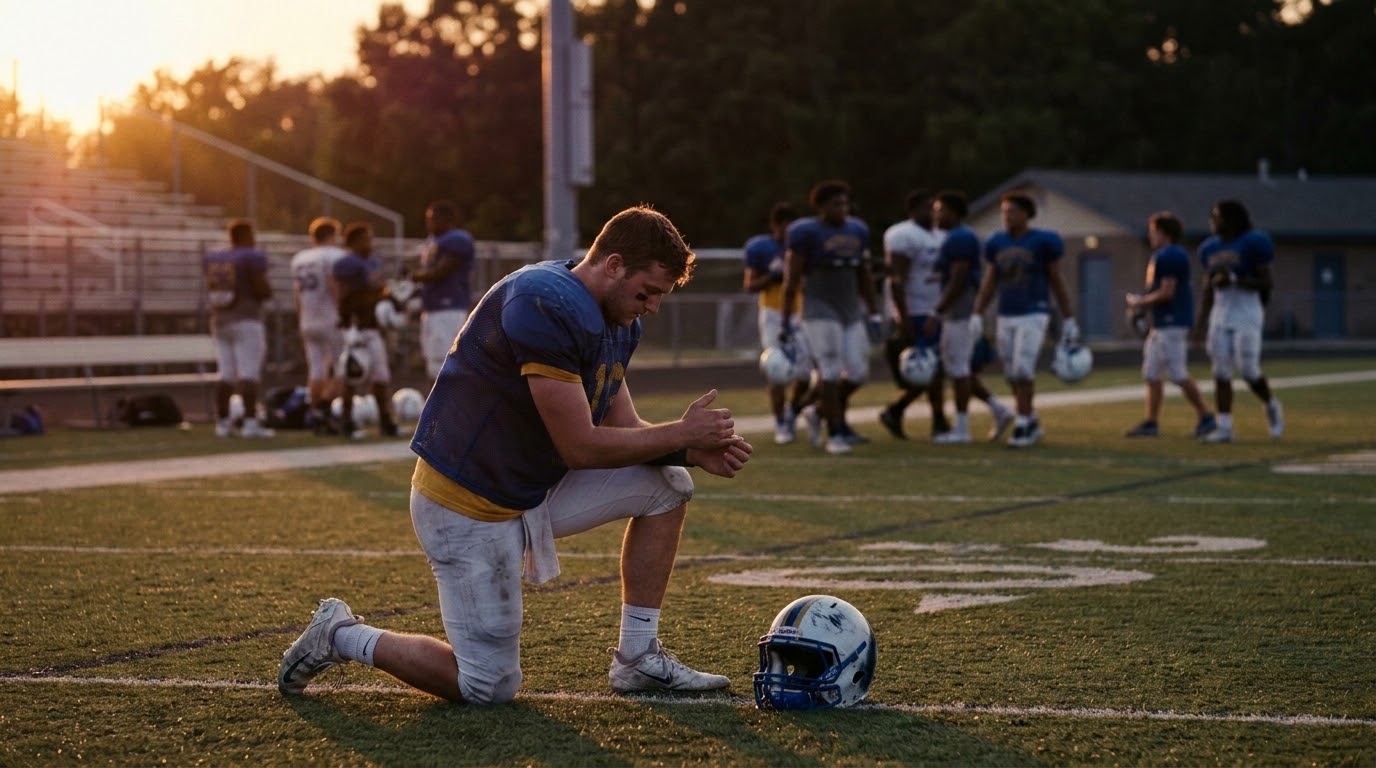
The Broncos quarterback grew up watching Tim Tebow. Now he is navigating the same question: what should a public Christian do with a sports platform?
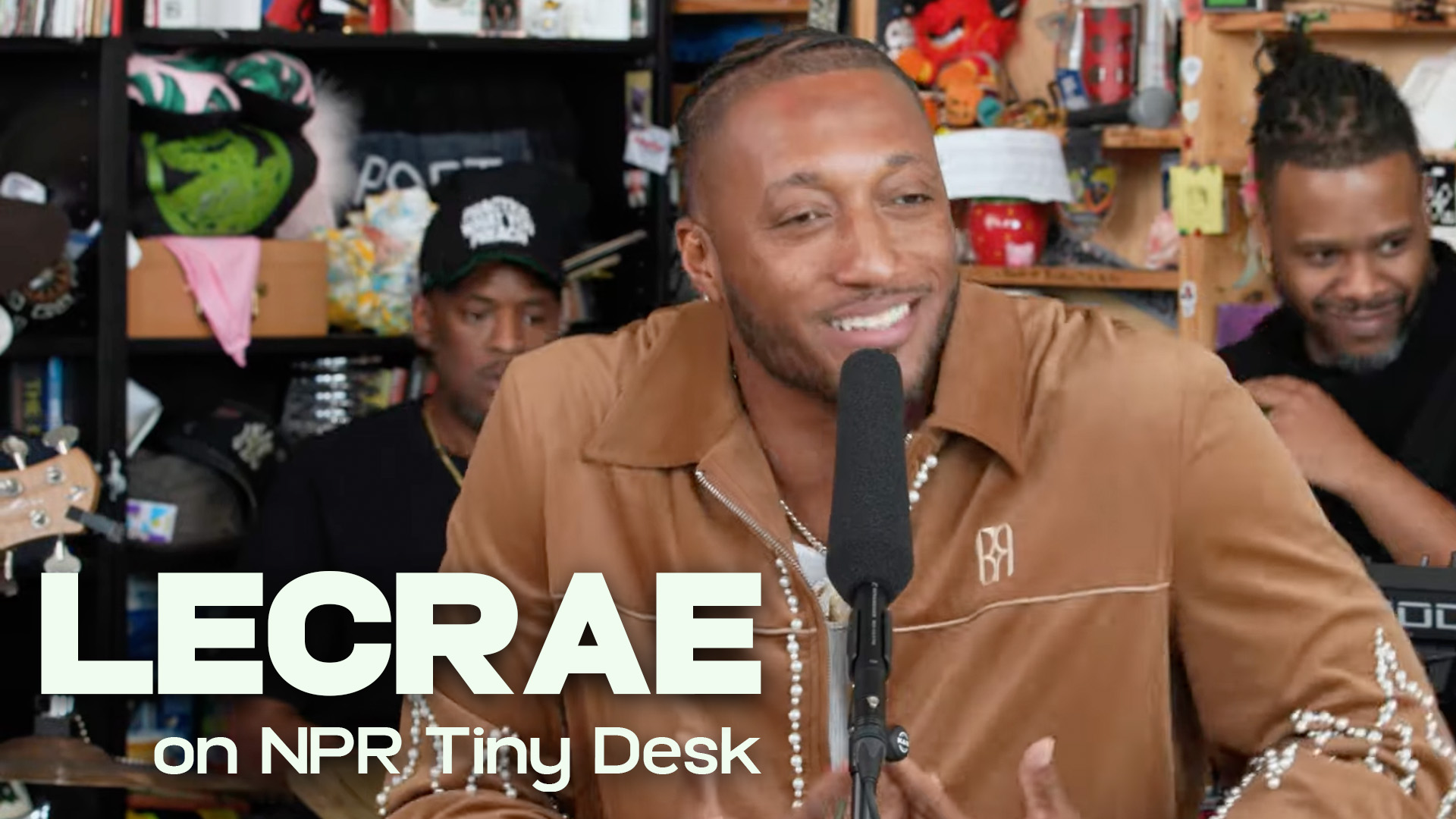
On NPR’s famously unforgiving stage, Kelly performed songs from “God Must Really Love Me” with little room for spectacle and nowhere to hide the voice.
Five years after stepping back from worship music, Cory Asbury is returning with a new record and a different relationship to the role.
Creed has spent decades rejecting the “Christian band” label. That did not stop its frontman from pausing a festival set to sing worship.
Five for Fighting’s “Superman” was not written as a national lament. History turned it into one anyway.
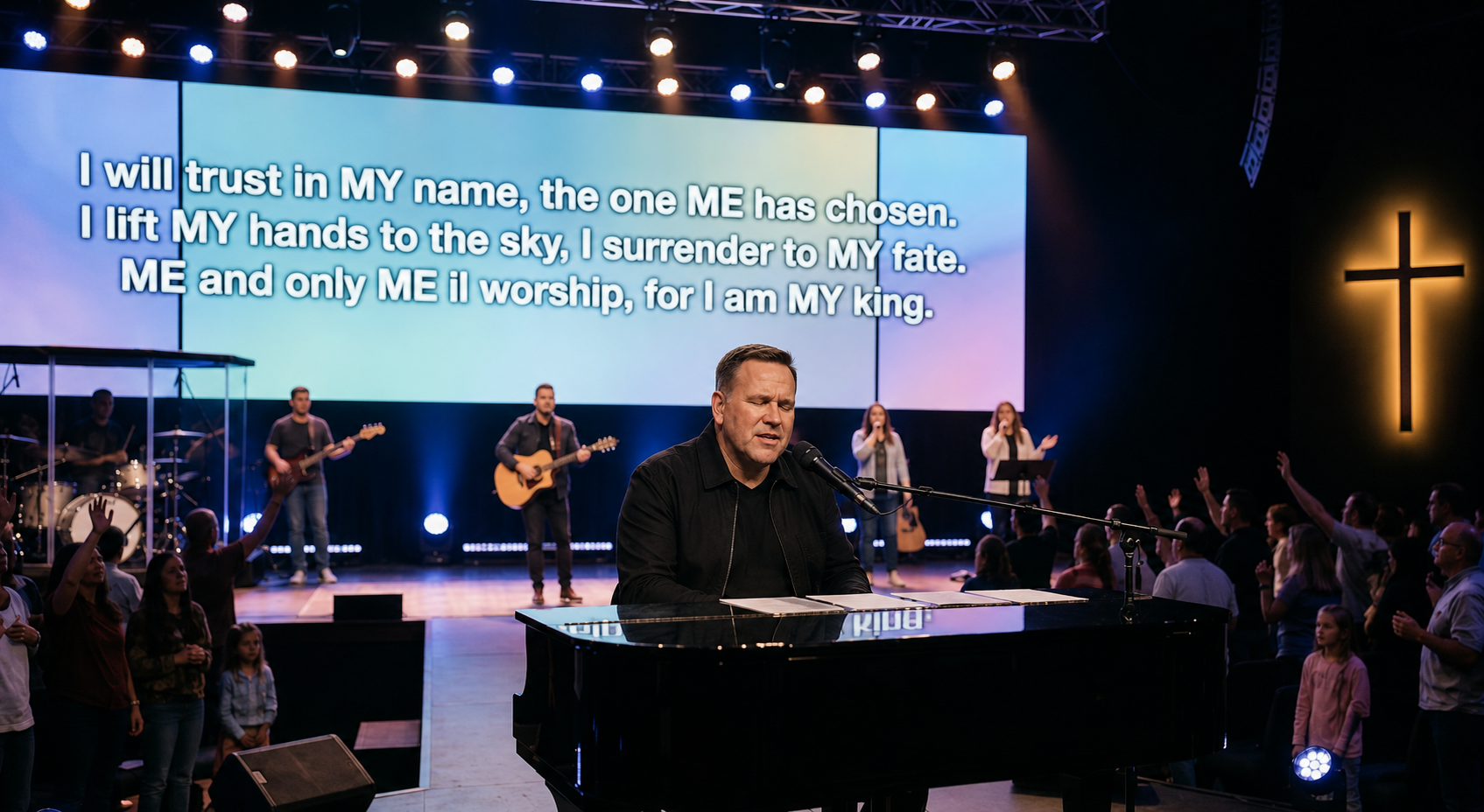
A new SEU Worship project pushes back on a modern Christian vocabulary that can sometimes make surrender sound like a permanent state of exhaustion.
For years, Gable Price and Friends tried to keep one foot in alternative music and another in explicitly Christian storytelling. Price now says the ambiguity had started to feel less like freedom and more like avoidance.
Gospel Music Never Needed Permission From Pop Culture to Become Culture.
the Christian Subculture Just Collided With Global Pop Culture in the Strangest Way Possible.
Christian Music May Finally Be Growing Up With Its Audience.
Christian Culture Has Confused Youth With Relevance for Far Too Long.
She Spent a Lifetime Refusing to Choose Between Faith, Fame and Loving Everybody.
Faith Gets More Complicated When You Have Something to Lose.
Christian Music Keeps Confusing Encouragement With Worship.
Celebrity Faith Is Most Interesting When It Happens Before Anyone Turns It Into a Campaign.
Faith Content Does Not Always Need to Sound Important to Be Important.
Spiritually Serious Music Does Not Have to Live in the Christian Section.
Christian Music’s Geography Has Changed.
Christian Artists Should Be Allowed to Have More Than One Musical Language.
Bigger Is Not Always More Honest.
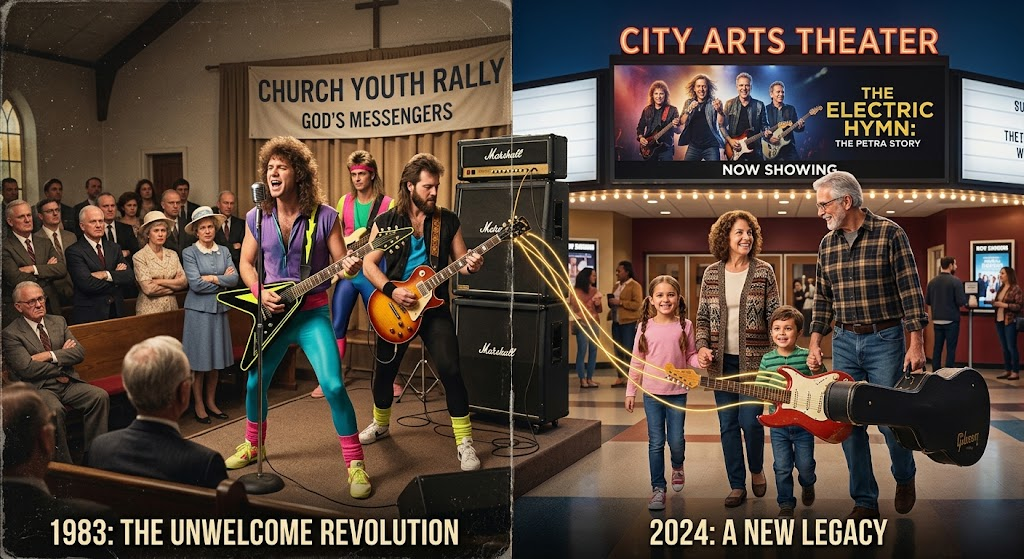
Yesterday’s “Dangerous” Christian Music Became Today’s Heritage.
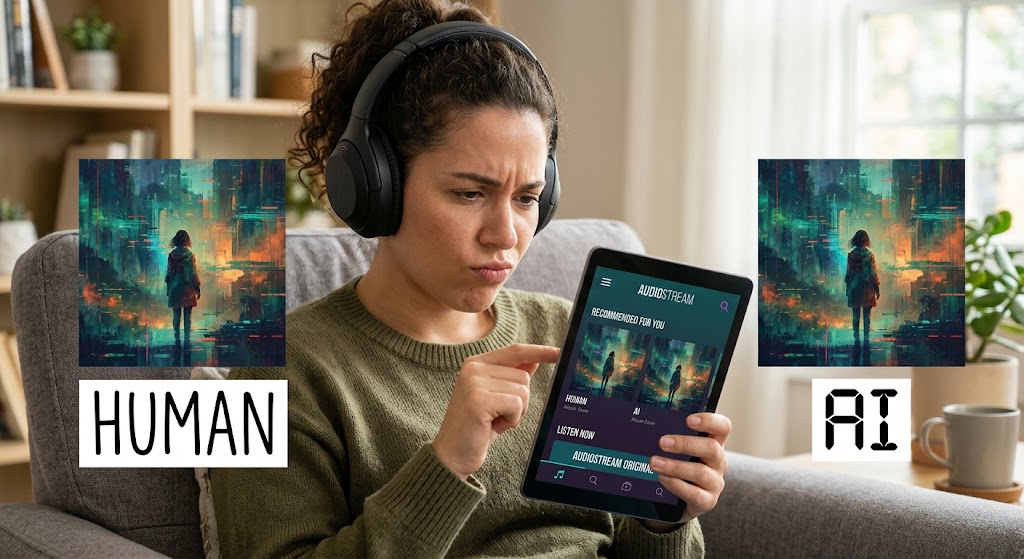
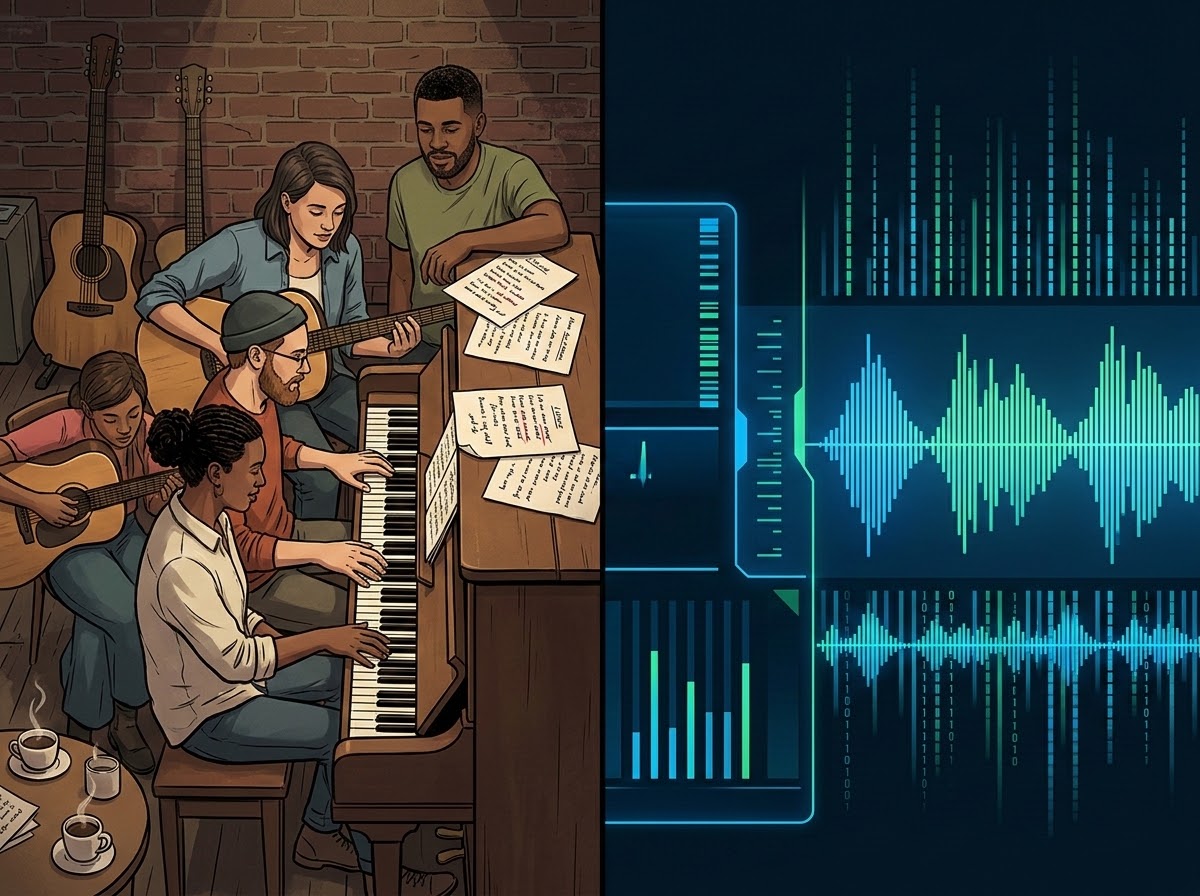
We’re About to Find Out Whether Listeners Care Who—or What—Made the Song.
Growing Up Famous May Require Learning How to Become Invisible Again.
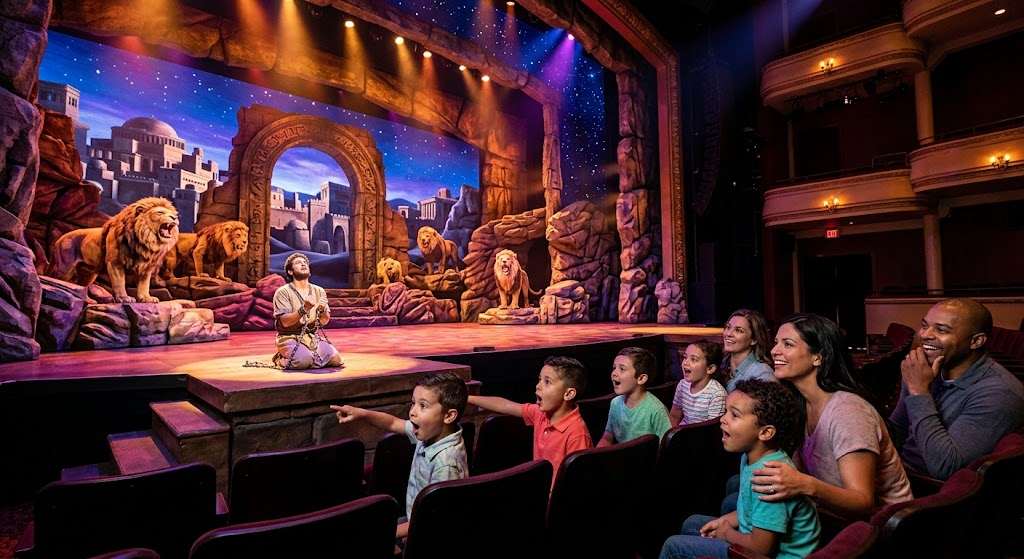
Christian Kids’ Entertainment Is Finally Competing on Experience, Not Just Message.
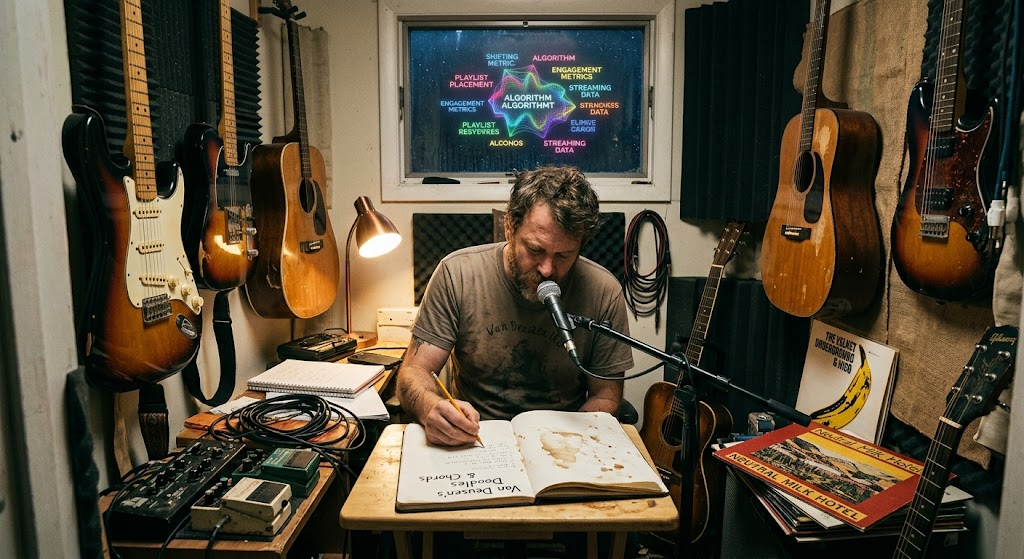
the Algorithm Is Training Artists to Think Smaller Than Art.
Christian Music Is Strongest When It Refuses to Pretend Pain Makes Sense.
Sometimes the Most Important Creative Move Is Leaving Long Enough to Become Someone Else.
Even Superhero Movies Finally Understand We’re Starving for Connection.
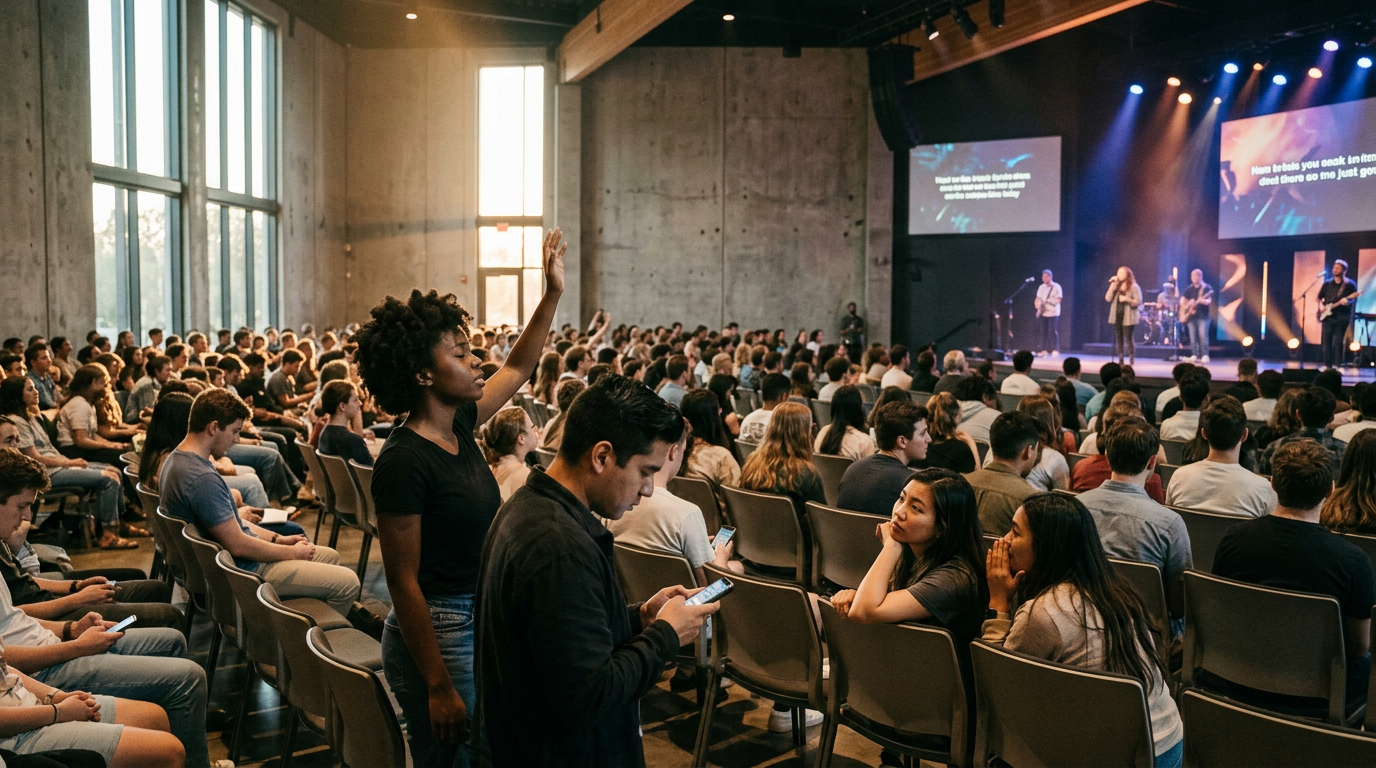
Attendance and Formation Are No Longer the Same Metric.
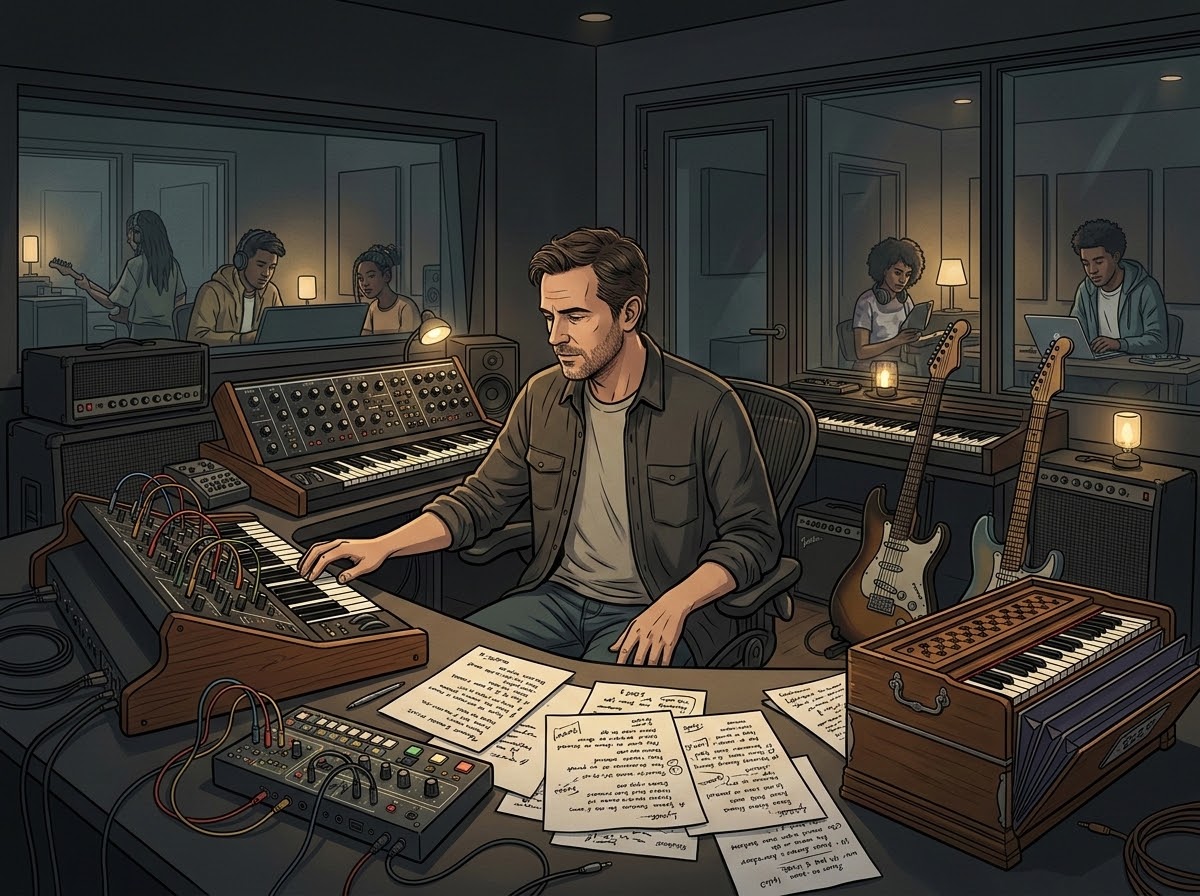
Sometimes the Most Interesting Artist in the Room Was the Producer.
Gen Z Christian Music Is Done Pretending Testimony Only Happens After the Miracle.
the Next Breakout Star Probably Doesn’t Need Another Algorithm — They Need a Scene.
Christian Music Finally Seems to Understand That Memory Is Infrastructure.
the Next Christian Media Battle Isn’t Radio — It’s Relevance Without Pandering.
Worship Music Is Becoming Cultural History While We’re Still Singing It.
Christian Entertainment Is Finally Learning That Audiences Want People, Not Just Characters.
Sports Culture Desperately Needs a Definition of Success Bigger Than Winning.
Christian Creators Need to Decide What Human Creativity Is Actually Worth.
Celebrity Faith Is More Interesting When the Celebrity Admits He Isn’t the Expert.
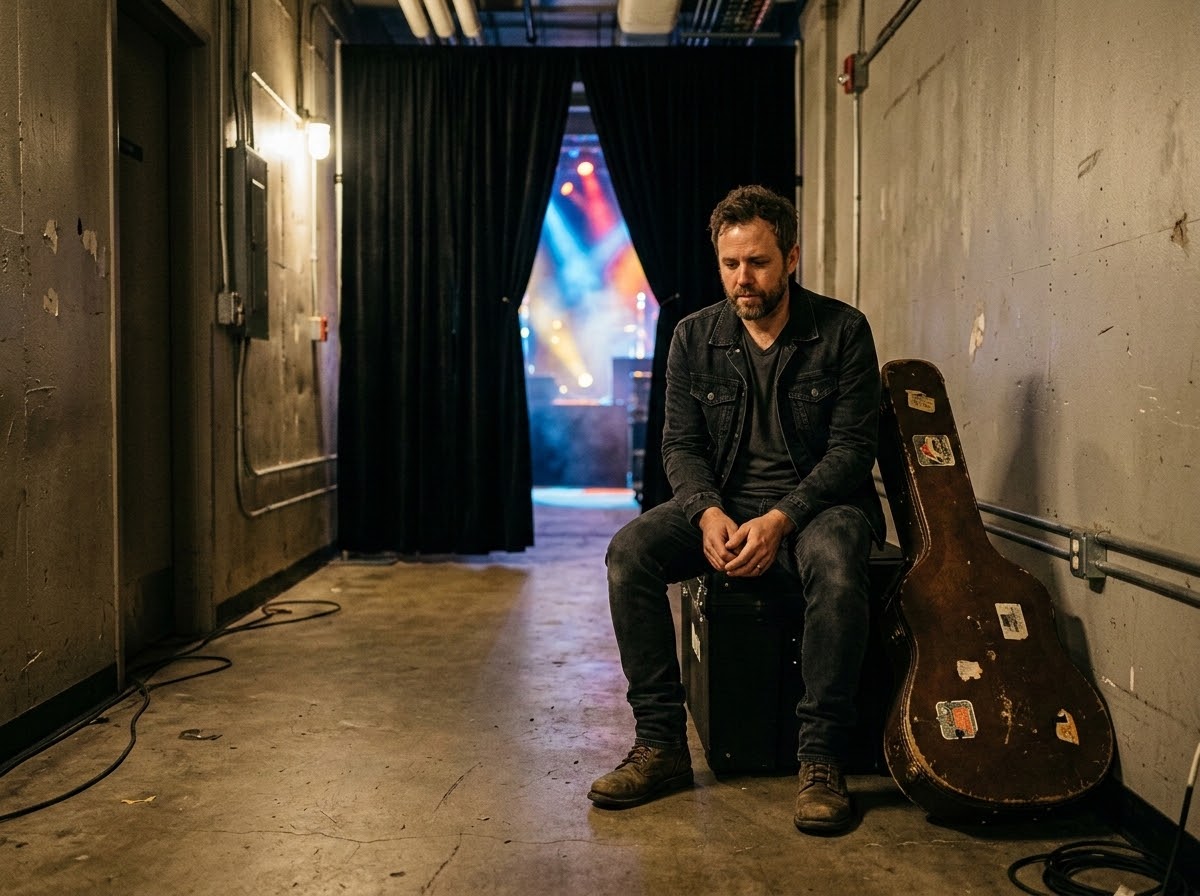
the Person on Stage and the Person Going Home Shouldn’t Become Strangers.
Safe Music Eventually Becomes Invisible Music.
Christian Music Needs More Stories Where Leaving Isn’t the Same Thing as Failing.
Sports Still Gives Christianity One of Its Few Public Languages for Destiny Without Irony.
Public Gratitude Is Becoming One of the Riskiest Things a Celebrity Can Say Out Loud.
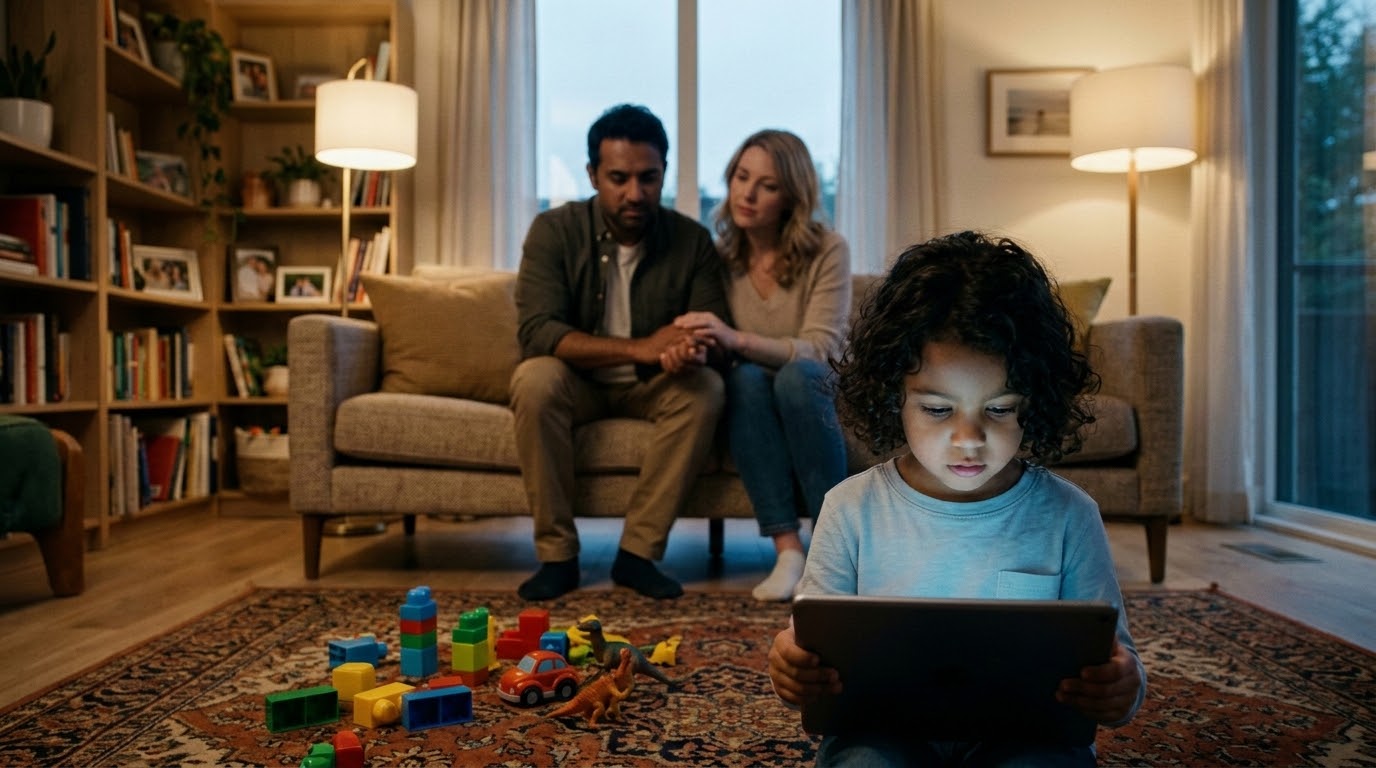
Pop Culture Is Finally Starting to Admit That Screens Are Forming Souls, Not Just Habits.
Gospel Legacy Still Knows How to Enter the Room Without Explaining Itself.
Faith No Longer Has to Sound Like a Sanctuary to Feel Spiritually Real.
Christian Rock Doesn’t Need to Be Rehabilitated — It Needs to Be Remembered as a Real Force.
Christian Pop Culture Is Healthiest When It Refuses to Age Out of Curiosity.
Christian Pop Culture Still Needs Elders Who Know How to Carry Legacy Without Freezing in It.
Christian Rap Has Finally Reached a Point Where It Can’t Be Treated Like a Side Conversation Anymore.
The Future of Faith-Based Art Belongs to Artists Who Sound Like Themselves First.
Christian pop culture is learning the difference between spectacle and presence.
Christian pop culture needs more public faith that sounds earned, not scripted.
Christian alt-rock was never just a sound — it was a way of being alive inside belief.
Christian pop culture is still learning how to handle it when secular platforms reframe sacred stories.
The industry finally ran out of stories that don't require something bigger than itself.
The genre has confused intensity with depth for too long.
Christian music nostalgia is strongest when it becomes memory with purpose.
Christian pop culture needs more honest outsider pressure.
Christian hip-hop no longer wants to sound like it's asking for permission.
Public redemption is more interesting than celebrity reinvention.
Christian celebrity is most credible when it stops performing for attention.
Christian nostalgia only works when it still feels alive.
Christianity still breaks through global pop culture through people, not platforms.
The real question is whether Christian pop culture knows how to handle wonder without panic.
Christian music is finally making room for artists who sound like they live in 2026.
People still want faith in public — just not in the old packaging.
The real reason faith-based entertainment is improving is not better marketing — it is better taste.
Christian creativity is getting more comfortable with genre — and less afraid of imagination.
Anne Wilson is rebranding conviction for a post-conformist age.
People are tired of performed victory — and CAIN is leading the correction.
Faith is no longer staying in its own lane — and CMA Fest proves it.
Christian pop culture is done asking permission to leave the building.
Conversion still has the power to interrupt the aesthetic scripts we expect people to follow.
Christian rock only feels dead until a band shows up like it still has blood in it.
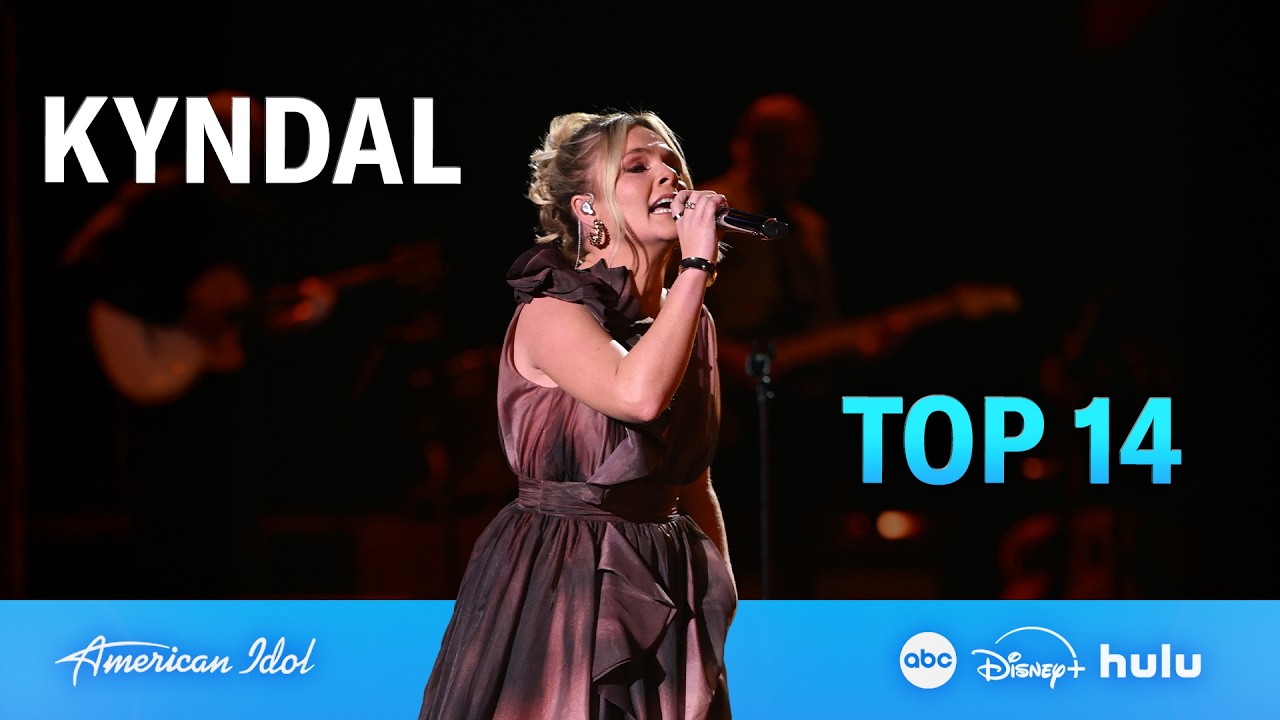
When all three American Idol finalists are outspoken Christians, it says something about where faith still sounds normal — and how witness travels best in mainstream spaces.
CCM Magazine’s wonderfully odd headline about Amy Grant and Disney reveals something important: Christian pop culture’s influence often outlives the moment people think it belongs to.
Religion News Service asks the sharpest Christian pop-culture question of the month: can virality create revival? Bryce Crawford’s rise makes the answer uncomfortable.
RELEVANT spotlights Christian EDM artists pushing worship into new sonic territory — and asking whether holiness must always arrive in familiar packaging.
RELEVANT rounds up the Bible show boom and asks the question the church should be asking too: what version of God is Hollywood making imaginable?
RELEVANT’s look back at Colbert’s best faith moments reveals what public Christianity looks like when it is neither defensive nor performative.
RELEVANT profiles Marty as a disruptive voice in Christian hip-hop — but the real disruption is whether Christian art still has room for honesty sharp enough to cut through performance.
A new docudrama featuring Francis Chan asks what happens when unity moves from slogan to practice — and whether modern Christianity is willing to pay the price.
Christianity Today interviews the daughter of an imprisoned Chinese pastor — and challenges Western advocacy to become more humble, more patient, and more teachable.
Christianity Today gives voice to a prayer most churches avoid — what trust in God looks like when the numbers simply do not stretch far enough.
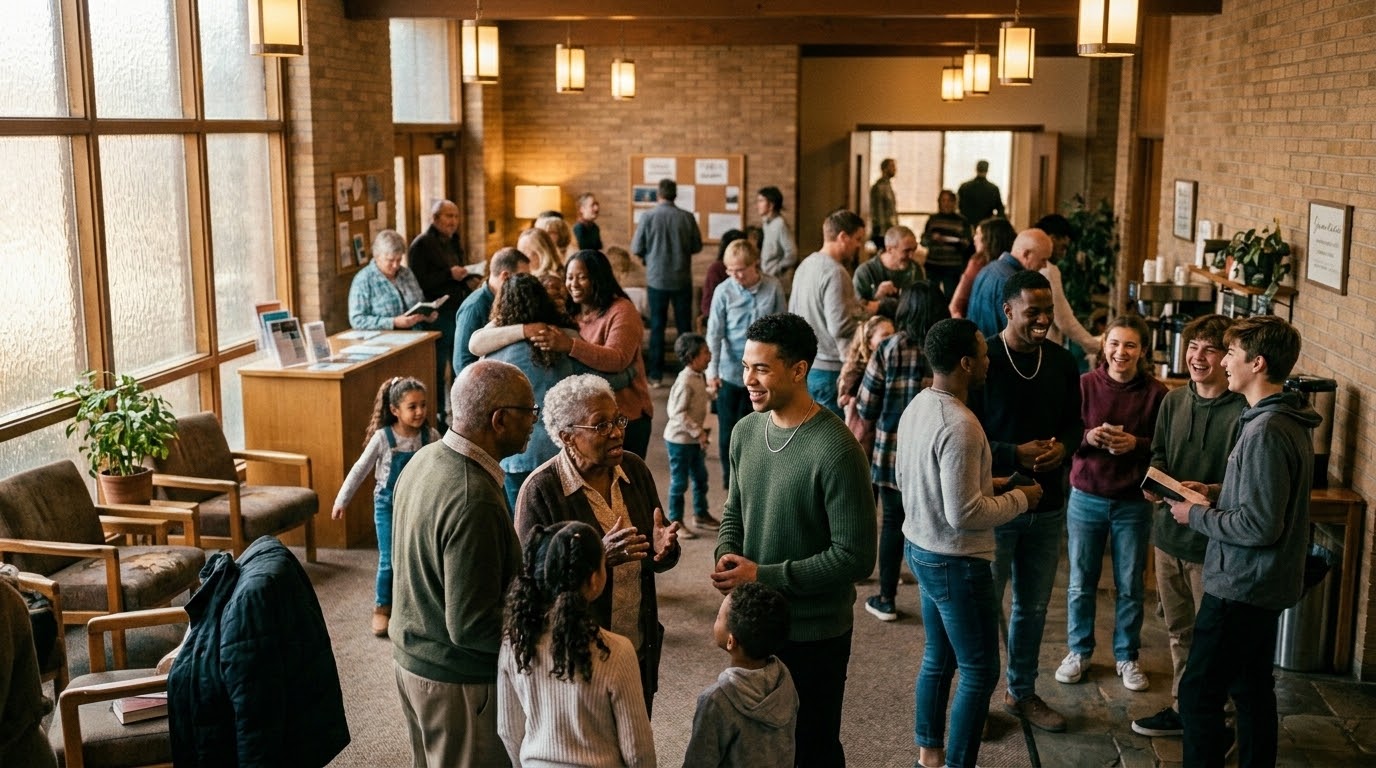
Christianity Today exposes one of modern faith’s most respectable evasions — praising the body of Christ while treating local congregations as optional.
People are hungry for sacred form — even without religion. Christianity Today asks whether the church will answer that hunger or keep flattening the very rituals people are searching for.
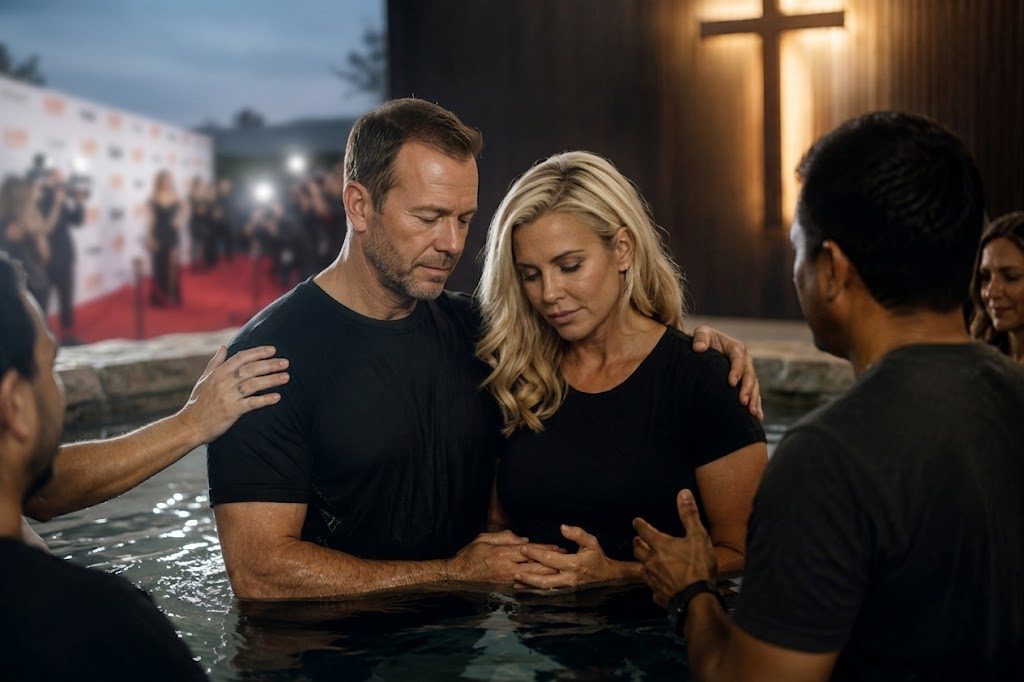
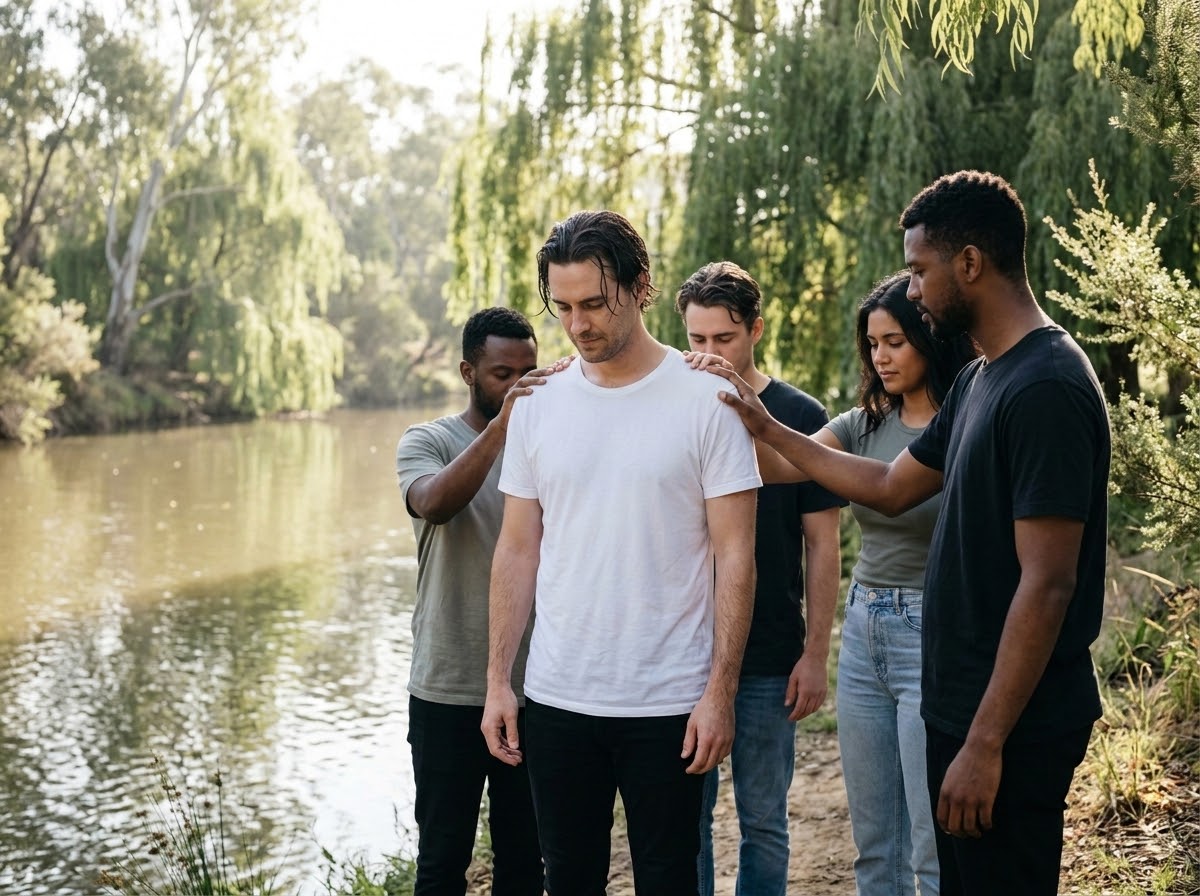
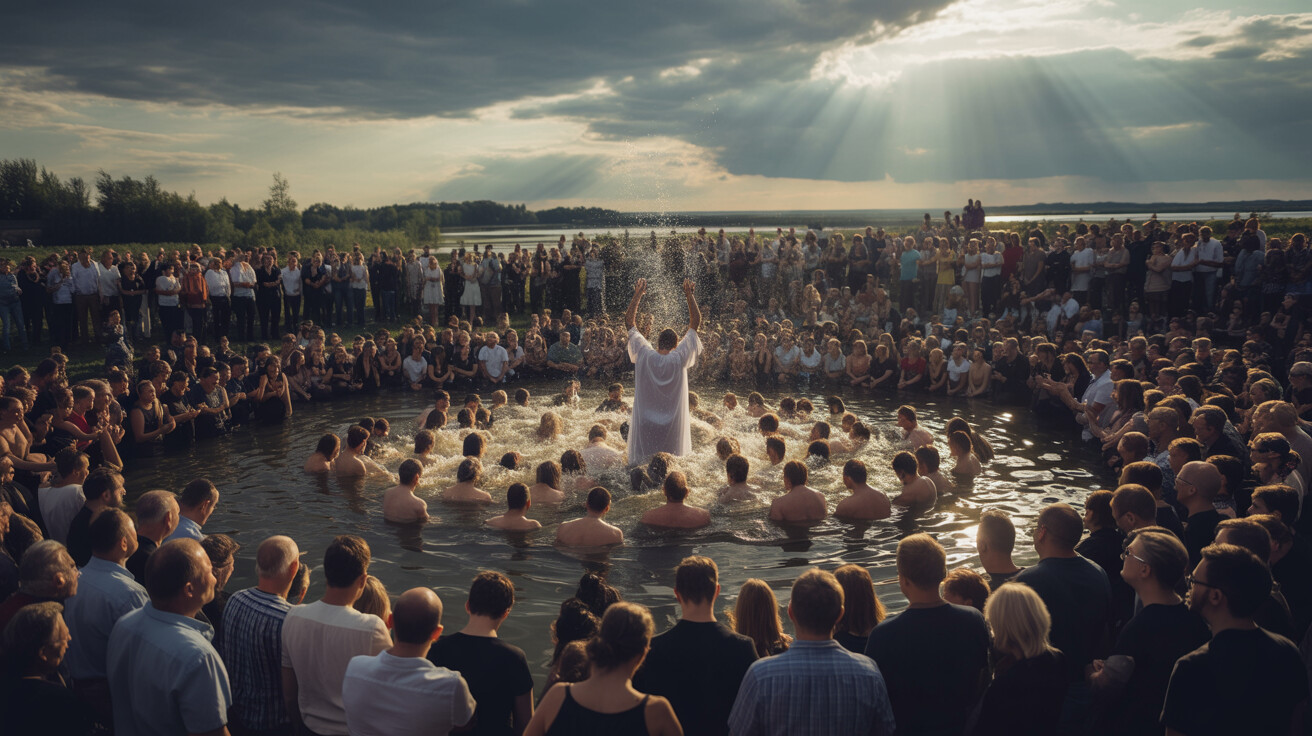
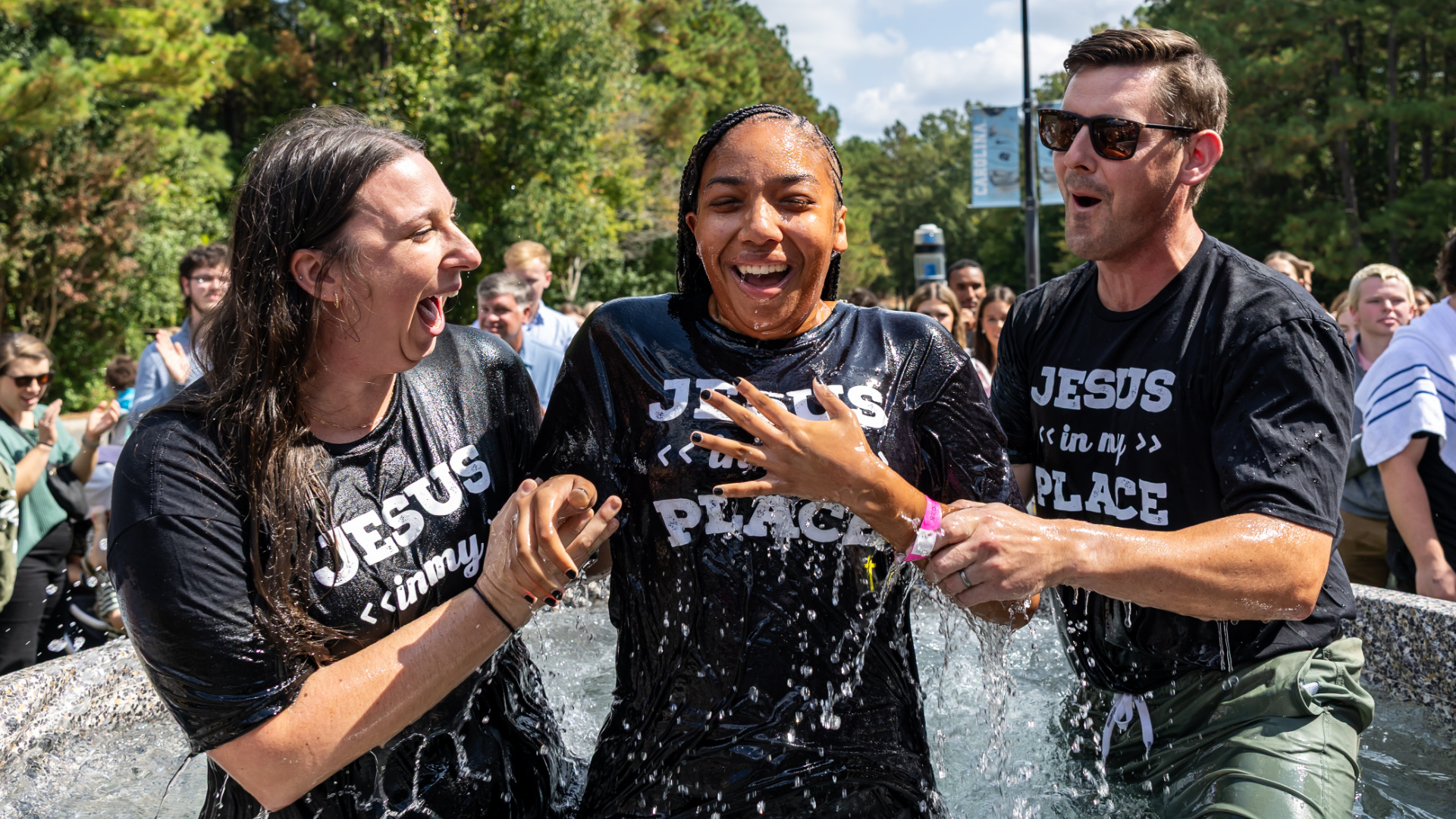
A synchronized global baptism could be a beautiful sign of unity. But the church must ask whether it is ready to form the people it welcomes into the water.
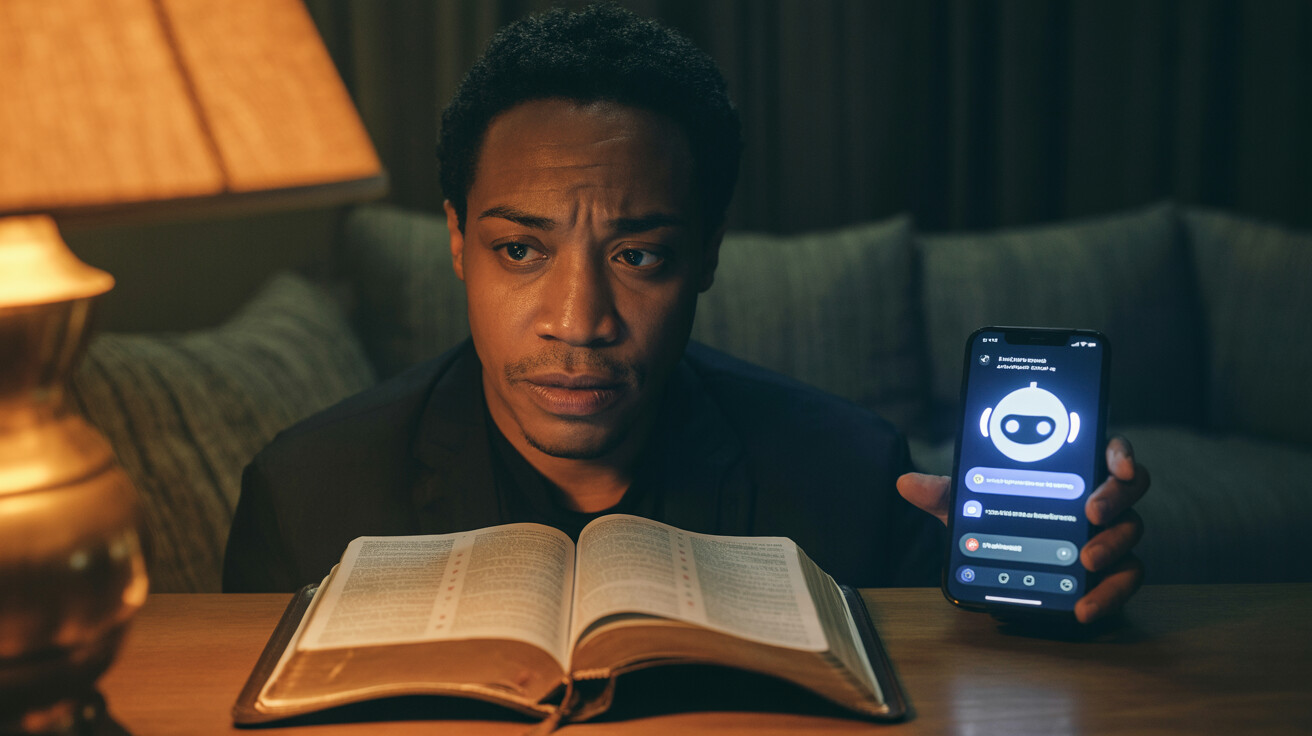
Christianity Today warns that frictionless faith may be the deepest risk of the AI age — not bad theology, but effortless understanding that never becomes real transformation.
The United Methodist Church's post-split road map raises a question every fractured community must face: surviving conflict isn't the same as healing from it.
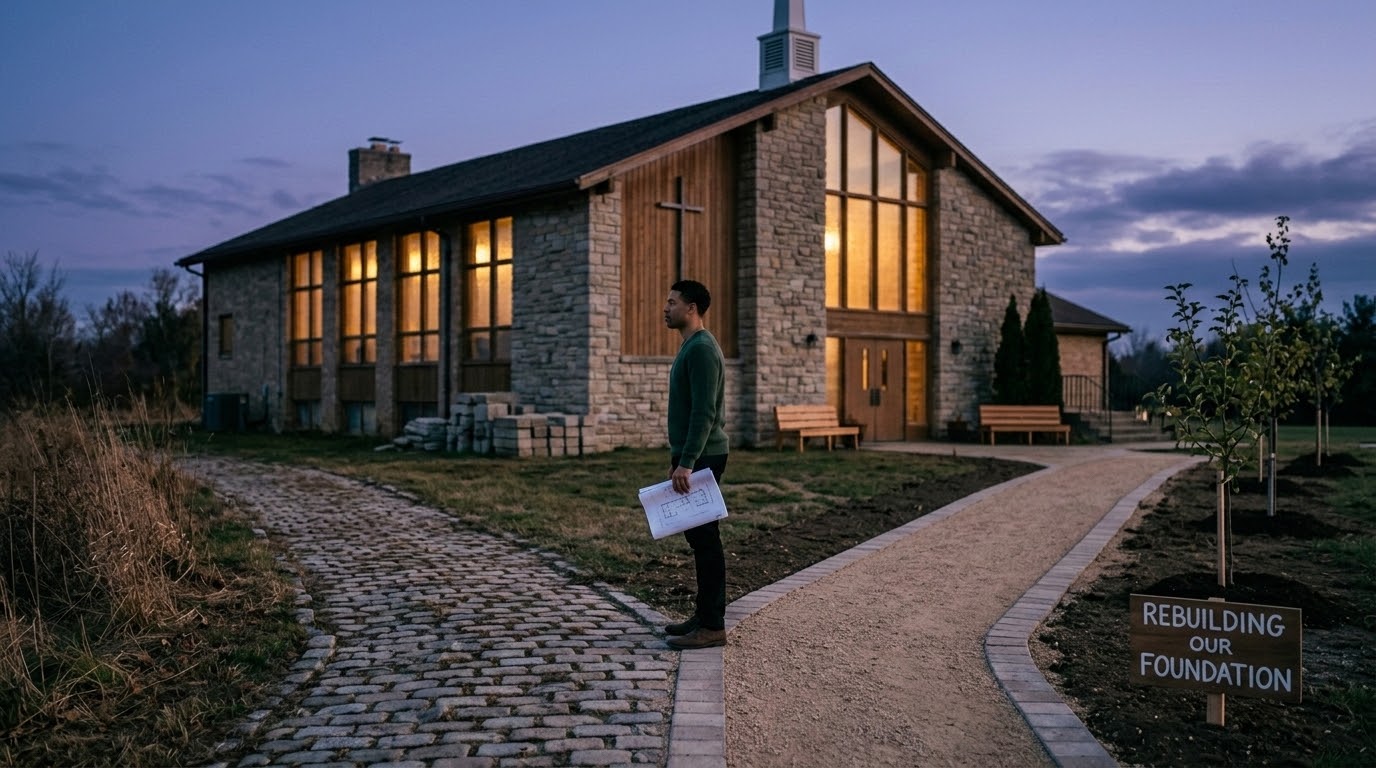
RELEVANT reveals the common thread among growing churches: they know what they are, what they believe, and what they're asking people to join.
Christianity Today's conversation with Douglas McKelvey reveals a void: young adults crossing into adulthood without spiritual markers or communal witness.
RELEVANT's interview reveals a crucial distinction: younger adults aren't chasing Christian identity — they're looking for Jesus.
Christianity Today's essay reveals how digital platforms don't just show us content — they train our ambitions, speech, and spiritual formation in ways most believers haven't reckoned with.
This was not just a music milestone. It was a legitimacy milestone — and modern Christianity should pay attention.
When one of pop culture’s biggest stages makes room for worship, the real question is not whether it was viral. It is whether it was true.
When a generation starts expecting spiritual renewal, the real question is whether they mean repentance, belonging, beauty, or simply relief from exhaustion.
The recent rise in adult baptisms and initiations matters. But the real story is not hype. It is hunger.
The question is not whether AI is useful. The question is what it is replacing.
When a mainstream stage makes room for worship, it says something bigger than entertainment.
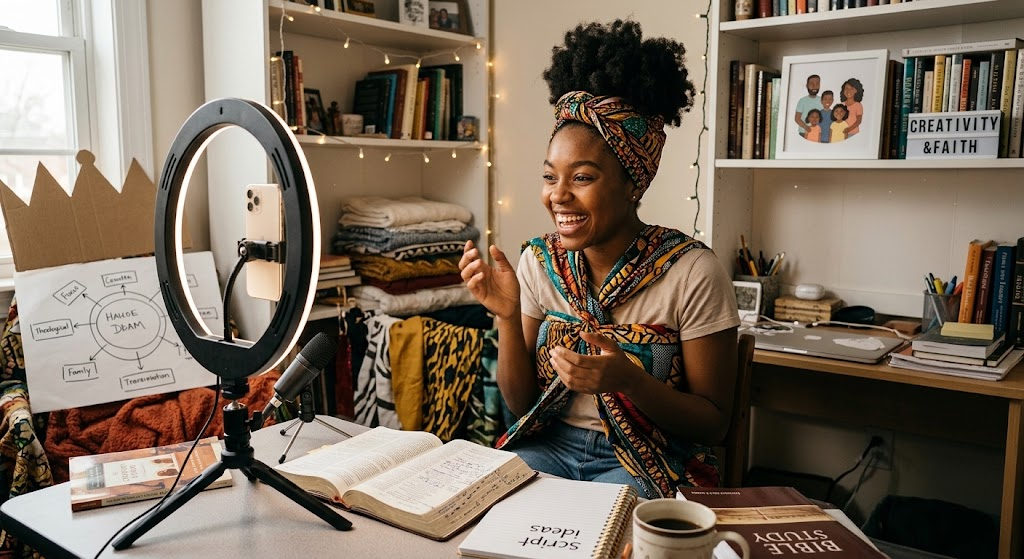
Christian creativity is not just making content anymore — it is entering the platforms people already live on.
The real question is no longer whether Bible stories can return — it is whether they can return with beauty and seriousness.
Platform expansion matters because it reveals what kind of faith-based voices people still want to carry with them.
This is not just about songs. It is about reaching people who feel shut out of church language.