Gable Price Is Done Dodging the “Christian Band” Question — and That Honesty May Be More Interesting Than the Label
For years, Gable Price and Friends tried to keep one foot in alternative music and another in explicitly Christian storytelling. Price now says the ambiguity had started to feel less like freedom and more like avoidance.
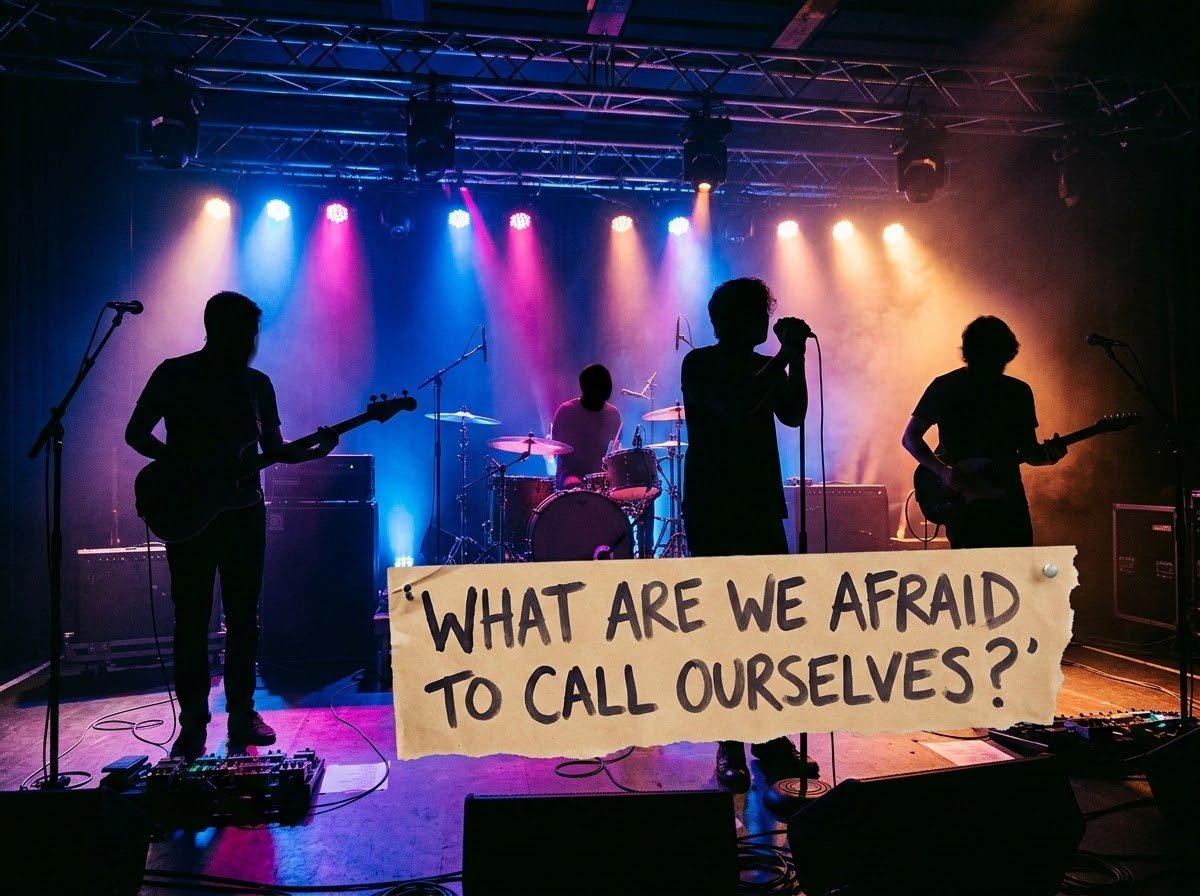
There is a particular anxiety that follows artists who grew up near the Christian music industry but do not want their work confined by it. The label can open doors, but it can also narrow expectations. It can tell audiences what a song is supposed to mean before the first chord arrives. For years, Gable Price and Friends lived inside that tension, answering the familiar question — “Are you a Christian band?” — with studied uncertainty.
That hesitation was understandable. The group wanted to play clubs, reach alternative-radio listeners and stand beside bands that were not organized around faith categories. Price told RELEVANT that the band had spent years “beating around the bush” because they did not want to be pigeonholed. Yet the more they chased distance from the category, the more he began to notice something uncomfortable: they were talking about God less than some artists who did not claim Christian belief at all.
The new candor is not a marketing pivot so much as an admission that the music had already answered the question. Price writes about Jesus, heaven, doubt, belonging and the fear that divine love might disappear. The fans had noticed. Other bands had noticed. The people still debating the identity most intensely were the members themselves.
The cultural significance is larger than one indie-rock group. Christian artists have spent decades negotiating a false binary: either accept the Christian label and all of its commercial baggage, or escape the label by making faith sufficiently vague. A younger generation seems less interested in that bargain. They want to make art that can live in general-market rooms without pretending the convictions underneath it are accidental.
That does not mean every song needs to become a sermon. In fact, the more interesting possibility is the opposite. An artist can be explicit about the worldview shaping the work while still writing complicated songs about fear, romance, failure, boredom and doubt. The honesty is in refusing to hide the source material simply because the category has become unfashionable.
Price’s shift arrives as the band begins its biggest headline tour yet. That makes the timing important. It is one thing to embrace a label when the label is useful; it is another to stop dodging it at the very moment you are trying to grow beyond the audience most likely to reward you for doing so.
Maybe the next phase of Christian music will be less concerned with whether an artist belongs inside a designated market and more concerned with whether the artist is telling the truth about what formed them. Gable Price and Friends may still resist every neat industry box. But Price no longer seems interested in pretending Jesus is merely subtext. That kind of clarity could be more freeing than the ambiguity was.
Sponsored


Need a steadier next step for real life? Try ZUL Daily Verse for a Bible verse, a modern-day translation, and 3 practical actions for today.
Try ZUL Daily Verse