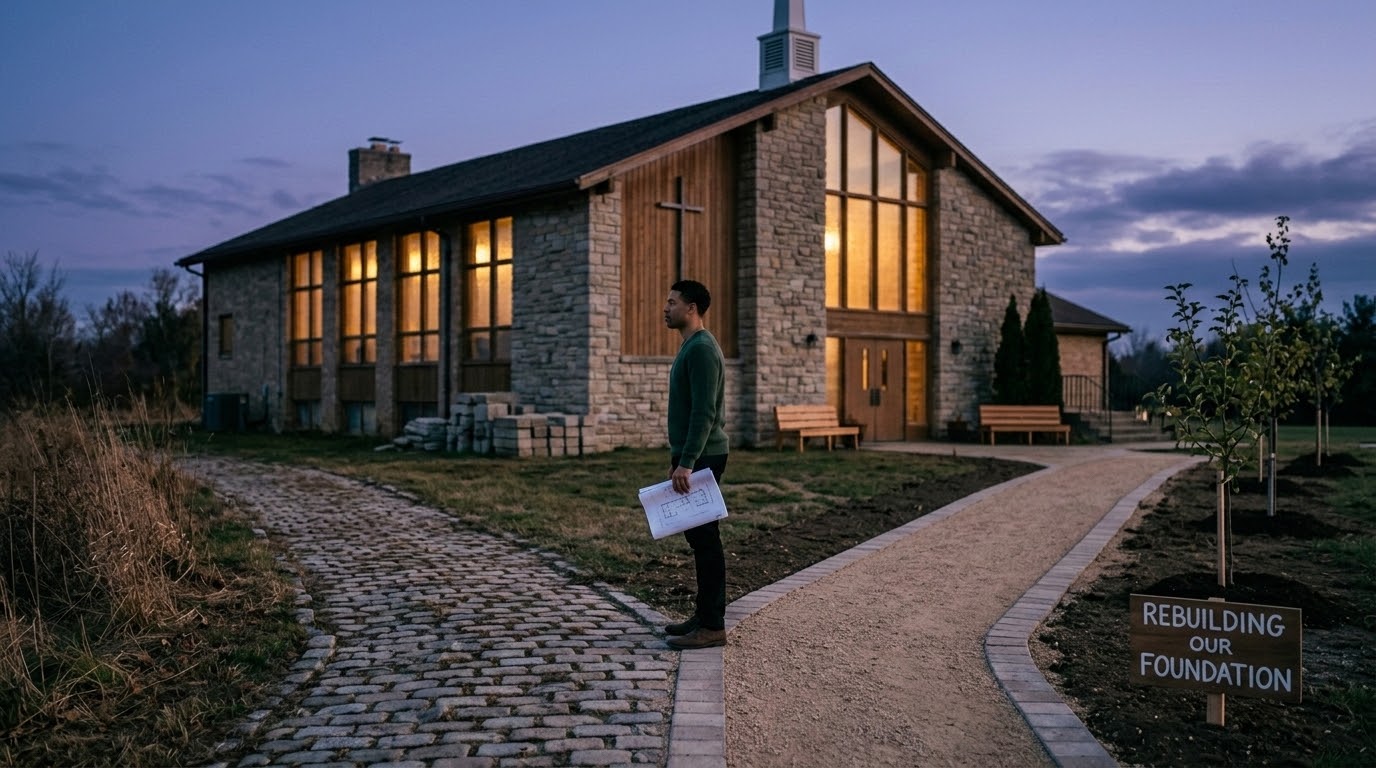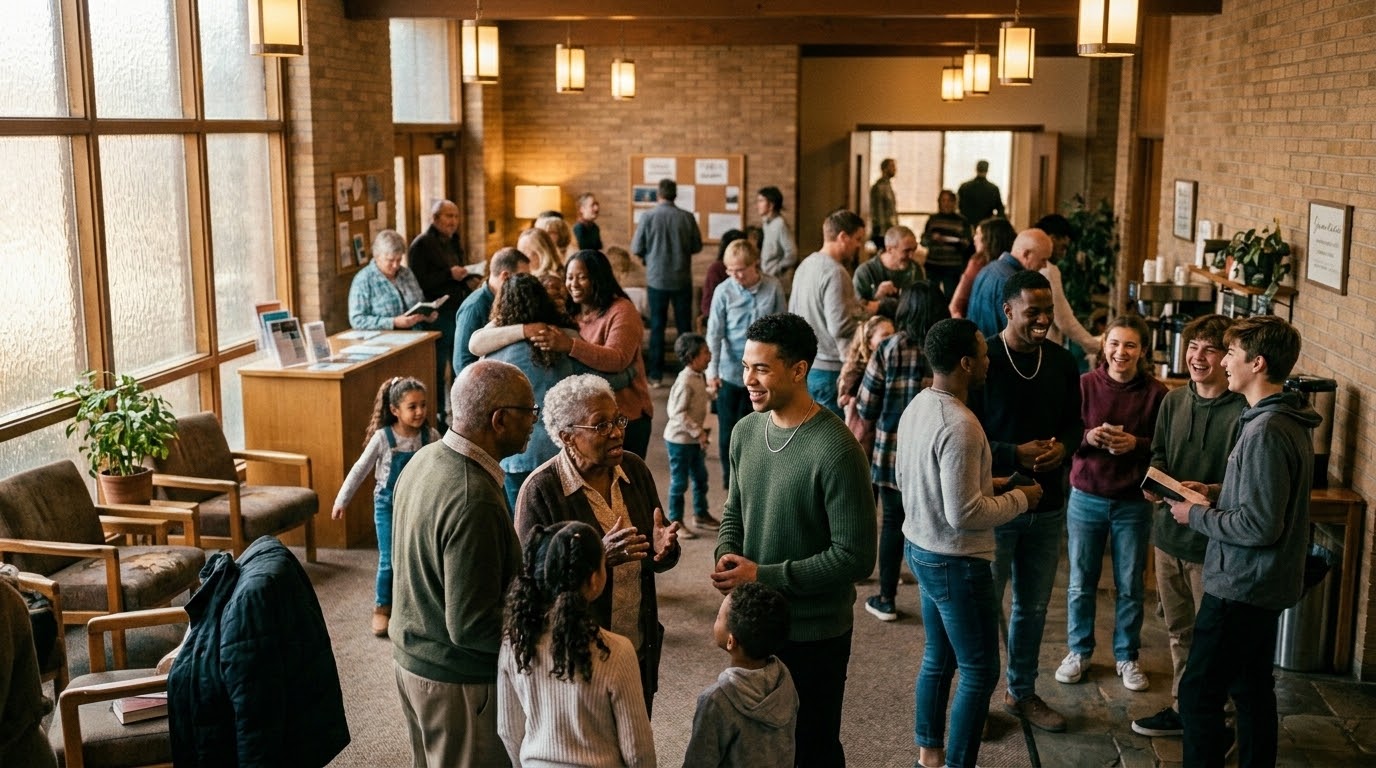
Join a Church Before It's an Emergency
On May 6, Christianity Today published a piece with a title sharp enough to stop most modern people in their tracks: “Join a Church Before It’s an Emergency.” The argument was simple and unsettling. We understand preventive care in medicine, but many of us still treat spiritual community like an ER visit — something to scramble toward only once life has already broken open. (Christianity Today)
That insight lands because it names a very modern habit.
A lot of people, especially younger adults, still approach church functionally. They may admire it. They may attend occasionally. They may even agree it is important. But they do not bind themselves to it in any serious way until some kind of crisis forces the question: grief, burnout, divorce, anxiety, addiction, loneliness, moral collapse, spiritual confusion.
And by then, they are not just looking for a church. They are looking for triage.
The problem is that church is not best understood as emergency intervention. It is better understood as formation. The deepest gifts of Christian community — being known, corrected, encouraged, shaped, forgiven, prayed for, and carried — do not appear instantly on demand. They are built over time, often long before you know how badly you will need them. (Christianity Today)
That is what makes this article feel so timely.
Modern life trains people to stay flexible, unattached, and low-commitment for as long as possible. We postpone belonging. We keep our options open. We want community without obligation, support without submission, identity without rootedness. Church can feel inconvenient in exactly the places where it is meant to heal us: regularity, responsibility, embodied presence, inconvenient mutuality.
But emergency-only Christianity rarely goes very deep.
When people approach church only in breakdown mode, they are usually too depleted to meaningfully receive everything the church is meant to be. They are asking for immediate relief from structures designed for long obedience. That does not mean churches should be less available in crisis. It means crisis is not the ideal moment to start learning what belonging is.
This has real implications for younger Christians.
A generation shaped by mobility, digital life, and institutional distrust often finds local church commitment harder than previous generations did. Many want spiritual growth, but not the weight of membership. They want encouragement, but not accountability. They want people, but often not the slow, ordinary, repetitive work required to become a people.
And yet the very things that feel difficult about church are often the things that make it powerful.
Showing up when nothing dramatic is happening. Serving when no one is impressed. Learning names. Staying when the novelty fades. Singing next to people you did not choose. Receiving correction from people who know your life. Being present enough that when suffering comes, you are not a stranger to the body that must help hold you.
That kind of formation is not glamorous. But it is deeply countercultural.
A lot of modern Christianity has unintentionally fed the idea that church is primarily content delivery: good preaching, quality music, useful programs, maybe some friendships if you click with the right people. But church is not only a provider of religious goods. It is meant to be a covenantal community in which people are slowly made into the kind of humans who can suffer, rejoice, repent, forgive, and endure together.
That is why the “before it’s an emergency” language matters.
It reframes church away from consumption and back toward commitment. It reminds people that local church life is not mainly a backup plan for hardship. It is one of the main places where God prepares people for hardship in the first place.
Modern Christianity needs to recover that before it loses something essential.
Because the cost of keeping church optional for too long is not just weak attendance. It is fragile discipleship. It is the formation of people who know how to seek spiritual help in moments of collapse but do not know how to live inside a stable spiritual community in ordinary time.
And ordinary time is where most of life happens.
Sponsored


3 Takeaways
- Church works best as formation, not merely crisis response. That is the heart of the May 6 Christianity Today argument. (Christianity Today)
- Delayed belonging makes spiritual emergencies harder, not easier. Community is strongest when it is built before it is urgently needed.
- Modern Christians need a thicker vision of church. Not as content, but as a people and place of long-term shaping.
Bottom line: Joining a church before life falls apart is not about being extra religious. It is about refusing to wait until spiritual crisis to begin building the relationships and rhythms that were meant to carry you all along. (Christianity Today)
Need a steadier next step for real life? Get your personalized daily coaching drop at ZUL Daily Verse — a Bible verse, a modern-day translation, and 3 practical actions for today.
Try ZUL Daily Verse