Justin Cary’s Death Hits Hard Because Christian Alt-Rock Was Never Just a Sound — It Was a Way of Believing Without Pretending Everything Was Fine
Christian alt-rock was never just a sound — it was a way of being alive inside belief.
RELEVANT reported on June 19, 2026 that Justin Cary, bassist for Christian alt-rock band Sixpence None the Richer, died at 50 after suffering a severe stroke and undergoing two surgeries. CCM also listed a remembrance for Cary on June 18. Those are the facts. But the reason this story resonates so deeply is not only the sadness of a death at 50. It is what Cary represented inside Christian music history. (RELEVANT)
Sixpence None the Richer belonged to a very particular moment in Christian pop culture — one where faith-adjacent music could be artistically credible, emotionally subtle, and culturally porous without having to declare itself in the loudest possible terms. That was rare. It is still rare.
A lot of Christian music traditions have depended on emphasis: bigger declarations, clearer messages, more overt markers of identity. Sixpence, by contrast, often moved through atmosphere, ache, beauty, restraint, and alternative texture. The band made room for a kind of Christian imagination that did not need to flatten itself into slogans in order to be spiritually meaningful. That is part of why its legacy still feels emotionally distinct. It offered listeners a way of carrying belief through melancholy, ambiguity, beauty, and unforced longing.
That matters here.
Because when someone like Justin Cary dies, what people mourn is not just the member of a band. They mourn the emotional world that band helped make possible. They mourn a cultural lane. A time when Christian alt-rock suggested that faith could be reflective rather than overexplained, vulnerable without becoming manipulative, aesthetically rich without sounding afraid of doubt or sadness.
That lane shaped people.
It gave listeners permission to believe without pretending they were always victorious. To feel deeply without becoming melodramatic. To hear music that sounded spiritually alive even when it did not announce itself through obvious religious packaging. For many people, that was not just a musical preference. It was a form of survival. It was one of the ways they learned that Christian art could hold complicated emotional weather.
And that is why Cary’s death lands as more than a band-news item.
It forces Christian pop culture to remember what Sixpence represented. Not simply crossover success. Not simply nostalgia. But a different aesthetic theology. A sense that beauty itself could bear witness. That spiritual life could sound like ache, understatement, and longing rather than constant triumph. In a Christian-media ecosystem that often defaults to emotional certainty, that witness was invaluable.
It still is.
This is also why the death of a musician like Cary can reopen larger cultural memory. It reminds people of the era when Christian alternative music felt like a genuinely distinct contribution rather than a side branch of safer commercial formulas. It calls back the listeners who found in that music a home for their complexity. And it reveals how much those sounds still matter precisely because they were never built only for trend. They were built for resonance.
The loss, then, is double.
There is the personal grief for Cary’s family, friends, collaborators, and longtime listeners. And there is the cultural grief that always comes when a figure connected to a formative artistic world passes away. It reminds us that the artists who helped soundtrack our spiritual and emotional lives are mortal. That the eras we thought were always accessible through memory are actually tied to fragile people whose work now asks to be held with more gratitude and seriousness than nostalgia alone can provide.
Christian pop culture should let that grief do something useful.
It should remember that some of its most important contributions have not come through louder branding or bigger scale, but through artists who knew how to create beauty sturdy enough to hold sorrow, faith, ambiguity, and tenderness in the same room. Justin Cary was part of that world. His death is painful partly because it reminds us how rare that world still is.
Social media posts
Facebook Justin Cary’s death is sad for more than one reason.
He wasn’t just part of a band. He was part of a musical world that helped many people believe without pretending everything was fine.
This article reflects on why that matters.
Read more: https://zulvirtual.com/media-center
LinkedIn Legacy in music is often deeper than chart performance. Sometimes it lies in the emotional world an artist helped make possible.
This article looks at Justin Cary’s passing and what Sixpence None the Richer represented inside Christian alt-rock and faith-shaped culture.
Read more: https://zulvirtual.com/media-center
Threads Justin Cary’s death hurts because Sixpence wasn’t just a band.
It was a way of believing without pretending everything was fine.
Read more: https://zulvirtual.com/media-center
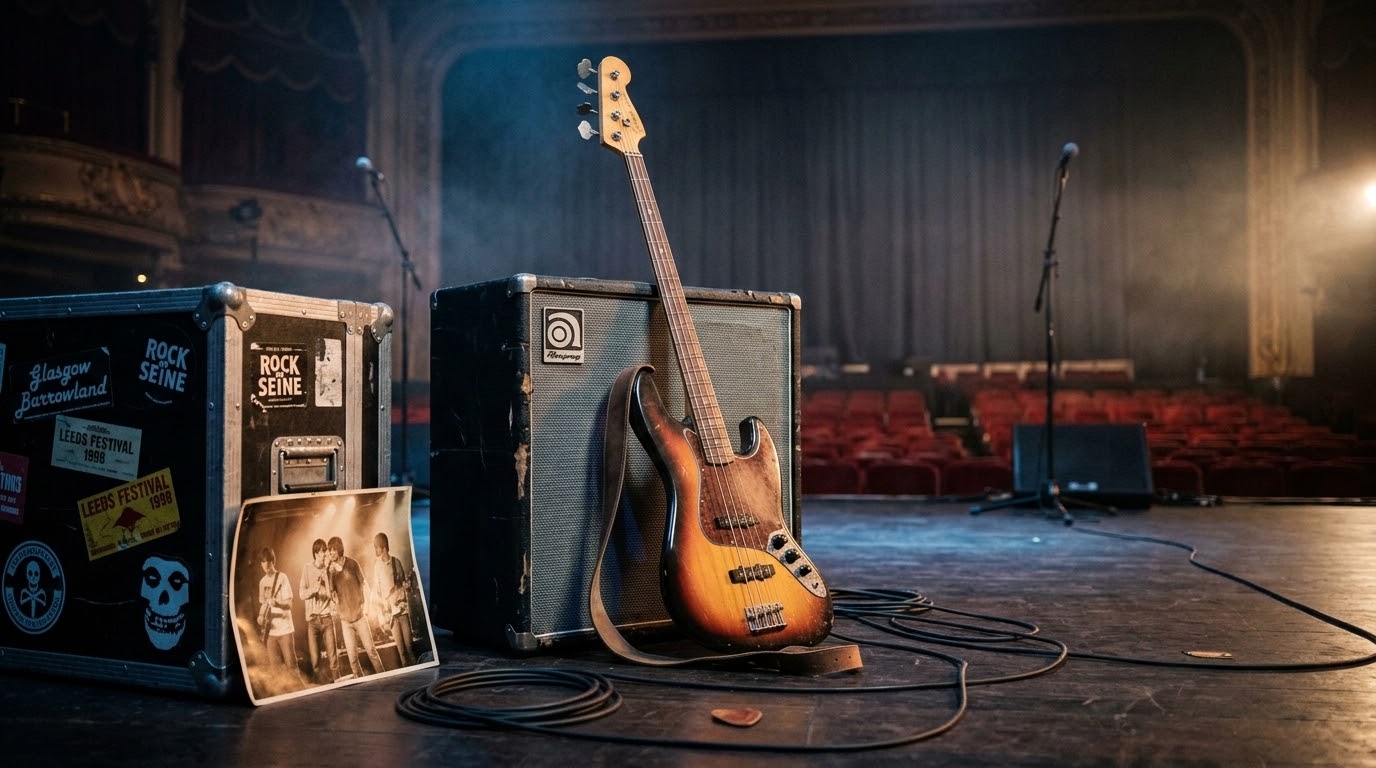
Pinterest Pin Description A respectful stage-side tribute image designed for an article on Justin Cary, Sixpence None the Richer, Christian alt-rock, and the emotional legacy of music that made room for beauty and ache.
Read more: https://zulvirtual.com/media-center
Sponsored


3 Takeaways
- RELEVANT reported on June 19 that Justin Cary, longtime bassist for Sixpence None the Richer, died at 50 after a severe stroke. CCM also listed a remembrance on June 18. (RELEVANT)
- Cary’s significance is larger than biography. He belonged to a band that helped create one of Christian music’s most emotionally and aesthetically distinctive lanes.
- Christian alt-rock mattered because it gave faith room to sound reflective, sad, beautiful, and unresolved without becoming spiritually thin. That is why a loss like this carries real cultural weight.
Bottom line: Justin Cary’s death hits hard because Christian alt-rock was never just a sound. It was a way of believing without pretending everything was fine — and Sixpence helped a generation hear that truth in music. (RELEVANT)
If you want something more grounding, start with ZUL Daily Verse — a daily drop of Scripture, a modern-day translation, and practical action for real life.
Try ZUL Daily Verse