KB Saying He Wants to Be “More Christian Than Artist” Is a Direct Challenge to the Creator Economy
The rapper’s new project argues that faith becomes distorted when every conviction, wound and identity can be converted into content.
The creator economy has a simple instinct: monetize the self.
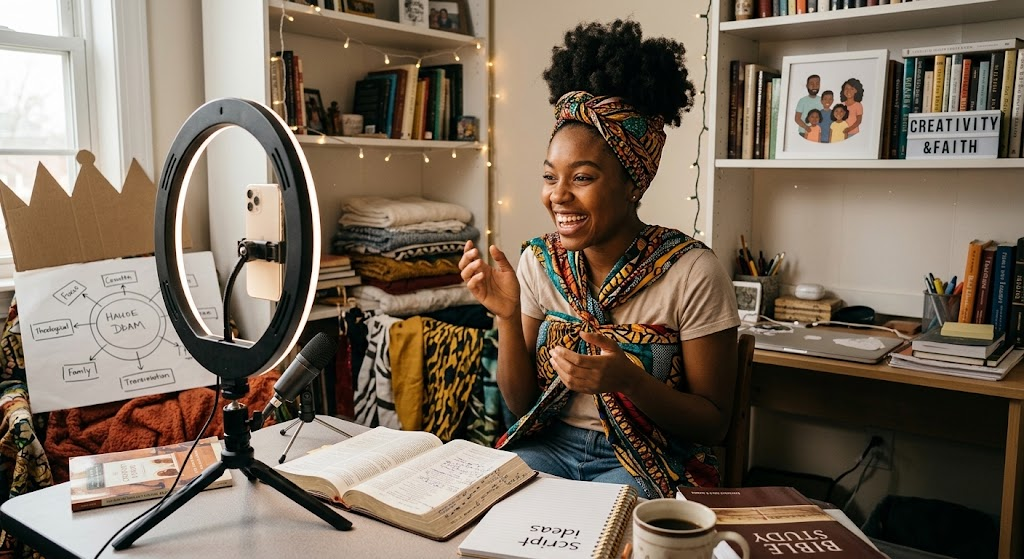
Turn expertise into a course. Turn pain into a post. Turn conviction into a clip. Turn family life into a channel. Turn a spiritual insight into engagement before the insight has even had time to change you.
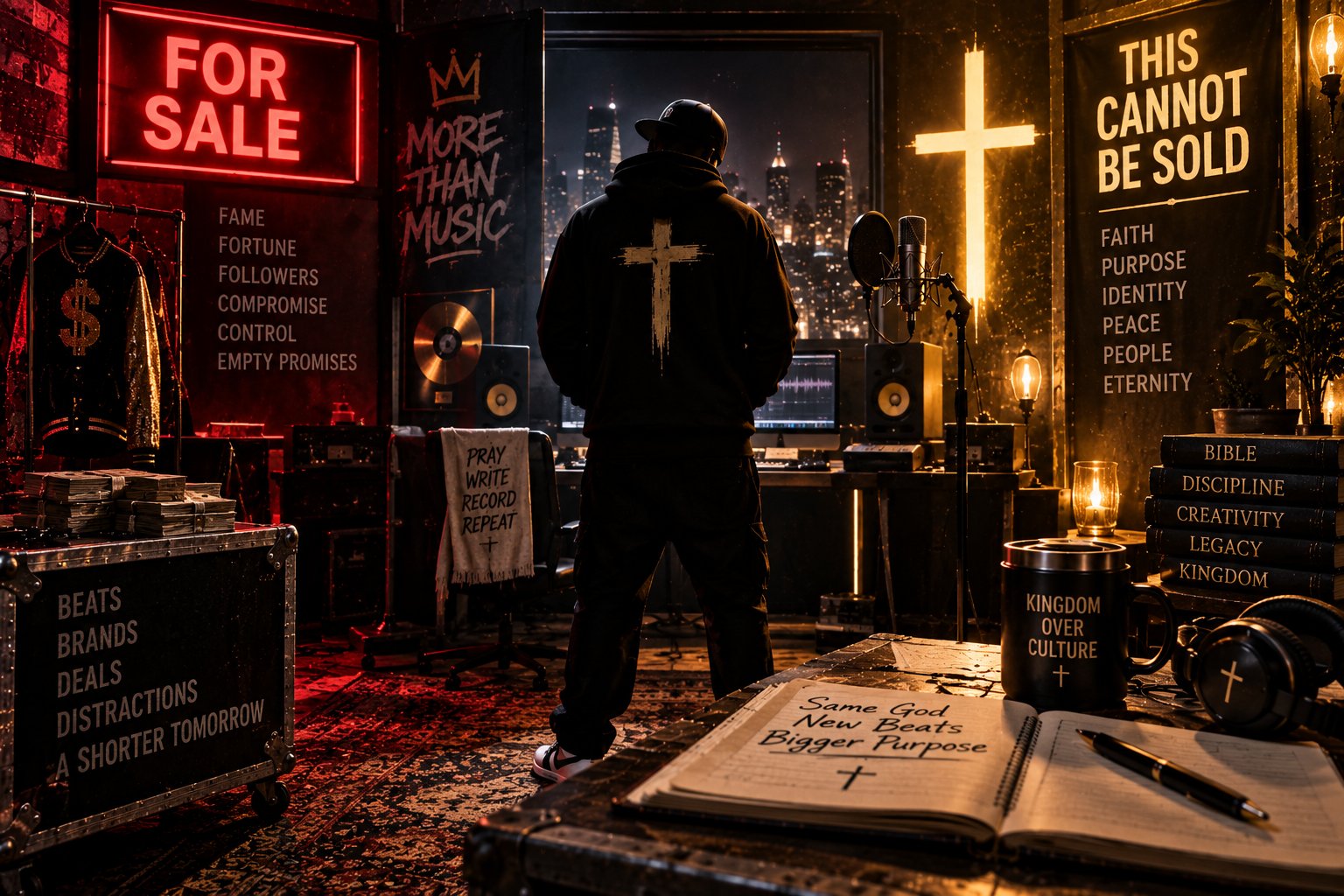
KB’s new album, “THIS CANNOT BE SOLD,” takes direct aim at that logic. In an October CCM cover conversation, the Christian rapper described wanting his Christianity to be a modifier of every other label attached to him. More Christian than artist. More faithful than marketable.
The argument is compelling precisely because KB cannot pretend to stand outside the system. He is a professional artist with an audience, a content ecosystem and a livelihood connected to attention. He is criticizing commodification while releasing a commercial record. He knows the contradiction.
That is what gives the project weight. The target is not commerce itself. It is the point at which everything meaningful becomes inventory.
KB talks about performative Christianity and tribal Christianity — the way belief can become a visible signal of belonging to an audience whose approval begins to matter more than the God the signal supposedly points toward. Social platforms intensify the problem because outrage and certainty are highly monetizable emotional states.
He also acknowledges wounds more openly than he has in the past, including childhood abuse. That choice complicates the message. Telling the truth about pain can serve others; packaging pain can also reward exposure. The line between testimony and self-commodification is not always obvious.
Perhaps that is why the album’s title works as a question rather than a slogan. What cannot be sold? Which relationships, convictions, limits and private parts of a life remain outside the market? What would an artist refuse even if the price were enormous?
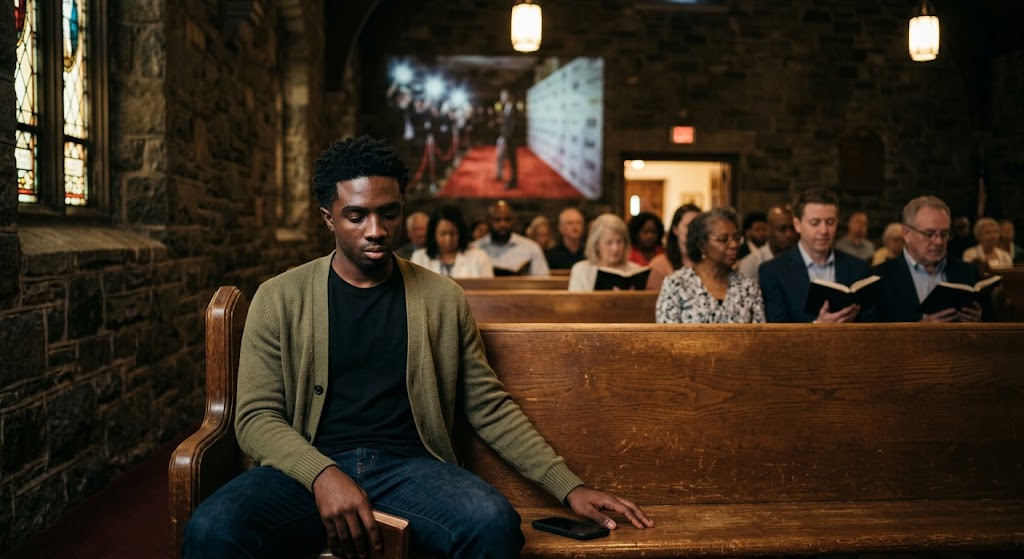
Those are Christian questions far beyond hip-hop. Churches, influencers, pastors, writers and ordinary believers live in the same economy of visibility. KB’s challenge is uncomfortable because it asks whether faith is shaping the way people use platforms or whether platforms are quietly reshaping the way people perform faith.
Sponsored
Need a steadier next step for real life? Try ZUL Daily Verse for a Bible verse, a modern-day translation, and 3 practical actions for today.
Try ZUL Daily Verse