The Museum of Christian & Gospel Music Going Digital Matters Because Christian Music Finally Seems to Understand That Memory Is Infrastructure
Christian Music Finally Seems to Understand That Memory Is Infrastructure.
Christian music is very good at releasing things.
New singles. New albums. New tours. New artists.
It has historically been less disciplined about remembering itself.
That is why the Museum of Christian & Gospel Music’s expanded digital presence is worth more attention than a normal website launch would deserve.
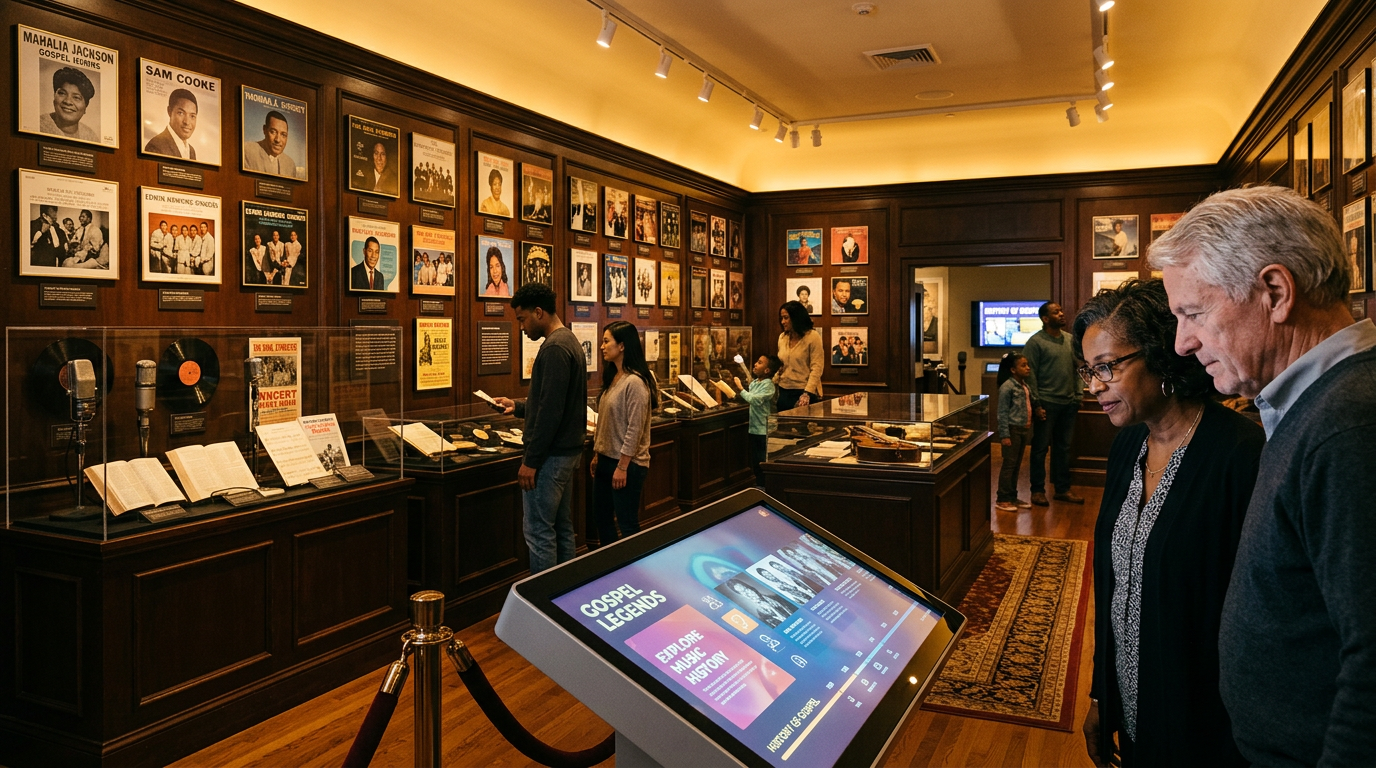
The Nashville institution is turning its online platform into an extension of the museum, allowing people to explore exhibits, events and historical resources beyond the physical building.
That matters because memory is not decorative.
Memory is infrastructure.
Genres weaken when artists stop knowing what came before them.
Christian pop in particular has often behaved as though each new generation invented the vocabulary.
It did not.
Contemporary worship owes something to gospel.
Christian rock owes something to Jesus Music.
CCM owes something to Black sacred music, Southern gospel, hymnody, folk revival and countless church musicians who never signed a record deal.
The museum’s connection to the U.S. Civil Rights Trail through its “Soundtrack to the Movement” exhibit makes that point especially important.
Christian and gospel music is not only entertainment history.
It intersects with American history.
Protest. Race. Community. Church. Justice.
That story deserves preservation because cultural memory becomes distorted when we remember only the commercial successes.
Young artists need lineage.
Without lineage, influence looks like originality.
A songwriter hears a gospel progression through six generations of imitation and assumes it simply exists.
Museums reconnect the chain.
They tell the creator:
Someone carried this before you.
That should create humility.
It may also create courage.
Christian artists sometimes feel trapped by current commercial expectations because they do not realize how broad their own tradition actually is.
Visit the history and suddenly Christian music looks much stranger, richer and more diverse than radio playlists suggest.
That knowledge can unlock creativity.
Archives are not where culture goes to die.
Done properly, they are where new culture finds raw material.
Sponsored


3 Takeaways
- The Museum of Christian & Gospel Music has expanded its digital experience with exhibits, events and historical material.
- Its Civil Rights history reminds audiences that gospel music belongs to a much larger American story.
- Preserving history can generate future creativity by giving younger artists a deeper lineage to work from.
Bottom line: The museum’s digital expansion matters because Christian music is finally treating memory as infrastructure. You cannot build a creative future very intelligently if you have forgotten who built the road behind you.
Need a steadier next step for real life? Try ZUL Daily Verse for a Bible verse, a modern-day translation, and 3 practical actions for today.
Try ZUL Daily Verse