On Pentecost, Thousands Want to Be Baptized at Once. The Real Question Is What Happens the Day After.
A synchronized global baptism could be a beautiful sign of unity. But the church must ask whether it is ready to form the people it welcomes into the water.
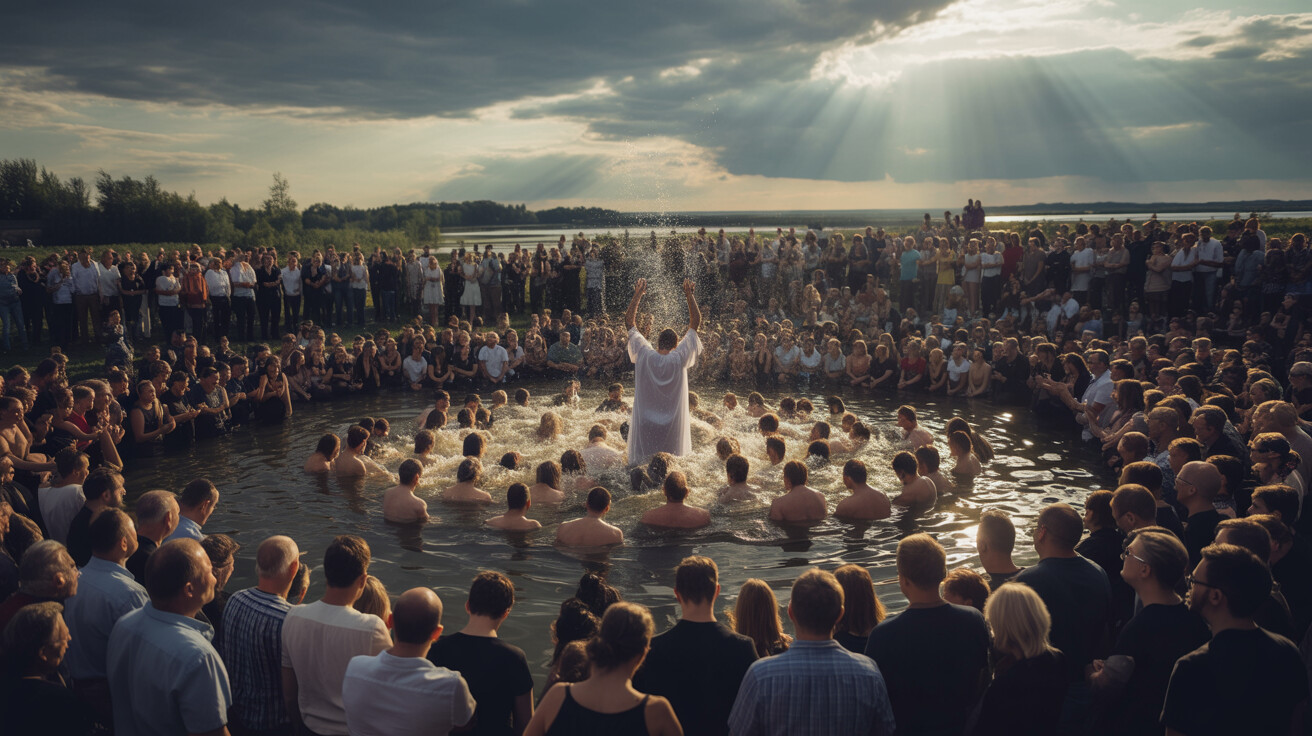
When Religion News Service reported on May 18 that churches across dozens of countries are preparing for what organizers hope will become the world’s largest synchronized baptism on Pentecost, the headline naturally invited one kind of reaction: amazement. Oceans Church pastor Mark Francey’s “Baptize the World” vision, backed by a hybrid broadcast from the Museum of the Bible, is bold, visually powerful, and unmistakably modern in scale.
And yet the most important question is not whether the event will be large.
It is whether it will be deep.
That is not cynicism. It is just a mature Christian instinct. Baptism is not a content moment, not a platform event, and not a spiritual trend graphic. It is one of the church’s clearest public signs that a person is passing through death into life, leaving an old allegiance behind, and entering the visible body of Christ. If thousands of people are baptized at once, that is not only a metric. It is a pastoral responsibility.
This is where modern Christianity often reveals its tension.
We live in a media environment that is naturally drawn to scale. Big gatherings feel significant. Viral clips feel meaningful. Numbers feel like proof. But Christianity has always had to resist the temptation to confuse visibility with maturity. The same Lord who preached to crowds also spent most of his time forming disciples in far less dramatic settings. The public moment mattered. But what followed mattered more. That is why large baptism movements should stir gratitude and seriousness at the same time.
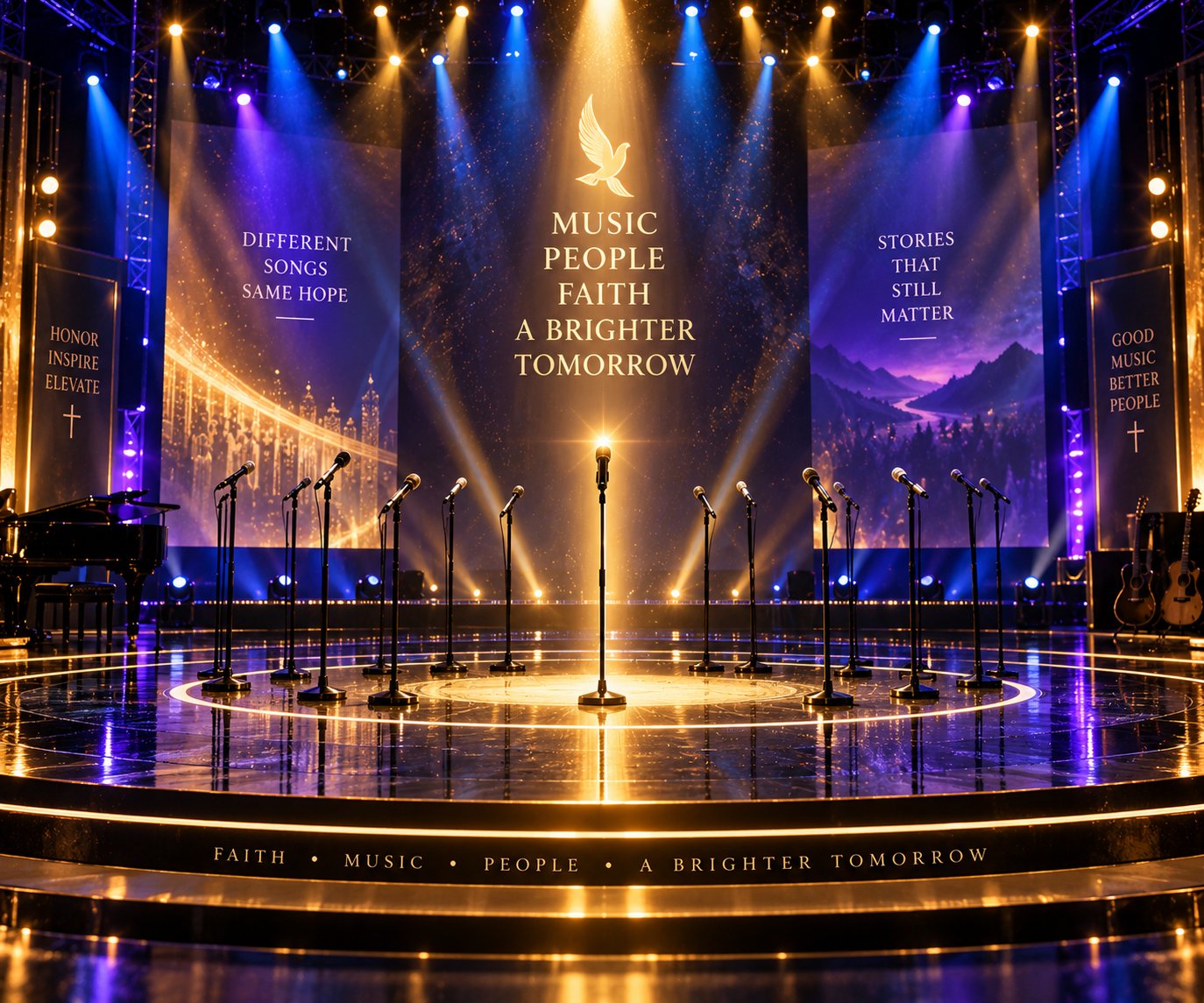
There is something beautiful, even corrective, in the image of Christians from different backgrounds gathering around one act of obedience. Francey’s comments about unity at Baptize California — that “everybody came together under the same name” — are spiritually resonant because baptism does what many institutions fail to do: it recenters the Christian life around belonging to Jesus before belonging to a tribe, style, or subculture.
But if modern Christianity is going to speak honestly, it has to say more than “look how many showed up.”
It has to ask what sort of churches people are being baptized into. What sort of discipleship follows. Whether anyone will know their names in six months. Whether they are entering a life of worship, repentance, Scripture, sacrament, and local belonging — or simply a strong emotional memory.
This is not an argument against large moments. Scripture contains them. Church history contains them. So do many real revivals. But the church should have enough confidence to say that the size of a moment does not relieve us of the harder task of patient formation. Baptism is not the end of spiritual hunger. It is the beginning of a different kind of life.
That is why the day after matters so much.
The day after baptism, people still need a church. They still need to be taught to pray. They still need Christian friendships, pastoral care, correction, meals, rhythms, and durable habits. They still need to learn what obedience looks like when no one is filming and no one is applauding.
Modern Christianity needs that reminder badly, because it often swings between two distortions: treating visible spiritual response as everything, or dismissing it because it is visible. The wiser path is to receive large public acts of faith with joy, and then immediately ask what structures of discipleship are strong enough to hold what just happened.
Because the real miracle is never only that someone enters the water.
It is that they learn to walk with Christ after they come out.
3 Takeaways
- Large public baptisms are meaningful, but they are not self-interpreting. The scale of Pentecost baptisms matters, but discipleship after the event matters more.
- Baptism is a public sign of belonging, not merely a revival metric. Modern Christianity should resist reducing it to spectacle.
- The health of the church is measured not only by response, but by what kind of life people are welcomed into afterward.
Bottom line: A synchronized global baptism on Pentecost could be a beautiful sign of Christian unity and spiritual openness. But the most important question is not how many people go into the water. It is whether the church is ready to form them when they come out.
Need a steadier next step for real life? Get your personalized daily coaching drop at ZUL Daily Verse — a Bible verse, a modern-day translation, and 3 practical actions for today.
Try ZUL Daily Verse