“From CCM Roots to a Supernatural Trilogy” Shows Christian Creativity Is Getting More Comfortable With Genre — and Less Afraid of Imagination
Christian creativity is getting more comfortable with genre — and less afraid of imagination.
CCM Magazine’s June 4 piece, “From CCM Roots to a Supernatural Trilogy,” points to a lane Christian pop culture has often struggled to inhabit confidently: genre storytelling. The headline alone is telling. “CCM roots” signals recognizable faith-community origin. “Supernatural trilogy” signals imaginative expansion beyond the usual boundaries of explicitly Christian content. That movement matters because it suggests Christian creators are increasingly less interested in staying trapped inside the safe realism and moral clarity that have defined so much of religious media. (ccmmagazine.com)
That is a good thing.
For years, Christian entertainment has often been strongest in message and weakest in imagination. It has known what it wants to say, but not always how to build a world people actually want to enter. Stories got flattened into lessons. Characters became delivery systems. Risk got shaved off. Ambiguity got treated like danger. The result was content that sometimes comforted existing believers but rarely convinced broader audiences that Christian creators could do more than moralize.
Genre changes that.
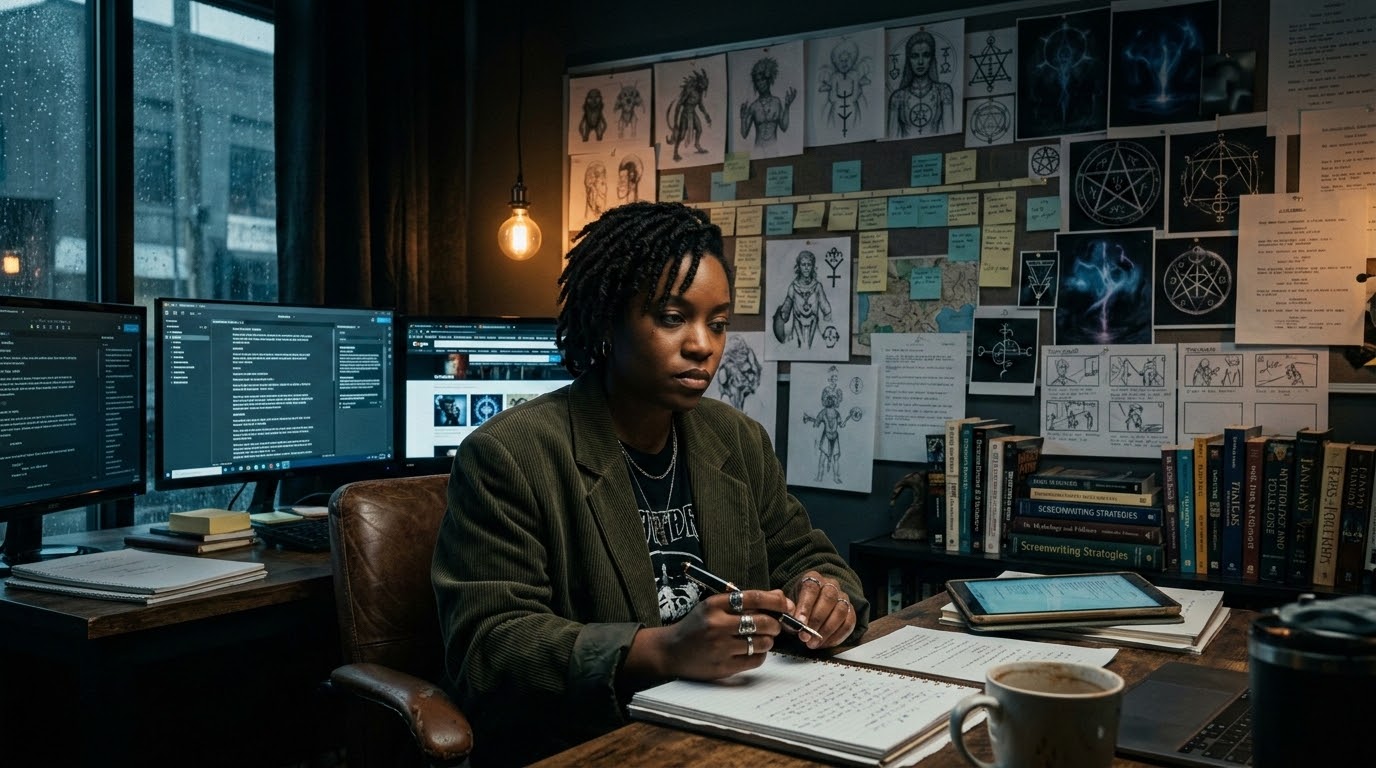
Supernatural storytelling, done well, forces creators to work with symbol, fear, mystery, evil, sacrifice, transcendence, hidden order, and the unseen. In other words, it forces them back toward some of the very materials Christianity itself has always taken seriously. Scripture is full of angels, demons, visions, wilderness testing, cosmic war, signs, dreams, resurrection, and the collapse of ordinary boundaries between visible and invisible reality. Christianity is not a thinly realistic religion. It is a metaphysically loaded one.
That is why Christian creatives should not be embarrassed by genre. They should be good at it.
The June 4 CCM story matters because it hints that some are finally acting like that is true. Moving from CCM roots into a supernatural trilogy is not just a career pivot. It is a signal that Christian creativity may be maturing past the fear that imagination will somehow dilute faith. In reality, imagination may be one of the strongest vehicles faith has left — especially in a culture saturated with fantasy, horror, sci-fi, speculative fiction, and symbolic storytelling.
Younger audiences already live comfortably inside genre worlds. They understand lore, symbolism, multiverse logic, mythic arcs, dark aesthetics, hidden forces, and narrative ambiguity. They are not waiting for Christian creators to “catch up” morally. They are wondering whether Christian creators can make worlds compelling enough to inhabit artistically.
That is a different challenge.
And it is why this story is more important than it first appears. It suggests that Christian pop culture may be entering a phase where the question is no longer just “Can faith-based content exist?” but “Can faith-shaped artists build rich imaginative worlds without apologizing for their roots or flattening their vision into a sermon?”
That is the higher calling.
Because genre, when handled seriously, is not escape from reality. It is a way of intensifying reality. It lets artists talk about sin, fear, temptation, redemption, and the unseen architecture of the world at a scale ordinary realism often cannot carry. And if Christian creators have something distinctive to say about those things, then they should not be hiding in the narrowest possible storytelling forms. They should be building better worlds.
Worlds with tension. Worlds with atmosphere. Worlds with mystery. Worlds where faith is not reduced to dialogue, but embedded into the moral gravity of the story itself.
That is what makes a “supernatural trilogy” more than a cool headline.
It is a sign that Christian pop culture may finally be getting more comfortable with imagination — and less afraid that beauty, danger, genre, and theological depth can belong in the same room.
Sponsored


3 Takeaways
- CCM’s June 4 story matters because it signals movement from explicitly Christian-music roots into larger imaginative storytelling. That is culturally significant for Christian creatives. (ccmmagazine.com)
- Genre storytelling is a natural fit for Christian imagination, not a threat to it. Christianity already works with the unseen, symbolic, supernatural, and cosmic.
- The deeper opportunity is artistic maturity. Christian creators need to build richer worlds, not just clearer messages.
Bottom line: “From CCM Roots to a Supernatural Trilogy” matters because it suggests Christian creativity is growing less afraid of imagination. And that may be one of the healthiest signs in Christian pop culture right now — not just more content, but better worlds. (ccmmagazine.com)
If you want something more durable than whatever story the culture is selling this week, start with ZUL Daily Verse — a daily drop of Scripture, a modern-day translation, and practical action for real life.
Try ZUL Daily Verse