A LoveSong Documentary on Prime Video Matters Because Christian Music Nostalgia Is Strongest When It Becomes Memory With Purpose
Christian music nostalgia is strongest when it becomes memory with purpose.
Nostalgia is one of the easiest currencies in Christian pop culture.
Bring back an old band. Re-release a familiar song. Cut together archival clips. Remind people where they were when they first heard the music. And instantly, the audience feels something. The emotional return is almost guaranteed.
But nostalgia alone is not enough.
If Christian music is going to keep revisiting its past, it has to do more than warm people up. It has to help them understand why the past mattered in the first place — and what, if anything, from that earlier moment is still worth carrying forward.
That is why a LoveSong documentary arriving on Prime Video is culturally more interesting than it might seem.
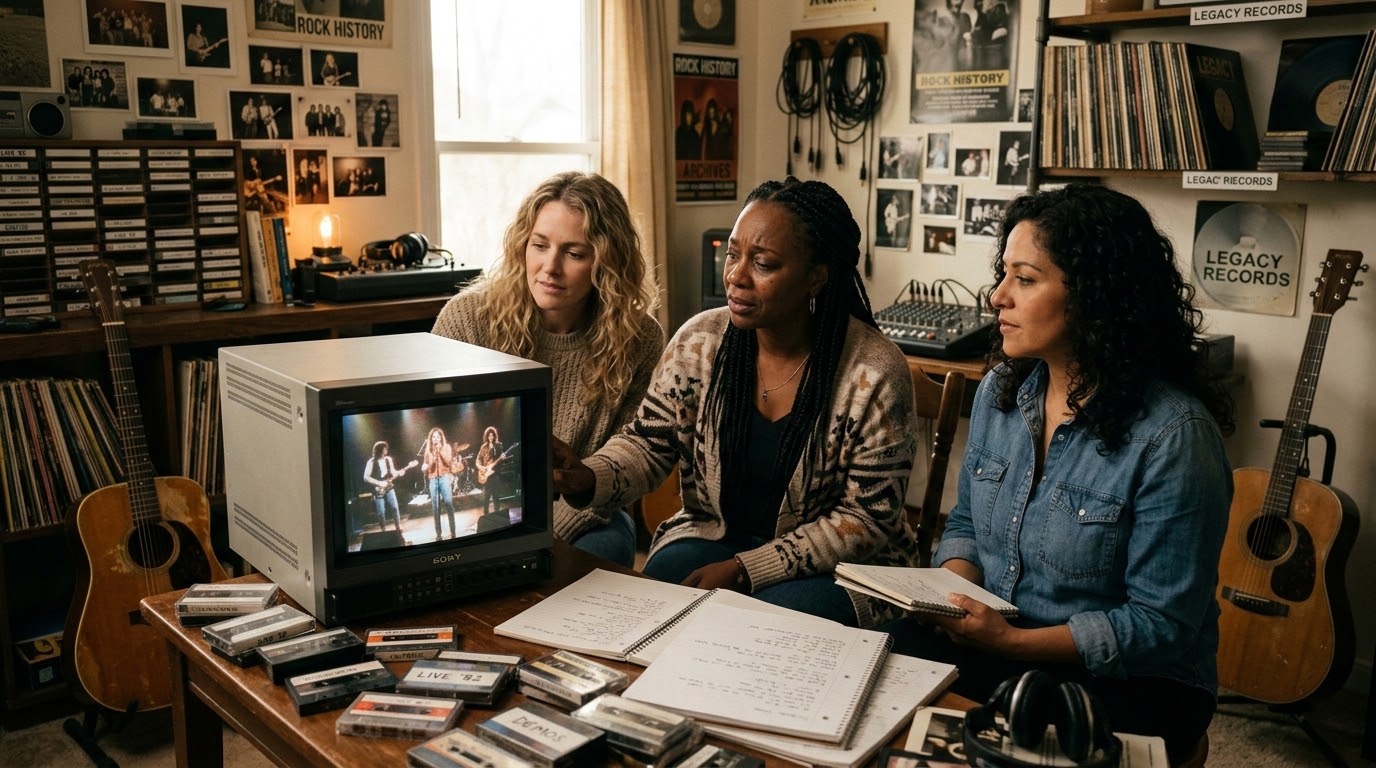
CCM’s June 18 item is not just another “remember this group?” headline. The platform itself matters. Prime Video moves the project out of a narrow church-memory lane and into a larger entertainment environment. That changes the meaning of the documentary. It is no longer only an internal keepsake for longtime Christian music fans. It becomes part of the wider streaming world, where legacy has to compete with everything else viewers could watch. That raises the bar in a good way.
Because once a story enters that space, it has to become more than sentiment.
It has to become narrative. Meaning. Interpretation. Memory with shape.
And that is where Christian music documentaries can do real work if they are willing to.
LoveSong represents more than songs. It represents an era of Christian music in which tenderness, harmony, and emotional accessibility helped shape the imagination of listeners who were learning how faith could sound in everyday life. For many people, groups like that were not just artists. They were part of the emotional architecture of belief. They carried devotion into kitchens, car rides, youth rooms, family routines, long drives, and small private moments where faith was less theatrical and more ordinary.
That kind of legacy matters.
But documentaries about Christian music only become compelling when they resist the temptation to turn legacy into untouchable myth. The point should not be “weren’t these people wonderful?” The point should be: what did this music actually do in people’s lives? What cultural need did it meet? What kind of faith did it make imaginable? What did it get right? What has changed since then? And what still feels spiritually durable now?
Those are much better questions.
Because Christian pop culture has often struggled to remember itself honestly. It either forgets too quickly or romanticizes too easily. A documentary format can help correct that if it treats the past not just as an object of affection, but as a story that still has interpretive force.
That is what Prime Video can potentially do here. It can widen the audience. But more importantly, it can widen the frame.
It can turn a legacy act into a cultural question: Why did this music matter? Why does it still matter to some people? And what does its survival say about the kinds of beauty, softness, longing, and devotion people are still searching for now?
Those are not minor questions.
Because not all nostalgia is escapism. Sometimes nostalgia is retrieval — retrieving what was good, formative, and spiritually useful from a prior era, then asking whether it still has enough truth to live again in a different cultural moment. A documentary can do that in a way reunion concerts and playlist retrospectives often cannot. It can give memory a body. A story. A reason.
That is why this matters more than just fans of older Christian music.
Christian pop culture needs ways of honoring its past without being trapped by it. A well-made documentary can help do exactly that. It can move legacy out of the museum and back into conversation. And once legacy becomes conversation again, it becomes capable of shaping the future rather than just decorating it.
That is memory with purpose.
Sponsored


3 Takeaways
- CCM’s June 18 story about a LoveSong documentary arriving on Prime Video matters because streaming placement moves the story beyond a niche nostalgia audience and into a broader cultural frame.
- Christian music nostalgia is healthiest when it becomes interpretation, not just sentiment. A documentary can ask why the legacy mattered, not merely replay the feeling of it.
- Christian pop culture needs better ways to remember itself. Not through mythmaking alone, but through honest retrieval of what still has spiritual and artistic weight.
Bottom line: A LoveSong documentary on Prime Video matters because Christian music nostalgia is strongest when it becomes memory with purpose — not just remembering what moved us, but understanding why it mattered and whether it still has something to say now.
If you want something more grounding than just another memory hit, start with ZUL Daily Verse — a daily drop of Scripture, a modern-day translation, and practical action for real life.
Try ZUL Daily Verse