Prime Video Calling The Chosen “Psychological Science Fiction” Matters Because Christian Pop Culture Still Doesn’t Know Whether It Wants Translation or Control
Christian pop culture is still learning how to handle it when secular platforms reframe sacred stories.
RELEVANT’s June 12 article, “Prime Video Listed ‘The Chosen’ as Psychological Science Fiction, and Christians Are Ticked,” looks at first like one of those internet-age classification mishaps that should not matter much. A platform tags a series oddly, Christians get annoyed, jokes get made, screenshots circulate, and everyone moves on. But the reason this story actually matters is that it reveals something more important than bad metadata: Christian pop culture is still deeply conflicted about what it wants from mainstream platforms. (RELEVANT)
It wants visibility. It wants wider reach. It wants mainstream legitimacy. But it also wants control over how the work is named once it leaves the building.
That is the tension.
And in the streaming era, that tension is only getting sharper. The moment a piece of Christian media enters a mass-distribution ecosystem, it stops belonging only to the culture that made it. Platforms categorize content according to their own taxonomies, their own recommendation logic, their own genre structures, and their own assumptions about audience behavior. That does not mean they understand the work well. In fact, sometimes they clearly do not. But it does mean that Christian creators are no longer only dealing with criticism or acceptance. They are dealing with translation. And translation always introduces distortion.
That is what this The Chosen moment really puts on display.
Prime Video did not call the series heresy. It labeled it in a way that sounded bizarre and perhaps faintly absurd: “psychological science fiction.” RELEVANT’s article highlights the resulting frustration because Christians clearly felt the label misunderstood both the show and the religious seriousness attached to it. (RELEVANT) But that frustration points to a larger reality: once a Christian story enters the mainstream machine, it will almost certainly be processed through categories that do not fully honor its own self-understanding.
The question is what Christian pop culture should do with that fact.
One option is outrage. Another is resignation. A better option is literacy.
Christian creators and audiences alike need to understand that distribution platforms are not neutral carriers of content. They are interpretive systems. They tell viewers what something is by the way they sort it, recommend it, thumbnail it, and position it. That matters because categories shape expectation. If a person encounters The Chosen as “psychological science fiction,” they are primed to receive it through a framework that may feel comic, surreal, or conceptually off-center before the first scene even begins.
That is not trivial.
It means Christian pop culture now has to think not only about making work, but about how work is metabolized by secular infrastructure once it is released. In other words, if Christians want mainstream scale, they need to accept that scale comes with reframing. The old dream of “getting the story out there” is no longer simple. Stories arrive inside systems that continuously rename them.
And that may be what Christians are actually reacting to here.
Not just a weird category tag, but the loss of narrative control.
Because The Chosen has become one of the most visible Christian entertainment properties in the world. It is not merely a devotional show. It is a flagship case study in what happens when faith-based storytelling reaches large, mixed, global audiences. That makes its presentation intensely symbolic. If one of the movement’s biggest successes can still be misnamed by the system distributing it, then Christian pop culture is being reminded of a hard truth: mainstream inclusion does not guarantee interpretive respect.
But perhaps that reminder is healthy.
Because too much Christian media still imagines mainstream success as if it were a simple matter of wider exposure. It is not. It is an encounter with different cultural grammars. The point is not to avoid that encounter. It is to be smart enough to anticipate it. To build stories robust enough to survive being misunderstood in public without collapsing into panic every time the surrounding system speaks a different language.
That is where maturity begins.
If Christian pop culture wants both translation and fidelity, it will have to become more practiced at living with imperfect public reception. It will have to accept that platforms will sometimes flatten what they host, categories will distort what they touch, and the larger culture may receive spiritual material in forms that feel half-right at best. That is frustrating. It is also normal. The answer is not endless indignation. The answer is stronger storytelling, better public framing, and enough confidence in the substance of the work not to let one strange label define the whole meaning of it.
Social media posts
Facebook Prime Video calling The Chosen “psychological science fiction” is funny on the surface — but the deeper issue is serious.
This article explores why Christian media still struggles with the difference between visibility and control once it enters mainstream platforms.
Read more: https://zulvirtual.com/media-center
LinkedIn One of the overlooked issues in modern media is that platforms do not merely distribute content — they classify and interpret it.
This article uses the The Chosen / Prime Video label controversy to explore what happens when Christian content enters mainstream systems that do not share its internal categories.
Read more: https://zulvirtual.com/media-center
Threads The problem isn’t just that Prime Video mislabeled The Chosen.
It’s that Christian media still wants translation without losing control.
Read more: https://zulvirtual.com/media-center
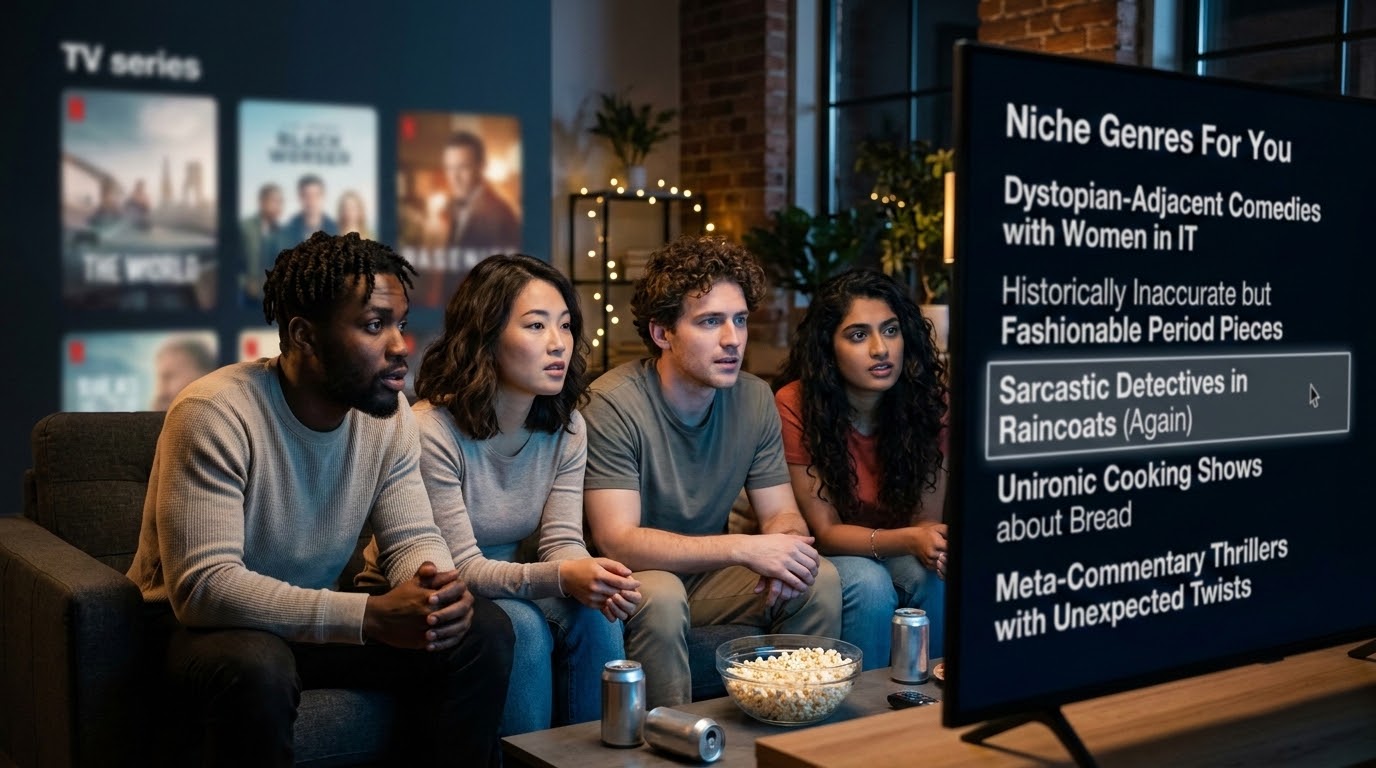
Pinterest Pin Description A sleek streaming-living-room image designed for an article on The Chosen, Prime Video, platform culture, and the tension between mainstream visibility and interpretive control.
Read more: https://zulvirtual.com/media-center
Sponsored

3 Takeaways
- RELEVANT’s June 12 article documents that Prime Video labeled The Chosen as “psychological science fiction,” provoking visible frustration from Christian audiences. (RELEVANT)
- The deeper issue is not just a bad tag. It is the reality that mainstream platforms interpret Christian content through their own systems of classification, often imperfectly.
- Christian pop culture must learn the difference between visibility and control. Once a story enters a mass-distribution platform, it is no longer named only by the community that created it.
Bottom line: Prime Video calling The Chosen “psychological science fiction” matters because it exposes one of the central tensions of modern Christian media: it wants translation into the mainstream, but it still struggles with the fact that translation almost always comes with loss of control. (RELEVANT)
If you want something more grounding, start with ZUL Daily Verse — a daily drop of Scripture, a modern-day translation, and practical action for real life.
Try ZUL Daily Verse